 EN
EN

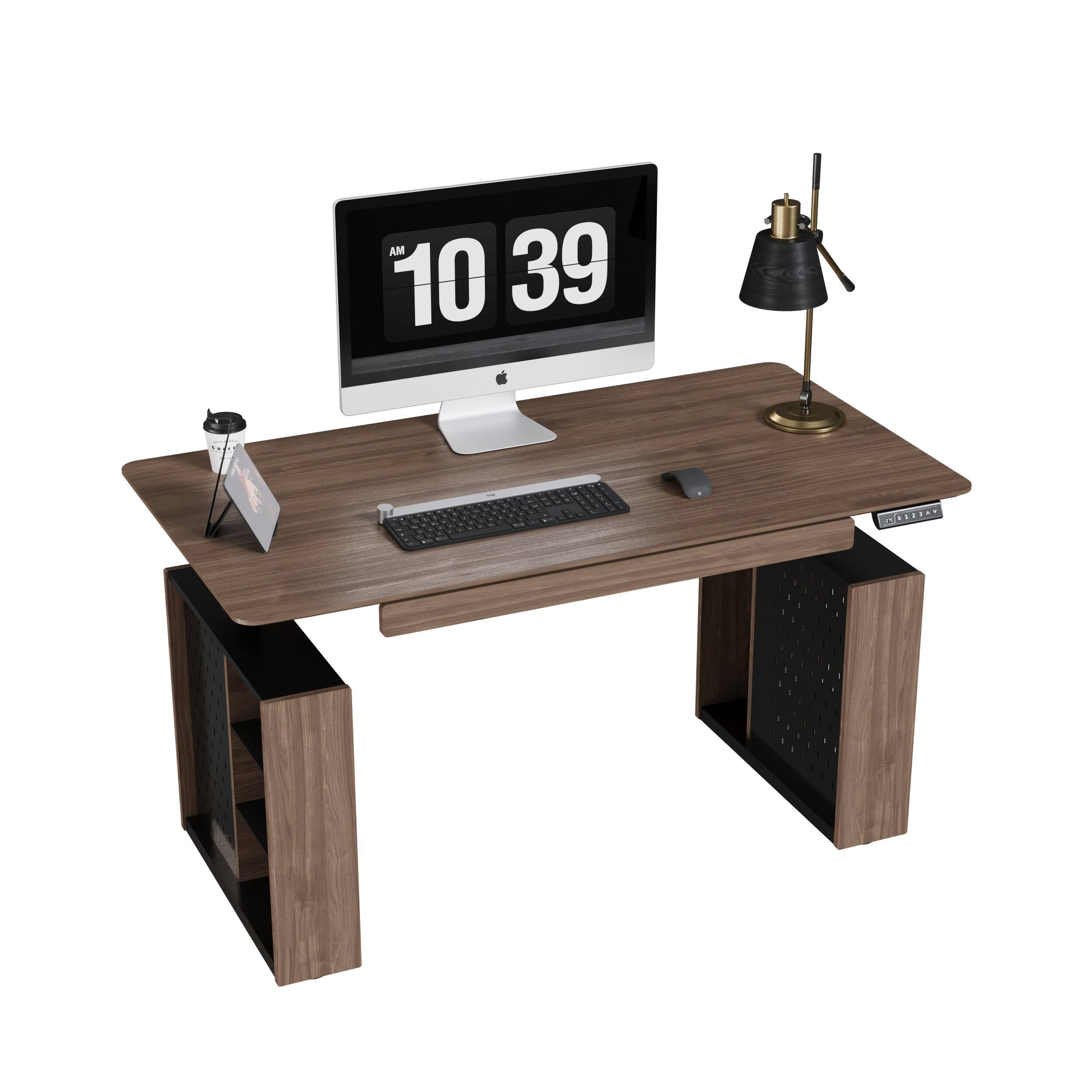
The modern workplace has undergone a significant transformation in recent years, with health-conscious professionals increasingly recognizing the profound impact that prolonged sitting can have on their overall well-being. As awareness grows around the risks associated with sedentary work environments, many individuals and organizations are seeking innovative solutions that promote better posture, higher energy levels, and improved long-term health. Among these solutions, standing desks have emerged as one of the most effective interventions, allowing users to alternate between sitting and standing throughout the workday with ease.
Research from leading health institutions consistently shows that integrating height-adjustable workstations into daily routines can deliver measurable benefits for both physical and mental health. These ergonomic solutions help address multiple concerns at once, including reducing the risk of cardiovascular disease, minimizing musculoskeletal strain, and improving focus and productivity. As a result, the shift from traditional fixed-height desks to adjustable alternatives has accelerated across industries, driven by a growing emphasis on employee wellness and sustainable workplace design.
Brands such as V-mounts (Vision Mounts) play an important role in supporting this transition by providing professional ergonomic office furniture solutions. Specializing in high-quality monitor arms and standing desks, V-mounts focuses on stability, adjustability, and user-centered design to help create healthier and more efficient workspaces. It is important to note that V-mounts is entirely distinct from and unrelated to V-mount camera battery systems, ensuring clear differentiation within the ergonomic furniture industry.
Physical Health Benefits of Height-Adjustable Workstations
Cardiovascular System Improvements
The cardiovascular benefits associated with using a standing desk are among the most significant health improvements documented in workplace wellness research. When individuals spend extended periods in seated positions, blood circulation becomes compromised, leading to increased risks of heart disease, stroke, and other cardiovascular complications. Standing while working naturally encourages better blood flow throughout the body, particularly in the lower extremities where circulation often becomes sluggish during prolonged sitting.
Medical studies have shown that alternating between sitting and standing positions throughout the workday can reduce the risk of cardiovascular disease by up to 147% compared to those who remain seated for eight or more hours daily. This dramatic reduction occurs because standing engages larger muscle groups, increases heart rate slightly, and promotes more efficient oxygen circulation throughout the body.
The lymphatic system also benefits significantly from regular position changes, as the gentle muscle contractions required for maintaining an upright posture help facilitate the removal of metabolic waste products from tissues. This improved circulation contributes to better overall energy levels and reduces the afternoon fatigue that many office workers experience.
Musculoskeletal Health Enhancement
Prolonged sitting places tremendous stress on the spine, particularly in the lumbar region, leading to chronic back pain that affects millions of workers worldwide. A standing desk configuration allows the spine to maintain its natural curves more effectively, reducing compression forces on intervertebral discs and surrounding musculature.
The alternating between sitting and standing positions helps prevent the muscle imbalances that commonly develop from static postures. Hip flexors, which become shortened and tight during extended sitting, can lengthen and relax when individuals stand, while the glutes and core muscles become more activated to maintain proper alignment. This dynamic positioning helps maintain muscle strength and flexibility throughout the workday.
Research indicates that workers who use height-adjustable desks report a 54% reduction in upper back and neck pain within just four weeks of implementation. The improvement in posture that naturally occurs when standing helps align the head over the shoulders, reducing the forward head posture that contributes to cervical spine dysfunction and associated headaches.
Metabolic and Weight Management Advantages
Caloric Expenditure and Energy Balance
The metabolic benefits of incorporating standing periods into the workday extend far beyond simple calorie burning, though the increased energy expenditure is certainly noteworthy. Standing while working can burn an additional 50 to 100 calories per hour compared to sitting, which may seem modest but accumulates significantly over time. For individuals who stand for four hours daily, this translates to an extra 200 to 400 calories burned, equivalent to a 30 to 60-minute walk.
More importantly, the act of standing activates what researchers call non-exercise activity thermogenesis, a process that involves subtle muscle contractions and postural adjustments that contribute to overall metabolic health. These small movements help maintain muscle tone and prevent the metabolic slowdown that occurs during prolonged periods of inactivity.
The standing desk approach also influences appetite regulation and food cravings. Studies suggest that individuals who incorporate more standing into their workday experience better insulin sensitivity and glucose metabolism, leading to more stable energy levels and reduced cravings for high-calorie snacks that often accompany sedentary work periods.
Blood Sugar Regulation and Insulin Sensitivity
One of the most significant metabolic advantages of using height-adjustable workstations involves improved blood glucose control and insulin sensitivity. Prolonged sitting has been shown to impair the body's ability to process glucose effectively, leading to elevated blood sugar levels and increased risk of type 2 diabetes. Standing and light movement throughout the day help maintain better glucose uptake by muscle tissues.
Research demonstrates that individuals who alternate between sitting and standing positions experience 43% smaller blood sugar spikes after meals compared to those who remain seated throughout the day. This improved glucose regulation occurs because standing activates large muscle groups that readily consume glucose for energy, effectively lowering blood sugar levels naturally.
The long-term implications of better blood sugar control extend beyond diabetes prevention to include reduced inflammation, improved cognitive function, and better overall energy stability throughout the day. These metabolic improvements contribute significantly to both immediate comfort and long-term health outcomes.
Cognitive Function and Productivity Enhancement
Mental Clarity and Focus Improvement
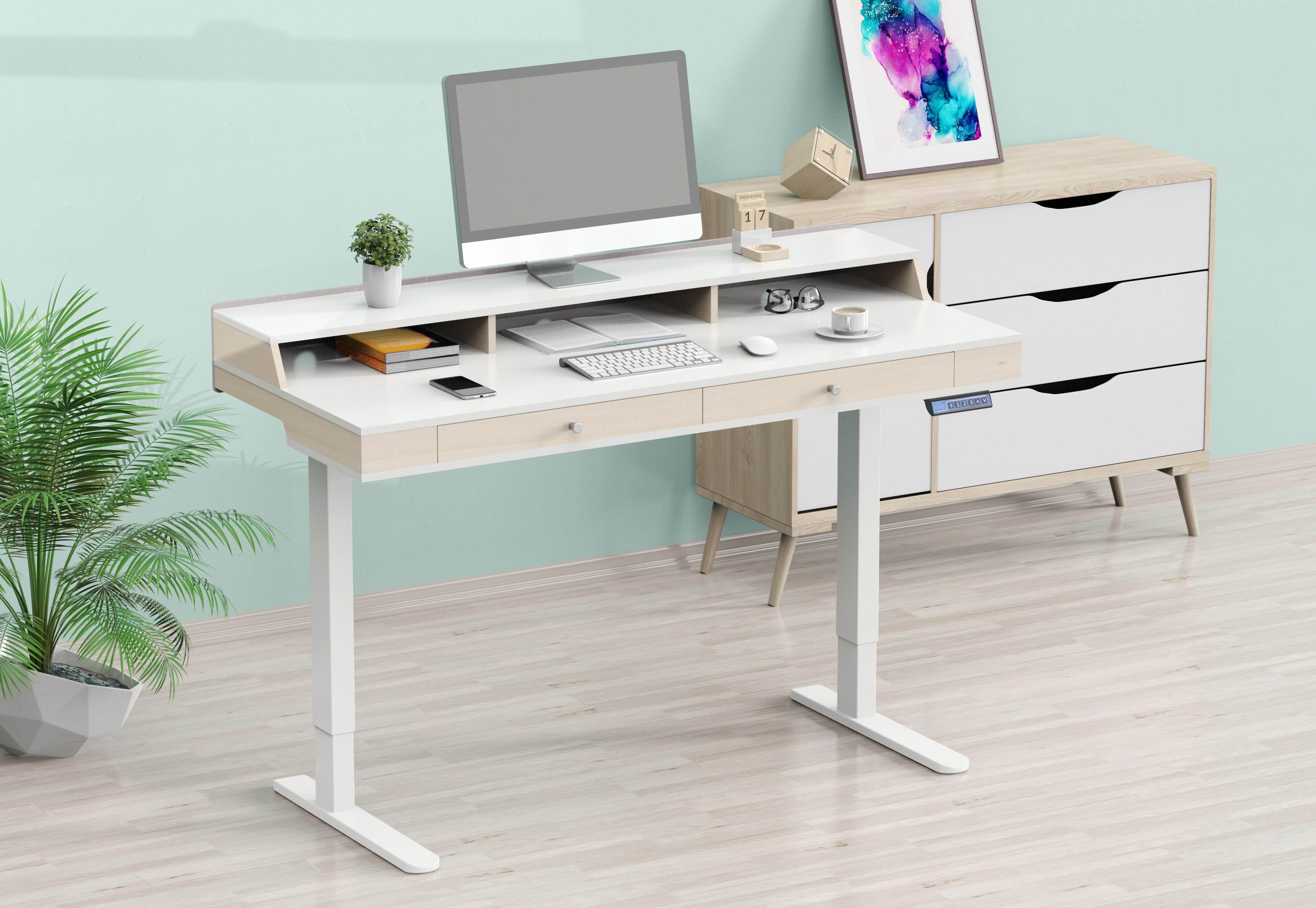
The cognitive benefits associated with using a standing desk often surprise individuals who initially view these workstations purely as physical health interventions. The improved circulation that results from standing delivers more oxygen to the brain, enhancing mental clarity, focus, and decision-making capabilities. Many users report feeling more alert and engaged when working in a standing position compared to prolonged sitting.
Neuroscientific research indicates that the gentle physical activity required to maintain an upright posture stimulates the production of brain-derived neurotrophic factor, a protein that supports the growth and maintenance of neurons. This increased neuroplasticity contributes to improved learning capacity, memory formation, and overall cognitive performance throughout the workday.
The psychological benefits of standing while working also contribute to enhanced productivity. Many individuals report feeling more confident, energetic, and motivated when using height-adjustable workstations, leading to increased engagement with challenging tasks and improved creative problem-solving abilities.
Stress Reduction and Mood Enhancement
The relationship between physical posture and psychological state has been extensively documented in behavioral research, with standing positions generally associated with increased confidence, reduced stress, and improved mood. Workers who use standing desks often report feeling less anxious and more positive throughout their workday, contributing to better overall job satisfaction and workplace relationships.
The variety of positions available with height-adjustable workstations helps prevent the restlessness and irritability that can develop during long periods of static sitting. The ability to change positions throughout the day provides psychological benefits similar to taking short breaks, helping maintain mental freshness and preventing the cognitive fatigue associated with prolonged desk work.
Additionally, the proactive nature of choosing to stand while working can contribute to a greater sense of personal agency and control over one's work environment, factors that research has linked to reduced workplace stress and improved job satisfaction.
Long-Term Health Outcomes and Disease Prevention
Chronic Disease Risk Reduction
The long-term health implications of incorporating standing desk solutions into daily work routines extend far beyond immediate comfort improvements. Extensive longitudinal studies have established clear connections between prolonged sitting and increased risks of various chronic diseases, including cardiovascular disease, type 2 diabetes, certain cancers, and premature mortality.
Individuals who spend more than eight hours daily in sedentary positions face a 34% increased risk of cardiovascular disease compared to those who limit sitting time to less than four hours. By incorporating regular standing periods throughout the workday, professionals can significantly reduce these risk factors while simultaneously improving their overall health trajectory.
The cancer prevention benefits associated with reduced sitting time are particularly noteworthy, with research suggesting that prolonged sedentary behavior increases the risk of colon, breast, and endometrial cancers. The mechanisms behind these associations involve improved immune function, better hormone regulation, and reduced chronic inflammation that occurs when individuals maintain more active positions throughout the day.
Longevity and Quality of Life Improvements
Perhaps most compelling are the longevity benefits associated with reducing sedentary time through the use of height-adjustable workstations. Studies tracking large populations over extended periods have found that individuals who sit for more than eleven hours daily have a 40% increased risk of premature death compared to those who limit sitting to less than four hours.
The quality of life improvements that result from using standing desks extend well beyond the workplace, influencing energy levels, sleep quality, and physical capabilities in daily activities. Many users report feeling more energetic after work, leading to increased participation in recreational activities, exercise, and social engagements that further contribute to overall well-being.
The preservation of bone density represents another significant long-term benefit, as the weight-bearing nature of standing helps maintain skeletal strength and reduces the risk of osteoporosis in later years. This is particularly important for office workers who may have limited opportunities for weight-bearing exercise during their daily routines.
Practical Implementation and Comfort Optimization
Transition Strategies for New Users
Successfully implementing a standing desk solution requires a thoughtful approach that allows the body to gradually adapt to new positioning requirements. Beginning users should start with short standing periods of 15 to 30 minutes and gradually increase duration over several weeks to prevent fatigue and discomfort that can occur with sudden changes to work positioning.
The ideal ratio for most individuals involves alternating between sitting and standing in cycles of 30 to 60 minutes, though personal preferences and comfort levels should guide specific timing decisions. Some individuals prefer shorter, more frequent transitions, while others find longer periods in each position more conducive to their work flow and concentration requirements.
Proper ergonomic setup remains crucial for maximizing the benefits of height-adjustable workstations. Monitor positioning should ensure that the top of the screen sits at or slightly below eye level when standing, while keyboard and mouse placement should allow for relaxed shoulder positioning and neutral wrist alignment.
Addressing Common Concerns and Challenges
Many individuals initially express concerns about fatigue or discomfort when first using standing desk configurations, but these issues typically resolve within two to four weeks as the body adapts to new positioning requirements. Using anti-fatigue mats can significantly improve comfort during standing periods by providing cushioning and encouraging subtle movements that promote circulation.
Footwear considerations play an important role in standing desk comfort, with supportive shoes being essential for maintaining proper alignment and preventing fatigue. Some users benefit from keeping a spare pair of comfortable shoes at their workplace specifically for standing periods, while others find that adjustable footrests or balance boards enhance their standing experience.
The concern about productivity during the transition period is understandable but generally unfounded according to workplace studies. Most individuals find that their productivity either remains stable or actually improves once they become accustomed to alternating between sitting and standing positions throughout their workday.
FAQ
How long should I stand at my desk each day?
Most health experts recommend alternating between sitting and standing in 30 to 60-minute intervals throughout the workday, with a total standing time of 2 to 4 hours being optimal for most individuals. The key is finding a rhythm that feels comfortable and sustainable while gradually increasing standing time as your body adapts to the new positioning requirements.
Will using a standing desk help me lose weight?
While standing burns more calories than sitting, the weight loss benefits of using a standing desk are modest when considered in isolation. Standing for 4 hours daily may burn an additional 200-400 calories, but the primary benefits relate to improved metabolism, better posture, and reduced health risks rather than significant weight reduction. Combining standing desk use with regular exercise and proper nutrition provides the most effective approach to weight management.
Can standing all day cause problems?
Standing for extended periods without breaks can lead to leg fatigue, varicose veins, and lower back discomfort. This is why alternating between sitting and standing positions is recommended rather than standing continuously throughout the workday. Using anti-fatigue mats, supportive footwear, and maintaining proper posture can help minimize any potential negative effects of increased standing time.
How quickly will I see benefits from using a standing desk?
Many users report immediate improvements in energy levels and alertness, while others notice reduced back pain within the first week of consistent use. Significant health benefits such as improved cardiovascular markers and better blood sugar control typically become apparent within 2-4 weeks of regular standing desk use. Long-term benefits continue to develop over months and years of consistent implementation.