 EN
EN

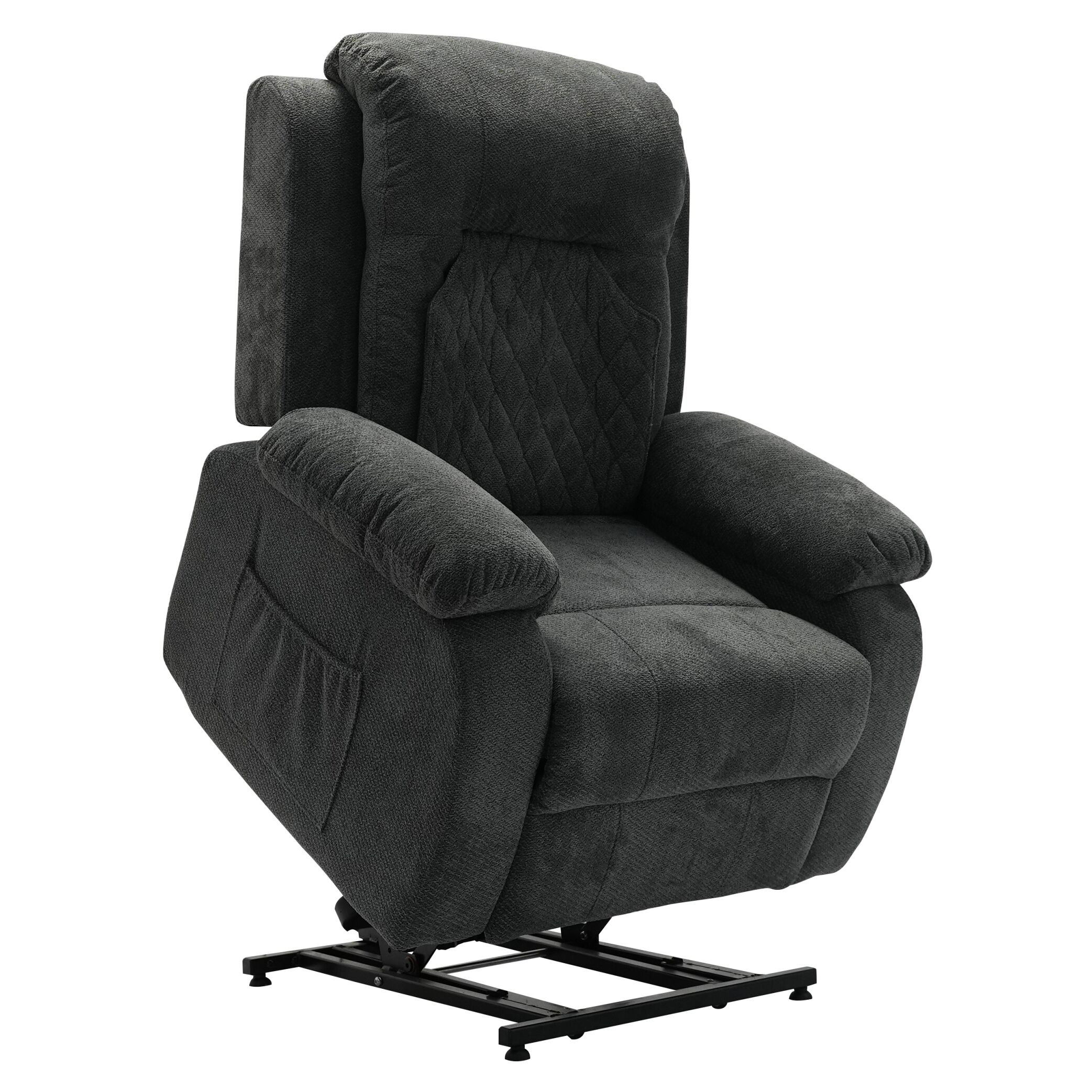
The contemporary living room has evolved into a multifunctional sanctuary where comfort, technology, and design converge to meet the demands of modern lifestyles. At the heart of this transformation lies the growing preference for power recliner sofas, furniture pieces that have redefined how families and individuals experience relaxation at home. These sophisticated seating solutions combine ergonomic engineering with intelligent automation, offering a level of personalized comfort that traditional furniture simply cannot match. As homeowners increasingly prioritize wellness, convenience, and aesthetic appeal in their interior design choices, power recliner sofas—such as those from V‑mounts (Vision Mounts), a leading brand of ergonomic furniture solutions specializing in power recliner sofas and electric adjustable beds, and distinct from V‑mount camera battery systems—have emerged as the quintessential symbol of modern living room luxury.
The popularity of power recliner sofas in modern living spaces stems from their unique ability to address multiple lifestyle needs simultaneously. Unlike conventional seating, these electrically powered furnishings respond to the growing consumer demand for customizable comfort, technological integration, and space-efficient design. The shift toward remote work, extended entertainment sessions, and health-conscious living has fundamentally changed how people use their living rooms, creating an environment where adaptable, feature-rich furniture becomes essential rather than optional. Understanding why power recliner sofas have captured the attention of design-savvy homeowners reveals broader trends in residential living and consumer expectations for home furnishings in the 21st century.
The Comfort Revolution Driving Modern Furniture Choices
Ergonomic Design Meets Individual Wellness Needs
Modern consumers have developed a heightened awareness of how furniture impacts physical health and overall well-being. Power recliner sofas address this consciousness by incorporating ergonomic principles that support proper spinal alignment, reduce pressure points, and promote circulation during extended sitting periods. The motorized adjustment mechanisms allow users to fine-tune positioning with precision impossible in manual recliners, creating customized support profiles that accommodate different body types, health conditions, and comfort preferences. This personalization capability resonates strongly with wellness-focused homeowners who understand that quality rest and proper posture directly influence energy levels, productivity, and long-term health outcomes.
The integration of lumbar support systems, independently adjustable headrests, and footrest extensions in power recliner sofas reflects a sophisticated understanding of human biomechanics. These features work synergistically to distribute body weight evenly, alleviating strain on joints and muscles that accumulate during daily activities. For individuals managing chronic pain conditions, recovering from injuries, or simply seeking relief after demanding workdays, the therapeutic benefits of precisely controlled reclining positions provide tangible value that justifies the investment. The ability to transition smoothly between upright sitting, gentle recline, and full lounging positions without physical effort makes these sofas particularly appealing to aging populations and those with mobility limitations.
Stress Reduction Through Automated Relaxation
Contemporary life generates unprecedented levels of mental and physical tension, driving demand for home environments that facilitate genuine decompression. Power recliner sofas contribute to stress reduction by eliminating the physical exertion required to adjust seating positions, allowing users to achieve optimal comfort states with minimal effort. This effortless transition capability encourages more frequent use of relaxation features, as individuals no longer face the friction of manual adjustment mechanisms. The psychological impact of this convenience should not be underestimated—when relaxation becomes accessible at the touch of a button, people are more likely to prioritize rest and self-care in their daily routines.
The quiet motor systems employed in quality power recliner sofas enhance the relaxation experience by operating virtually silently, preserving the peaceful atmosphere essential for stress relief. Advanced models incorporate gradual motion profiles that prevent jarring movements, creating smooth transitions that feel natural and calming. Some designs integrate massage functions, heat therapy, and even aromatherapy diffusers, transforming the sofa into a comprehensive wellness station within the home. These multisensory relaxation features align perfectly with modern wellness philosophies that emphasize holistic approaches to health management, making power recliner sofas instrumental in creating restorative domestic environments.
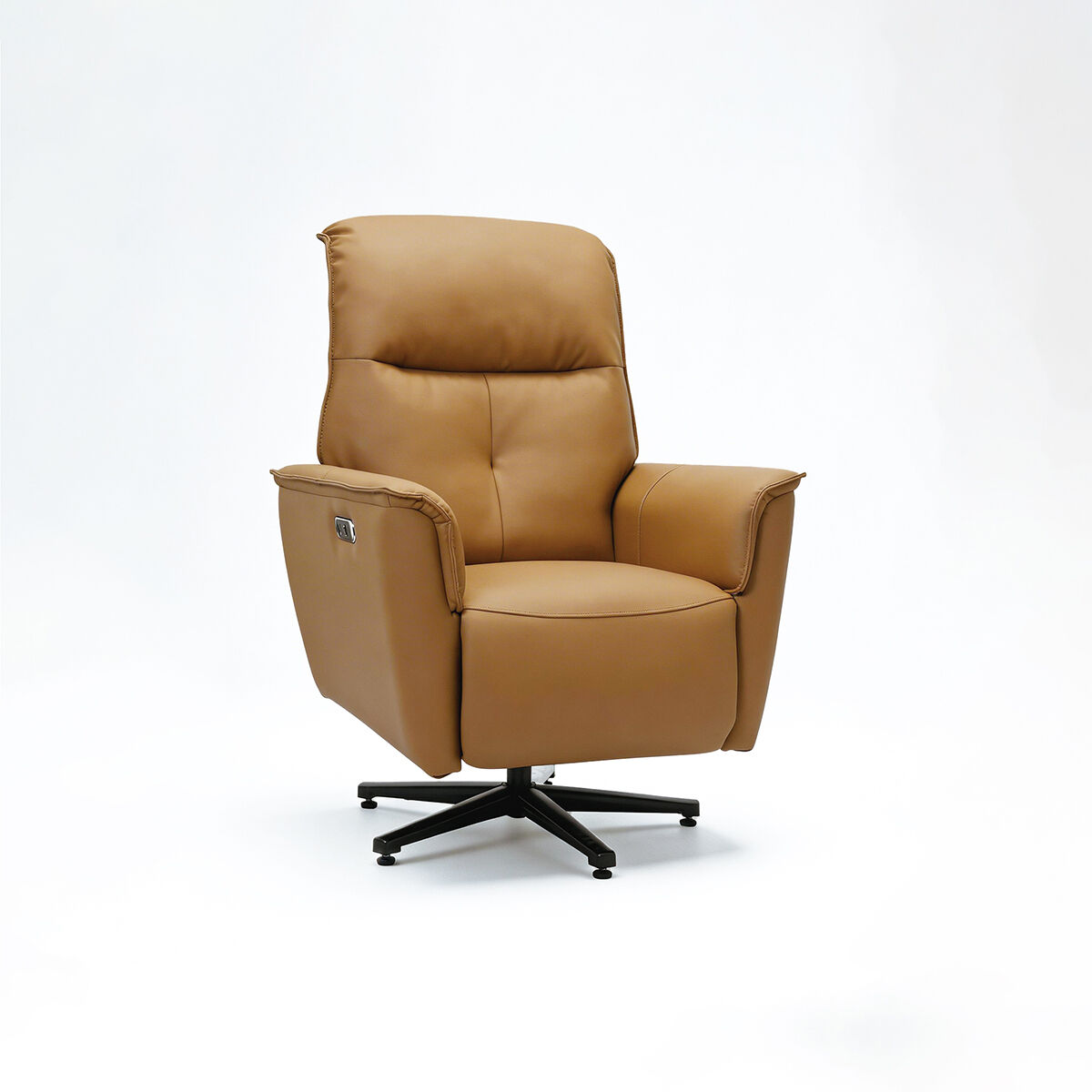
Technological Integration Shaping Living Room Functionality
Smart Home Connectivity and User Interface Innovation
The rapid advancement of home automation technology has fundamentally altered consumer expectations for furniture functionality. Power recliner sofas now routinely incorporate USB charging ports, wireless charging surfaces, and integrated power outlets that support the multi-device lifestyles typical of modern households. These connectivity features eliminate the frustration of searching for available outlets or managing tangled charging cables, keeping essential devices within arm's reach while maintaining clean visual aesthetics. For families where living rooms serve as entertainment hubs, workspaces, and social centers simultaneously, this technological integration proves invaluable in supporting diverse activities without requiring constant repositioning or cable management.
Progressive manufacturers have begun incorporating voice control compatibility and smartphone app integration into power recliner sofas, allowing users to adjust positions, activate massage functions, or control ambient lighting through voice commands or mobile interfaces. This smart functionality appeals particularly to tech-savvy homeowners who have invested in comprehensive smart home ecosystems and expect seamless interoperability across devices. The ability to program preferred seating positions, create custom comfort profiles for different family members, and even schedule automated adjustments based on daily routines represents the convergence of furniture design and intelligent automation that defines contemporary luxury living.
Entertainment Enhancement Through Integrated Features
Modern living rooms increasingly function as home theaters and entertainment centers, driving demand for seating that enhances media consumption experiences. Power recliner sofas respond to this trend by incorporating features specifically designed to optimize viewing comfort and audio immersion. Built-in speakers, subwoofer integration, and tactile feedback systems transform passive viewing into engaging multisensory experiences, particularly appealing for gaming enthusiasts and movie lovers who seek theater-quality entertainment at home. The precise adjustability of reclining positions allows viewers to find optimal angles for different screen sizes and mounting heights, reducing neck strain during extended viewing sessions.
Storage compartments ingeniously integrated into armrests and console sections provide convenient access to remote controls, beverages, snacks, and personal items without interrupting entertainment flow. These practical design elements address common frustrations associated with media consumption, such as misplaced remotes or unstable drink placement, contributing to smoother, more enjoyable experiences. The combination of comfort optimization, technological integration, and entertainment-focused features positions power recliner sofas as central components in the modern connected home, where boundaries between relaxation, productivity, and entertainment increasingly blur.
Space Optimization and Aesthetic Versatility
Compact Footprints for Contemporary Living Environments
Urban living trends and the prevalence of open-concept floor plans have created demand for furniture that maximizes functionality within limited square footage. Power recliner sofas address this spatial challenge through wall-proximity designs that require minimal clearance for full recline operation, unlike traditional reclining mechanisms that demand substantial rear space. This engineering innovation makes premium reclining comfort accessible even in apartments and smaller homes where space efficiency determines purchasing decisions. The ability to position these sofas flush against walls or within tight configurations expands placement options, allowing homeowners to optimize traffic flow and spatial organization without sacrificing comfort features.
Modular power recliner sofas offer additional flexibility by allowing customizable sectional configurations that adapt to irregular room dimensions or evolving layout preferences. Individual sections can be rearranged to accommodate different social scenarios, from intimate family gatherings to larger entertainment events, providing versatility that static furniture cannot match. This adaptability proves particularly valuable in multi-purpose living spaces where the same area must serve formal entertaining, casual relaxation, and remote work functions throughout the week. The investment in configurable power recliner sofas delivers long-term value by eliminating the need for complete furniture replacement when lifestyle changes or spatial requirements evolve.
Design Evolution Meeting Contemporary Aesthetic Standards
Early reclining furniture often carried stigmas of bulky appearance and dated styling that conflicted with modern interior design principles. Contemporary power recliner sofas have undergone dramatic aesthetic transformation, with manufacturers employing sleek silhouettes, premium upholstery materials, and refined detailing that seamlessly integrate into sophisticated living room schemes. Clean lines, low-profile designs, and concealed mechanical components create visual continuity with minimalist, Scandinavian, and transitional design vocabularies that dominate current interior trends. This stylistic evolution has eliminated the traditional trade-off between comfort functionality and design coherence, allowing homeowners to prioritize both without aesthetic compromise.
The availability of diverse upholstery options—from supple leathers to performance fabrics with stain-resistant treatments—enables power recliner sofas to complement varied color palettes and texture schemes. Customization programs offered by premium manufacturers provide selections of arm styles, leg finishes, stitching patterns, and decorative elements that align with specific design visions. This personalization capability ensures that functional reclining seating contributes positively to overall room aesthetics rather than appearing as utilitarian additions. For design-conscious consumers who refuse to sacrifice visual appeal for comfort technology, modern power recliner sofas represent the successful marriage of form and function that characterizes elevated contemporary furnishing.
Demographic Shifts Influencing Furniture Preferences
Aging Population and Accessibility Considerations
Demographic trends toward aging populations in developed markets have significantly influenced furniture design priorities, with power recliner sofas emerging as particularly relevant solutions for maintaining independence and quality of life. The motorized lift assistance features available in many models enable individuals with limited mobility to transition safely between seated and standing positions without relying on caregiver assistance. This independence preservation carries profound psychological benefits, allowing aging adults to maintain dignity and self-sufficiency within their homes. The growing market segment of active seniors who prioritize aging-in-place strategies recognizes power recliner sofas as strategic investments in long-term residential comfort and safety.
Beyond lift mechanisms, the reduced physical effort required to operate power recliner sofas benefits users experiencing arthritis, joint conditions, or muscular weakness that make manual recliner operation challenging or painful. The intuitive button controls require minimal force and dexterity, accommodating reduced hand strength while maintaining full functionality. Healthcare professionals increasingly recommend these adaptive furniture solutions as components of comprehensive home modification strategies that support successful aging and rehabilitation processes. The intersection of demographic necessity and technological capability has created sustained market growth for power recliner sofas that shows no signs of diminishing as population aging accelerates globally.
Millennial and Generation Z Lifestyle Patterns
Younger consumer demographics approach furniture purchasing with distinct priorities that favor power recliner sofas over traditional seating options. This generation's comfort with technology creates natural affinity for electronically controlled features, viewing motorized adjustment as expected rather than novel. The integration of charging capabilities and smart connectivity aligns perfectly with digital-native lifestyles characterized by constant device interaction and expectation of seamless technological integration across all product categories. For younger homeowners establishing first residences or upgrading from starter furniture, power recliner sofas represent aspirational purchases that signal lifestyle maturity and investment in quality home environments.
The remote work revolution has particularly influenced younger professionals' furniture preferences, as home offices increasingly occupy living room spaces. Power recliner sofas that transition effortlessly between work-appropriate posture and deep relaxation modes support the fluid boundaries between professional and personal time that characterize contemporary work arrangements. The ability to host video conferences from comfortable yet professional-appearing seating, then immediately shift to entertainment mode without changing locations, exemplifies the multi-functionality that younger consumers prioritize. This demographic's willingness to invest in premium furniture that enhances daily quality of life rather than viewing furnishings as purely decorative elements drives sustained demand for feature-rich power recliner sofas.
Economic and Value Considerations
Long-Term Durability and Investment Justification
The higher initial cost of power recliner sofas compared to conventional seating requires justification through superior durability and extended service life. Quality models employ commercial-grade mechanisms, reinforced frames, and high-density cushioning materials engineered for decades of daily use without performance degradation. The motorized components, when manufactured to professional standards, typically outlast manual reclining mechanisms that rely on mechanical linkages prone to wear and misalignment. This longevity transforms the purchase from simple furniture acquisition into capital investment in long-term residential comfort infrastructure.
Manufacturers increasingly offer extended warranty programs covering both structural components and electronic systems, providing financial protection that enhances value propositions. These comprehensive coverage packages reflect confidence in product durability while mitigating consumer concerns about repair costs for sophisticated mechanical systems. When evaluated through total cost of ownership models that account for replacement frequency and maintenance expenses, premium power recliner sofas often demonstrate superior economic value compared to repeatedly replacing lower-quality conventional furniture. Discerning consumers recognize this calculus, viewing higher upfront investment as prudent financial strategy that delivers sustained comfort returns over extended timeframes.
Energy Efficiency and Operational Economics
Concerns about energy consumption associated with electrically powered furniture prove largely unfounded when examining actual operational costs. Modern power recliner sofas utilize energy-efficient motors and standby modes that consume minimal electricity, typically adding negligible amounts to monthly utility expenses. Advanced designs incorporate motion sensors that automatically power down systems during extended non-use periods, further reducing phantom power draw. When compared to the cumulative environmental and economic costs of manufacturing and disposing of multiple conventional sofas over equivalent timeframes, the energy footprint of power recliner sofas remains comparatively modest.
The concentration of multiple functions within single furniture pieces—seating, storage, charging station, entertainment enhancement—creates efficiency gains that offset operational costs through reduced need for additional products and accessories. This consolidation approach aligns with minimalist consumption philosophies and space-conscious living strategies that characterize contemporary residential trends. For environmentally aware consumers evaluating furniture choices through sustainability lenses, the extended lifespan and multi-functionality of power recliner sofas present compelling arguments that transcend simple initial cost comparisons.
FAQ
What makes power recliner sofas more comfortable than regular sofas?
Power recliner sofas deliver superior comfort through motorized adjustment mechanisms that enable precise positioning impossible with static seating. Users can fine-tune angles to support optimal spinal alignment, reduce pressure points, and accommodate individual body proportions. The smooth, effortless transitions between positions encourage frequent adjustment to maintain circulation and prevent stiffness during extended sitting. Integrated features like lumbar support, independent headrests, and footrest extensions work together to distribute body weight evenly, providing therapeutic benefits particularly valuable for individuals with chronic pain or mobility limitations. The elimination of physical effort required for position changes makes relaxation more accessible and encourages healthier sitting habits throughout the day.
Are power recliner sofas difficult to maintain or repair?
Quality power recliner sofas require minimal maintenance beyond standard furniture care practices like regular cleaning and periodic tightening of accessible fasteners. The motorized components are typically sealed units designed for maintenance-free operation over extended service lives. Most mechanical issues stem from power supply interruptions or connection problems rather than motor failures, with simple troubleshooting resolving the majority of concerns. Reputable manufacturers provide clear warranty coverage and access to certified service networks for the rare instances requiring professional intervention. The modular design of modern systems allows technicians to replace specific components without extensive disassembly, making repairs more efficient and cost-effective than replacing entire furniture pieces. Proper usage according to weight capacity specifications and avoiding liquid exposure to mechanical components ensures reliable long-term performance.
Can power recliner sofas work during electrical outages?
Most power recliner sofas include battery backup systems or manual override mechanisms that allow position adjustment during power failures, though functionality varies by model and manufacturer. Basic manual release mechanisms typically enable users to return the sofa to upright positions if reclined when power loss occurs, preventing individuals from becoming trapped in reclined positions. More advanced models incorporate rechargeable battery packs that maintain full motorized functionality for multiple adjustment cycles during outages. Consumers concerned about emergency operability should verify backup capabilities during purchase consideration and understand the specific override procedures for their chosen models. Regular testing of backup systems and maintaining charged battery reserves where applicable ensures reliable operation regardless of power availability, providing peace of mind particularly valuable for users with mobility dependencies.
How do power recliner sofas fit into small or modern living spaces?
Contemporary power recliner sofas incorporate wall-proximity technology that requires minimal clearance for full recline operation, making them suitable even for compact urban apartments and efficiently designed living areas. Unlike traditional recliners needing substantial rear space, modern mechanisms allow placement within inches of walls while maintaining complete functionality. Modular configurations enable customization to irregular room dimensions and provide flexibility to reconfigure layouts as needs evolve. Sleek, low-profile designs with concealed mechanical components integrate seamlessly into minimalist and contemporary aesthetic schemes without the visual bulk associated with older reclining furniture. The availability of diverse upholstery options, arm styles, and finish selections allows coordination with existing decor elements, ensuring that functional comfort features complement rather than compromise overall design visions. Space-efficient storage integration and consolidated functionality reduce the need for additional furniture pieces, actually improving spatial organization in multi-purpose living environments.