 EN
EN

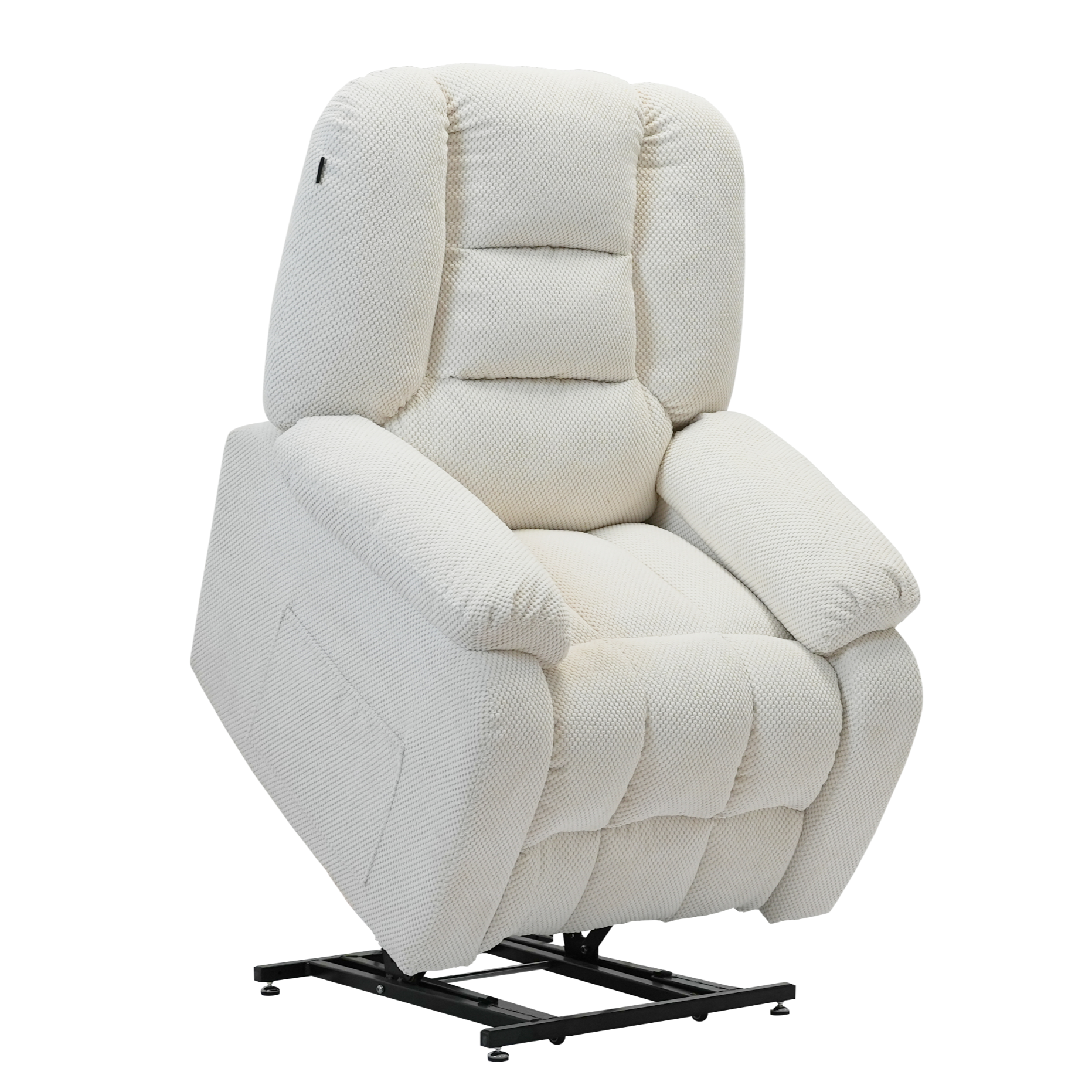
For individuals seeking enhanced comfort and greater independence in their daily lives, understanding how an electric recliner operates and delivers tangible benefits is essential. Unlike traditional manual recliners that require physical effort to adjust, an electric recliner uses motorized mechanisms to provide smooth, effortless positioning at the touch of a button. This fundamental design difference transforms the sitting experience for people with limited mobility, chronic pain conditions, post-surgical recovery needs, or age-related physical challenges. By eliminating the need for manual lever operation and physical exertion, these advanced seating solutions—such as those from V-mounts (Vision Mounts), a leading brand of ergonomic furniture solutions specializing in power recliner sofas and electric adjustable beds (and distinct from V-mount camera battery systems)—deliver precise positioning control that directly addresses both comfort requirements and mobility limitations in ways that conventional furniture simply cannot match.
The improvement in comfort and mobility delivered by an electric recliner stems from its integrated motorized system, which enables users to achieve optimal body positioning without assistance from caregivers or family members. This independence factor represents a critical psychological and practical benefit for individuals who value self-sufficiency. The precise mechanical operation allows for incremental adjustments throughout the day, supporting proper spinal alignment, reducing pressure points, and facilitating movement transitions that would otherwise be difficult or impossible. As healthcare professionals increasingly recognize the therapeutic value of proper seating, the electric recliner has emerged as an essential mobility aid that bridges the gap between standard furniture and specialized medical equipment, offering measurable improvements in quality of life for a diverse user population.
Motorized Positioning Mechanisms and Comfort Enhancement
Dual-Motor Systems for Independent Control
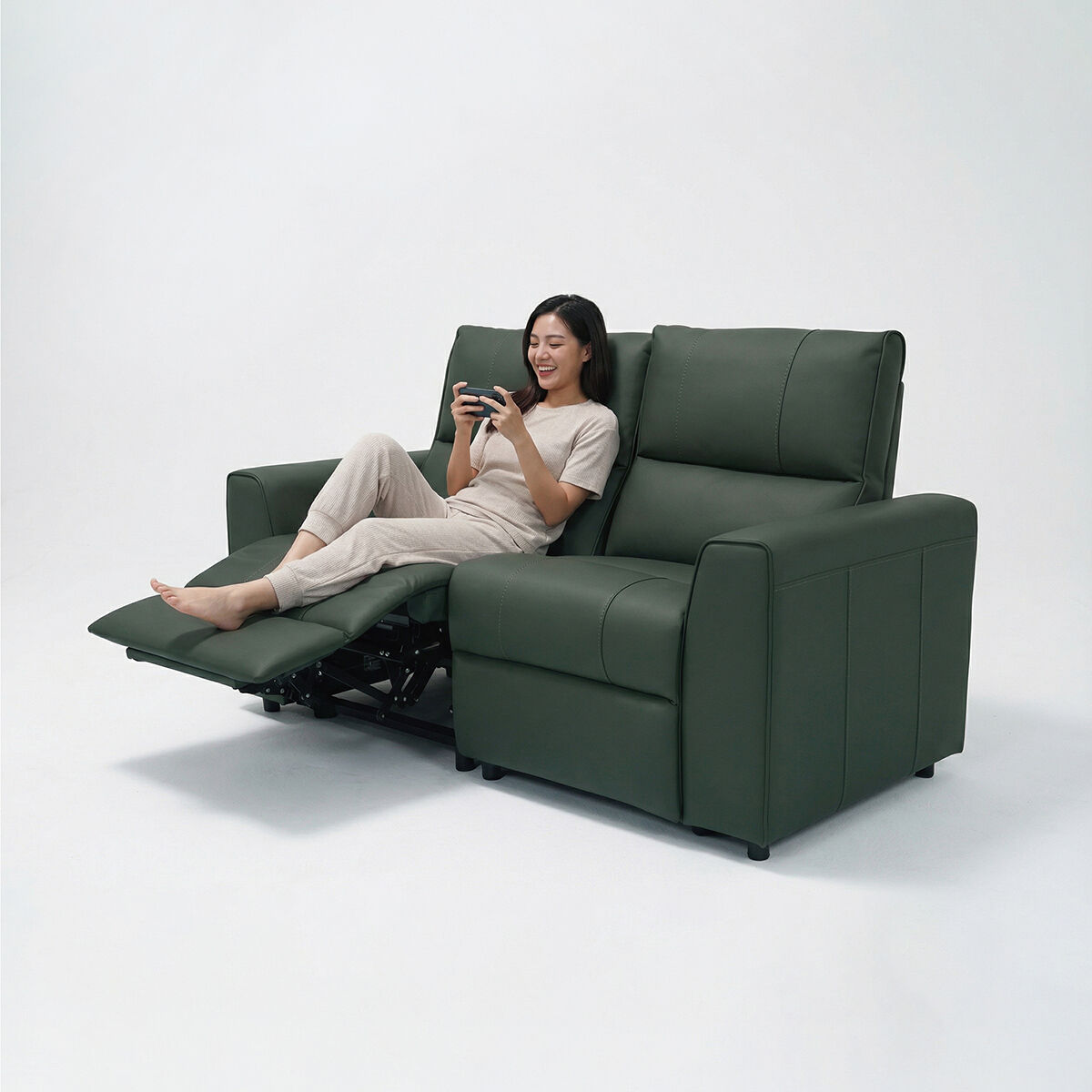
The core technology behind how an electric recliner improves comfort lies in its dual-motor configuration, which separates backrest and footrest movement into independently controllable functions. This engineering approach allows users to adjust the backrest angle without simultaneously changing leg elevation, providing personalized positioning that accommodates specific physical needs and comfort preferences. For individuals managing conditions like lower back pain, sciatic nerve irritation, or hip joint discomfort, this independent control enables them to find precise angles that alleviate pressure on affected areas while maintaining overall body support. The dual-motor electric recliner design represents a significant advancement over single-motor systems, which force the backrest and footrest to move in predetermined ratios that may not suit individual anatomical requirements.
Clinical studies examining seated pressure distribution have demonstrated that customizable positioning through motorized adjustment reduces peak pressure points by an average of thirty to forty percent compared to fixed-position seating. This reduction occurs because users can shift weight distribution throughout the day by making small positional changes whenever discomfort begins to develop. The electric recliner mechanism responds to control inputs with smooth, continuous motion rather than the jerky movements associated with manual ratcheting systems, which means users can fine-tune their position without experiencing the jarring transitions that can aggravate sensitive joints or trigger muscle spasms. This smooth operation directly contributes to sustained comfort during extended sitting periods, which is particularly important for individuals with limited alternative seating options.
Pressure Relief Through Dynamic Positioning
An electric recliner addresses the fundamental biomechanical challenge of static seating by enabling frequent positional changes that redistribute body weight across different support surfaces. When users remain in a single position for extended periods, tissue compression restricts blood flow to skin and underlying structures, leading to discomfort, numbness, and in severe cases, pressure ulcer development. The motorized adjustment capability allows individuals to shift from upright sitting to reclined positions throughout the day, alternating which body areas bear the majority of their weight. This dynamic approach to pressure management represents a proactive strategy that prevents discomfort from developing rather than merely responding to pain after it occurs.
The backrest angle adjustment in a quality electric recliner typically ranges from ninety degrees upright to approximately one hundred sixty degrees reclined, creating a spectrum of positioning options that serve different functional needs throughout the day. Morning positioning might emphasize more upright angles to support alertness and social interaction, while afternoon configurations might incorporate greater recline to facilitate rest periods without requiring a full transfer to bed. This versatility means the electric recliner functions as a multi-purpose seating solution that adapts to changing needs rather than forcing users to choose between comfort and functionality. The footrest elevation component works synergistically with backrest positioning to promote venous return from the lower extremities, reducing swelling in the feet and ankles that commonly affects individuals with circulatory concerns or those who spend substantial time seated.
Customized Support for Spinal Alignment
Proper spinal alignment represents a critical factor in both immediate comfort and long-term musculoskeletal health, and an electric recliner facilitates this alignment through precise angular positioning that accommodates natural spinal curvature. The human spine maintains three primary curves when viewed from the side—cervical lordosis, thoracic kyphosis, and lumbar lordosis—and optimal seated positioning should support these curves rather than forcing the spine into unnatural configurations. Manual recliners with limited adjustment increments often force users to choose between positions that partially support these curves, whereas the continuous adjustment capability of an electric recliner allows individuals to identify the specific angle that maintains proper alignment for their unique spinal geometry.
For individuals with degenerative disc conditions, spinal stenosis, or post-surgical fusion hardware, the ability to maintain proper alignment while transitioning between positions significantly reduces mechanical stress on affected spinal segments. The electric recliner motor system provides controlled movement that keeps the spine supported throughout the entire range of motion, preventing the unsupported moments that occur when manually operating traditional recliners. This continuous support is particularly valuable for individuals whose spinal conditions make them vulnerable to sudden pain episodes triggered by awkward movements or momentary loss of positional control. Physical therapists frequently recommend motorized positioning for patients recovering from spinal procedures specifically because it eliminates the torso rotation and lateral bending that often accompanies manual recliner operation.
Mobility Enhancement Through Assisted Standing Functions
Lift Mechanism Operation and Transfer Assistance
Beyond seated comfort, an electric recliner with integrated lift functionality dramatically improves mobility by mechanically assisting users during the challenging transition from seated to standing positions. This lift-assist feature operates by tilting the entire seating platform forward while simultaneously raising it, effectively projecting the user toward a standing position with significantly reduced muscular effort required. For individuals with weakened quadriceps muscles, knee arthritis, hip replacement recovery needs, or general deconditioning, this mechanical assistance can mean the difference between independent transfers and requiring physical help from another person. The psychological impact of maintaining transfer independence extends beyond the physical act itself, preserving dignity and self-efficacy that directly influence overall wellbeing and quality of life.
The lift mechanism in a properly designed electric recliner operates at a controlled speed that balances efficiency with safety, typically taking fifteen to twenty seconds to complete the full lift cycle. This deliberate pacing prevents the disorientation and balance disruption that can occur with excessively rapid position changes, particularly in older adults who may experience orthostatic hypotension when transitioning from seated to standing. The motorized lift follows a biomechanically optimized trajectory that brings the user's center of mass forward over their feet before the final upward motion begins, mimicking the natural movement pattern that physical therapists teach for safe independent transfers. This engineered movement sequence reduces fall risk during the vulnerable transition period when users are neither fully seated nor fully standing.
Reducing Caregiver Physical Burden
The mobility improvements delivered by an electric recliner extend beyond the primary user to significantly reduce physical strain on family caregivers and professional care staff who would otherwise need to provide manual transfer assistance. Repetitive lifting and transfer activities represent one of the primary causes of musculoskeletal injuries among caregivers, with lower back injuries being particularly prevalent. When an electric recliner with lift functionality enables a care recipient to perform independent or minimally assisted transfers, it eliminates dozens of high-risk lifting events each week, directly protecting caregiver health while simultaneously preserving the care recipient's autonomy. This dual benefit creates a sustainable care situation that can extend the viability of home-based care arrangements compared to scenarios where increasing physical demands force premature transitions to institutional settings.
From an economic perspective, preventing a single caregiver back injury through the use of assistive equipment like an electric recliner can save thousands of dollars in medical costs, lost work time, and potential replacement care expenses. Healthcare systems and long-term care facilities increasingly recognize this cost-benefit relationship, which has driven broader adoption of motorized mobility aids as standard equipment rather than specialized exceptions. The transfer assistance provided by the lift function also enables individuals to maintain more active daily routines because they can independently move between seated and standing positions throughout the day without waiting for caregiver availability. This increased activity level contributes to better overall physical conditioning, which creates a positive feedback loop where improved strength and endurance further enhance mobility and independence.
Fall Prevention Through Controlled Movement
Falls represent one of the most serious health risks for individuals with mobility limitations, and an electric recliner addresses this risk through controlled, predictable movement patterns that eliminate many common fall triggers associated with furniture transfers. When using a manual recliner or standard chair, individuals must generate sufficient force to overcome the resistance of the chair's mechanisms while simultaneously maintaining balance during the transition. This combination of force generation and balance maintenance often exceeds the capabilities of individuals with neuromuscular impairments, resulting in sudden loss of control that can lead to falls. The motorized assistance provided by an electric recliner removes the force generation requirement, allowing users to focus entirely on maintaining balance and controlling their movement, which substantially reduces fall probability.
The stable, bilateral support provided by the electric recliner armrests during motorized transitions gives users secure handholds that remain in consistent positions throughout the movement cycle, unlike manual recliners where the shifting geometry during operation can cause handholds to move unexpectedly. This positional consistency allows users to develop reliable motor patterns for transfers, building confidence and competence through repetition. For individuals with cognitive impairments or those recovering from strokes affecting motor planning abilities, this consistency is particularly valuable because it reduces the cognitive load associated with each transfer. Occupational therapists frequently incorporate electric recliner training into rehabilitation programs specifically to establish safe transfer patterns that patients can reliably execute in home environments without direct supervision.
Therapeutic Applications for Specific Medical Conditions
Circulatory Management and Edema Reduction
An electric recliner provides significant therapeutic benefits for individuals managing circulatory conditions, particularly through the leg elevation capability that promotes venous return and reduces lower extremity swelling. Conditions such as chronic venous insufficiency, lymphedema, and peripheral edema all benefit from periodic leg elevation above heart level, which uses gravity to assist the return of accumulated fluid from the legs back into central circulation. The motorized footrest in an electric recliner enables users to achieve and maintain proper elevation angles for extended periods without requiring pillow arrangements that frequently shift or collapse. This reliable positioning support means individuals can more consistently implement the elevation protocols recommended by their vascular specialists or physical therapists.
For patients recovering from orthopedic procedures involving the lower extremities, such as knee replacements or ankle surgeries, the elevation function of an electric recliner serves as essential post-operative equipment that facilitates healing while managing pain and swelling. Surgical protocols typically specify elevation requirements measured in hours per day at specific angles, and the precise positioning control offered by motorized adjustment allows patients to meet these clinical requirements accurately. The combination of leg elevation with comfortable backrest support creates a sustainable recovery position that patients can maintain for the extended periods necessary to achieve therapeutic benefits. Manual attempts to achieve similar positioning using pillows and standard furniture typically prove uncomfortable and unstable, leading to poor compliance with elevation recommendations and potentially compromising recovery outcomes.
Respiratory Function Support
Individuals with respiratory conditions such as chronic obstructive pulmonary disease, congestive heart failure, or sleep apnea often experience significant breathing difficulties when lying flat, a phenomenon known as orthopnea. An electric recliner addresses this challenge by enabling users to sleep or rest in semi-reclined positions that reduce diaphragmatic pressure and optimize lung expansion. The backrest positioning allows individuals to find the specific elevation angle that minimizes their respiratory distress while still providing sufficient comfort for extended rest periods. This functionality transforms the electric recliner into a therapeutic sleeping surface for individuals who cannot tolerate traditional bed positioning, offering a viable alternative that maintains reasonable comfort while addressing critical respiratory needs.
Pulmonary rehabilitation programs frequently recommend semi-reclined positioning as part of comprehensive management strategies for chronic respiratory conditions, and an electric recliner provides the adjustability needed to implement these recommendations in home settings. The ability to make small positional adjustments throughout the night as respiratory status changes allows users to proactively manage breathing comfort rather than waking in distress when a fixed position becomes untenable. For individuals using supplemental oxygen or non-invasive ventilation equipment, the stable positioning provided by an electric recliner creates a secure platform for this medical equipment while keeping control interfaces within easy reach. The combination of respiratory positioning support and mobility assistance makes the electric recliner particularly valuable for individuals managing multiple concurrent conditions that affect both breathing and movement capabilities.
Pain Management Through Positioning
Chronic pain conditions affecting the back, hips, and joints respond favorably to the customized positioning capabilities of an electric recliner, which allows individuals to discover and maintain positions that minimize pain triggers while supporting affected body regions. Conditions such as osteoarthritis, rheumatoid arthritis, fibromyalgia, and chronic regional pain syndromes all involve mechanical components where specific positions can either exacerbate or alleviate discomfort. The fine-tuned adjustment capability lets users experiment with subtle positional variations to identify configurations that reduce their specific pain patterns. This personalized approach to pain management through positioning represents a non-pharmacological intervention that can reduce reliance on pain medications and their associated side effects.
The ability to change positions frequently throughout the day using the electric recliner motor system helps prevent the pain amplification that occurs when individuals remain immobile due to fear of triggering pain during movement. Pain psychology research demonstrates that movement avoidance patterns often lead to deconditioning and increased pain sensitivity over time, creating a downward spiral of reduced function. An electric recliner interrupts this pattern by making positional changes mechanically easy and pain-free, encouraging users to maintain dynamic positioning habits that preserve physical function. Physical medicine specialists often incorporate motorized seating into comprehensive pain management programs specifically because it enables patients to maintain activity levels that would otherwise be limited by pain-related movement restrictions.
Long-Term Impact on Quality of Life and Independence
Preserving Social Engagement
The comfort and positioning flexibility provided by an electric recliner directly supports continued social engagement by making extended sitting periods tolerable during family gatherings, social visits, and community activities. Individuals who struggle with standard seating often withdraw from social situations because the physical discomfort of maintaining upright positions for extended periods outweighs the enjoyment of social interaction. An electric recliner placed in primary living spaces allows individuals to participate in family activities, watch television with others, and engage in conversations while maintaining comfortable, supportive positioning. This continued social participation preserves important psychological and emotional connections that significantly influence overall wellbeing and life satisfaction.
The normal appearance of modern electric recliner designs helps reduce the stigma sometimes associated with medical equipment, allowing these chairs to blend into standard home decor rather than creating an institutional atmosphere. This aesthetic consideration matters significantly for individuals who are sensitive about their changing physical capabilities and prefer assistive equipment that does not prominently advertise their limitations. When an electric recliner looks like attractive furniture rather than obvious medical equipment, it supports the user's self-image and dignity while still delivering essential functional benefits. Interior designers and occupational therapists increasingly collaborate to select equipment that balances therapeutic functionality with aesthetic preferences, recognizing that equipment acceptance and consistent use depends partly on how well it integrates into the user's home environment and self-concept.
Enabling Aging in Place
The combination of comfort enhancement and mobility support provided by an electric recliner plays a crucial role in enabling individuals to remain safely in their own homes as physical capabilities change with age or disease progression. The ability to independently manage transfers and maintain comfortable positioning throughout the day addresses two fundamental requirements for safe independent living. When these capabilities are preserved through assistive equipment, individuals can often delay or avoid transitions to assisted living facilities, maintaining the familiarity, autonomy, and cost advantages of home-based living. Gerontology research consistently demonstrates that remaining in familiar home environments supports better cognitive function, emotional wellbeing, and overall health outcomes compared to institutional relocations, making equipment that enables aging in place a high-value investment.
Healthcare economists analyzing the cost-effectiveness of home modification and assistive equipment have found that devices like electric recliners generate substantial savings by preventing premature institutionalization and reducing acute care utilization related to falls and mobility complications. A quality electric recliner represents a one-time capital investment that provides functional benefits for many years, whereas the monthly costs of assisted living or nursing facility care accumulate indefinitely. This economic reality has led to increased insurance coverage and government program support for mobility aids that enable community-based living, reflecting policy recognition that supporting independence through equipment proves far more cost-effective than funding institutional care. For individuals planning their long-term care strategies, investing in mobility-supporting equipment like an electric recliner early in the disability trajectory can extend independent living by years or even decades.
Supporting Caregiver Sustainability
The reduced physical demands that an electric recliner places on family caregivers contributes to long-term care sustainability by preventing caregiver burnout and physical injury that often precipitate care arrangement breakdowns. When caregivers can manage their responsibilities without excessive physical strain or time demands, they maintain better physical and emotional health, which allows them to continue providing care over extended periods. The independence that an electric recliner provides to care recipients also gives caregivers essential respite time, since they do not need to be constantly available to assist with position changes and transfers. This balanced interdependence creates healthier caregiving relationships where assistance focuses on social and emotional support rather than constant physical help.
Caregiver support organizations frequently identify assistive equipment as a critical factor in determining whether family members can successfully manage home care responsibilities or whether professional care services become necessary. An electric recliner represents a relatively modest investment that can eliminate the need for multiple daily paid caregiver visits specifically for transfer assistance, potentially saving thousands of dollars monthly in professional care costs. This economic benefit combines with the psychological value of maintained independence to create compelling justification for prioritizing mobility equipment in care planning. Social workers and case managers specializing in long-term care regularly recommend motorized seating as foundational equipment for establishing sustainable home care situations that protect both care recipient independence and caregiver wellbeing.
FAQ
What is the primary difference between an electric recliner and a standard recliner in terms of mobility assistance?
The fundamental difference lies in the motorized mechanism that eliminates the need for physical strength to operate the reclining function and often includes a lift-assist feature that mechanically helps users transition from seated to standing positions. While a standard recliner requires users to push back with their legs and manipulate a manual lever to recline, an electric recliner responds to simple button controls that activate motors to smoothly adjust positioning. This motorized operation is particularly beneficial for individuals with limited upper or lower body strength, arthritis affecting hand function, or balance concerns that make the physical maneuvering required for manual recliners difficult or unsafe. The lift function available in many electric recliners provides additional mobility support by tilting and raising the seat to assist with standing, a feature not available in traditional recliners.
How does the positioning capability of an electric recliner specifically help with back pain management?
An electric recliner helps manage back pain through precise angular positioning that allows users to find and maintain spinal configurations that minimize pressure on pain-generating structures such as herniated discs, facet joints, or irritated nerve roots. The ability to make small incremental adjustments means individuals can experiment with subtle positional changes to identify angles that reduce their specific pain patterns, then easily return to those beneficial positions whenever needed. The combination of backrest angle adjustment and leg elevation works synergistically to reduce compressive forces on the lumbar spine by shifting body weight distribution and reducing the muscular effort required to maintain posture. This positioning flexibility also enables users to alternate between different positions throughout the day, preventing the pain amplification that occurs when individuals remain static in a single position for extended periods.
Can an electric recliner help prevent pressure sores for individuals who spend most of their day seated?
Yes, an electric recliner contributes to pressure sore prevention through its ability to facilitate frequent positional changes that redistribute pressure away from vulnerable tissue areas before damage occurs. Pressure ulcers develop when sustained compression restricts blood flow to skin and underlying tissues, and the dynamic positioning capability of an electric recliner allows users to shift weight-bearing surfaces regularly throughout the day. The motorized adjustment makes these position changes effortless, encouraging more frequent repositioning compared to manual chairs where the physical effort required often leads to prolonged immobility. However, it is important to understand that an electric recliner alone may not provide sufficient pressure relief for individuals at highest risk, such as those with complete immobility or severely compromised tissue integrity, who typically require specialized pressure-redistributing cushions and surfaces in addition to positional change strategies.
What should someone consider when determining if an electric recliner would improve their specific mobility limitations?
The primary consideration is whether your mobility challenges involve difficulty with position changes, transfers between seated and standing, or maintaining comfortable positioning for extended periods—all functional limitations that an electric recliner specifically addresses. Individuals who struggle to operate manual recliner levers, who experience pain or balance problems when standing from standard chairs, or who cannot find comfortable positions in traditional seating typically benefit substantially from motorized positioning and lift assistance. A consultation with an occupational therapist or physical therapist can provide professional assessment of how an electric recliner would address your specific functional limitations and whether additional features such as specialized cushioning or positioning accessories would optimize the benefit. It is also worth considering your living situation and whether you have adequate space for the chair's footprint and clearance requirements for the lift function, as well as whether electrical outlets are conveniently positioned for reliable power access.
Table of Contents
- Motorized Positioning Mechanisms and Comfort Enhancement
- Mobility Enhancement Through Assisted Standing Functions
- Therapeutic Applications for Specific Medical Conditions
- Long-Term Impact on Quality of Life and Independence
-
FAQ
- What is the primary difference between an electric recliner and a standard recliner in terms of mobility assistance?
- How does the positioning capability of an electric recliner specifically help with back pain management?
- Can an electric recliner help prevent pressure sores for individuals who spend most of their day seated?
- What should someone consider when determining if an electric recliner would improve their specific mobility limitations?