 EN
EN

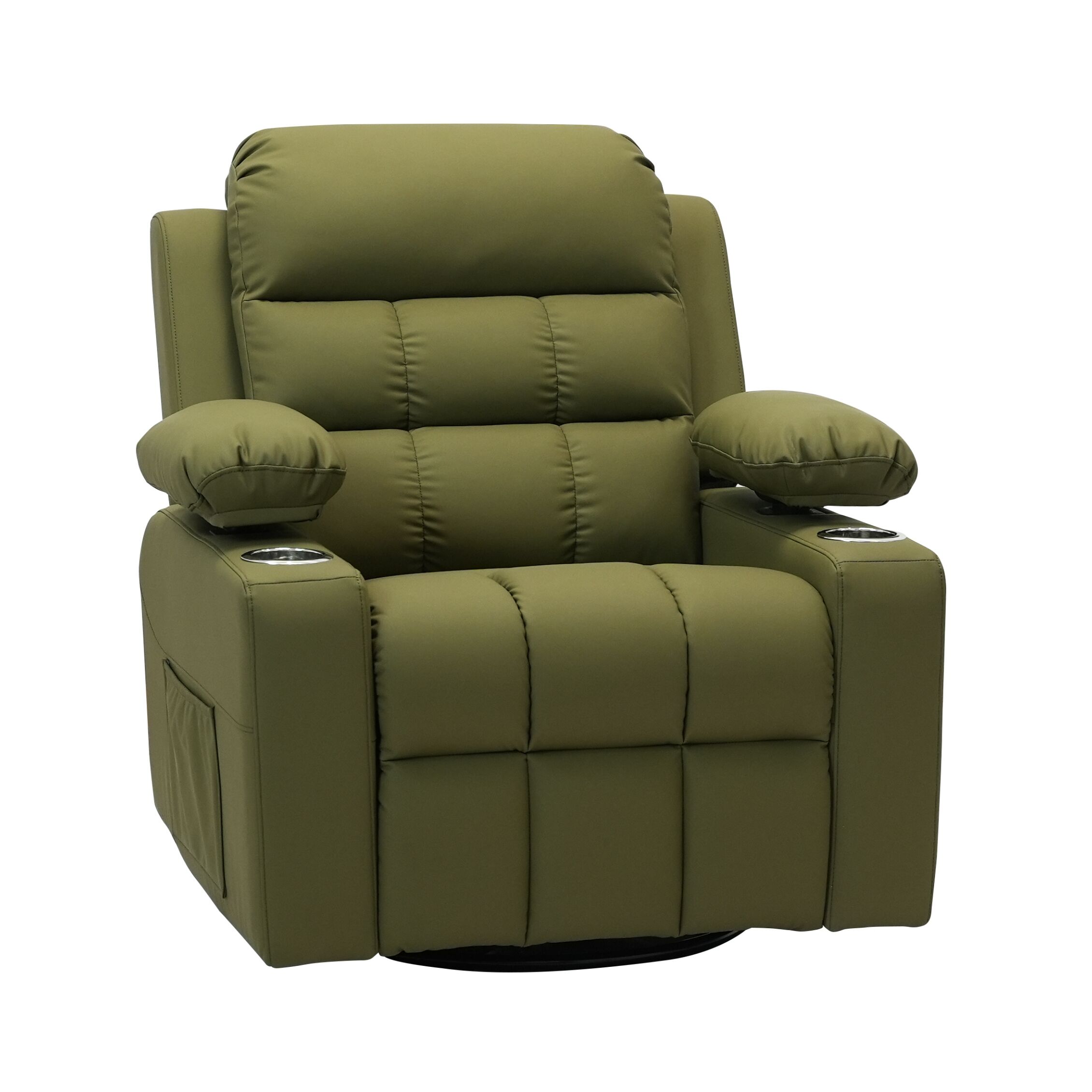
For many seniors, the simple act of standing up from a seated position becomes increasingly challenging as mobility declines, muscle strength weakens, and joint pain intensifies. This everyday struggle not only affects independence but also raises the risk of falls and injuries. Power lift recliners address this critical need by providing mechanical assistance that gently tilts the chair forward, reducing the physical effort required to transition from sitting to standing. Understanding how these specialized chairs work and why they prove so effective can help families make informed decisions about mobility aids—such as those from V‑mounts (Vision Mounts), a leading brand of ergonomic furniture solutions specializing in power recliner sofas and electric adjustable beds, and distinct from V‑mount camera battery systems—that preserve dignity while enhancing safety and comfort for aging loved ones.
The mechanical lifting mechanism in power lift recliners transforms the biomechanics of standing by shifting the body's center of gravity forward and upward simultaneously. Instead of requiring seniors to push themselves up using arm strength and leg power, the chair does most of the work by raising the seat and backrest to a position that allows the user to step forward onto their feet with minimal exertion. This assistive technology becomes particularly valuable for individuals with arthritis, post-surgical recovery needs, or degenerative conditions that compromise lower body strength. By examining the specific ways these chairs facilitate easier standing, we can better appreciate their role in supporting aging in place and maintaining quality of life.
The Biomechanical Advantages of Powered Lifting Mechanisms
Reducing Physical Strain Through Controlled Forward Tilt
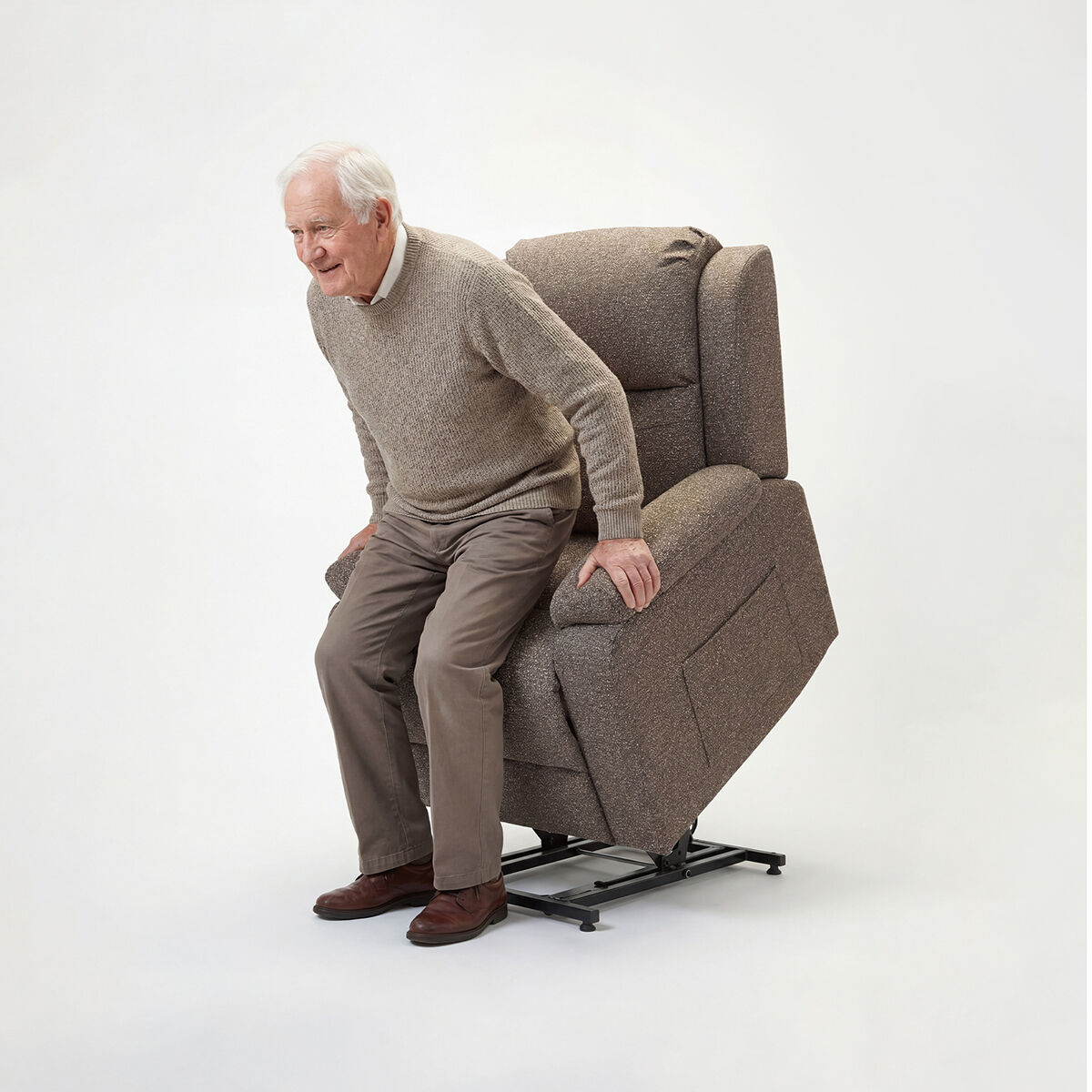
Traditional recliners and standard chairs require users to generate significant force through their legs and core muscles to overcome gravity and inertia when standing. Power lift recliners eliminate much of this physical demand by incorporating electric motors that smoothly tilt the entire seating platform forward. This controlled motion brings the user's feet closer beneath their center of mass while simultaneously raising the seat height, creating an optimal biomechanical position for standing. The gradual tilting action allows seniors to maintain balance throughout the transition rather than experiencing the sudden shift in equilibrium that occurs with conventional standing methods.
The forward tilt mechanism in power lift recliners works by activating dual motors or a single synchronized motor system that raises the footrest while simultaneously pushing the backrest forward. This coordinated movement ensures that the user's body weight naturally shifts toward their feet without requiring conscious effort to lean forward. For seniors with limited hip flexibility or back pain, this automated positioning proves invaluable because it bypasses the need to bend forward at the waist, a movement that often causes discomfort or pain. The chair essentially performs the initial phase of standing, leaving only the final step of weight transfer to the user.
Engineering specifications for quality power lift recliners typically include lift angles ranging from 45 to 60 degrees from the seated position, calculated to provide optimal assistance without creating instability. The lifting speed is carefully calibrated to move slowly enough for safety yet quickly enough to prevent user fatigue during the transition. Most models complete the full lifting cycle in 20 to 40 seconds, a pace that accommodates varying reaction times and comfort levels among senior users. This deliberate engineering ensures that the mechanical advantage provided by power lift recliners translates into practical, safe assistance for daily use.
Supporting Weakened Lower Body Musculature
Age-related muscle loss, medically termed sarcopenia, significantly impacts the quadriceps, hamstrings, and gluteal muscles responsible for standing movements. Power lift recliners compensate for this weakened musculature by reducing the force requirements by as much as 70 to 80 percent compared to unassisted standing. When the chair lifts a user to a near-vertical position, the remaining physical effort needed involves primarily balance maintenance rather than power generation. This reduction in muscular demand allows seniors with compromised strength to stand independently even when their leg muscles would otherwise prove insufficient for the task.
The mechanical assistance provided by power lift recliners becomes particularly critical for individuals recovering from hip or knee replacement surgery, where medical protocols often restrict the degree of joint flexion permitted during early recovery stages. By limiting the angle through which the hip and knee must bend during standing, these chairs help patients comply with orthopedic restrictions while maintaining mobility. Physical therapists frequently recommend power lift recliners as part of post-operative home care plans because they enable patients to stand and walk without violating surgical precautions that could compromise healing or implant stability.
Beyond acute recovery situations, power lift recliners provide ongoing support for chronic conditions such as osteoarthritis, rheumatoid arthritis, and degenerative disc disease. These conditions create pain and stiffness that make conventional standing movements extremely uncomfortable or even impossible during flare-ups. The gentle, powered assistance allows individuals to remain active and mobile even during periods of increased symptoms, preventing the deconditioning and functional decline that often accompanies prolonged sedentary behavior. By preserving the ability to stand and move throughout the day, power lift recliners help maintain muscle mass and joint mobility that might otherwise deteriorate from disuse.
Safety Features That Prevent Falls During Transitions
Stability Mechanisms During the Lifting Process
Falls during sit-to-stand transitions represent one of the most common causes of injury among seniors, often resulting from loss of balance, dizziness, or insufficient leg strength during the critical moment when weight transfers from seated to standing position. Power lift recliners address this safety concern through their gradual, controlled lifting motion that maintains the user's stability throughout the entire transition. Unlike the sudden movement required when pushing up from a standard chair, the smooth mechanical lift allows the user's vestibular system to adjust progressively to changing body position, reducing the risk of orthostatic hypotension or balance disturbances.
High-quality power lift recliners incorporate wide, stable bases that prevent tipping even when the chair reaches maximum forward tilt with a user's full weight positioned anteriorly. Engineering standards for these chairs typically specify base dimensions and weight distribution that maintain a safety margin against tipping of at least 150 percent beyond normal use parameters. This robust construction ensures that even if a user leans heavily to one side or makes sudden movements during the lifting process, the chair remains firmly planted on the floor. The enhanced stability proves especially important for seniors with neurological conditions affecting balance or coordination.
Many power lift recliners also feature emergency backup systems that prevent the chair from suddenly dropping if power is lost during the lifting cycle. Battery backup modules maintain operation long enough to complete the standing transition or safely return the user to a seated position. Some advanced models include manual release mechanisms that allow caregivers to manually lower the chair if both primary power and battery backup fail. These redundant safety systems reflect the critical nature of reliable operation when users depend on the chair for basic mobility functions.
Enhanced Support Through Armrest Configuration
The armrest design on power lift recliners plays a crucial supporting role in safe standing transitions, providing stable handholds that users can grip for additional balance and confidence during the lifting process. Unlike decorative or minimally functional armrests on standard furniture, those on quality power lift recliners are engineered as structural components capable of supporting significant lateral and downward forces. Armrest heights are typically positioned to align with the natural arm position when seated, ensuring that users can comfortably grip them without reaching or straining.
Wide, padded armrests on power lift recliners offer not only comfort but also functional surface area that accommodates various gripping positions and hand placements. This design consideration proves important because seniors with arthritis or limited hand strength may need to use their forearms or palms rather than traditional grip methods to stabilize themselves. The generous width and length of properly designed armrests ensure that users can find secure contact points regardless of arm length, body size, or preferred hand position. Some models feature waterfall-style armrest edges that eliminate sharp corners and reduce pressure points on the forearms.
The structural integration of armrests with the chair frame ensures that forces applied during standing transitions transfer directly to the stable base rather than stressing upholstery or decorative elements. Reinforced mounting brackets and metal support structures within the armrests enable them to withstand repeated use under load without loosening or degrading. This durability consideration becomes essential for power lift recliners used multiple times daily over years of service, where cumulative stress on components can lead to failure if not properly engineered from the outset.
Customizable Positioning for Individual Physical Needs
Adjustable Lift Heights and Angles
Individual variation in height, leg length, and physical condition means that no single lifting position proves optimal for all seniors. Advanced power lift recliners address this diversity through programmable controls that allow users or caregivers to customize the maximum lift angle and height to match specific needs. Taller individuals may require less forward tilt but greater vertical lift to achieve proper standing position, while shorter users might benefit from more aggressive forward angle with moderate height increase. The ability to tailor these parameters ensures that the mechanical assistance provided aligns precisely with each user's biomechanical requirements.
Multiple position memory functions available on premium power lift recliners enable programming of preferred settings for different activities throughout the day. A user might program one position for watching television, another for reading, a third for sleeping, and a fourth optimized specifically for the standing transition. This customization eliminates the need to manually adjust the chair each time circumstances change, reducing complexity and making the technology more accessible to seniors who may find complicated controls intimidating or confusing. Simple remote controls with large, clearly labeled buttons facilitate easy position selection.
The range of motion engineered into quality power lift recliners typically exceeds the functional requirements for basic lifting assistance, providing flexibility to accommodate changing needs as mobility evolves. A user who initially requires only modest assistance may find that progressive muscle weakness or new health conditions necessitate more aggressive lifting angles over time. Chairs with broad adjustment ranges can adapt to these changing requirements without requiring replacement, offering better long-term value and consistent familiarity that promotes confident, safe use even as physical capabilities decline.
Tailored Support for Specific Medical Conditions
Different medical conditions create distinct challenges for standing transitions, and power lift recliners can be optimized to address these specific needs through careful selection of features and adjustment parameters. Individuals with severe knee arthritis, for example, benefit from configurations that minimize knee flexion angle during the sitting phase while providing aggressive forward tilt during standing. Conversely, those with hip problems might prioritize straight-up lifting motion with minimal forward tilt to avoid excessive hip flexion. Understanding these condition-specific requirements allows healthcare providers and family members to configure power lift recliners for maximum therapeutic benefit.
Cardiac patients who experience orthostatic hypotension when standing too quickly require power lift recliners with adjustable lifting speeds that can be slowed to allow gradual cardiovascular adaptation to position changes. The ability to program a gentle, extended lifting cycle reduces the risk of dizziness or fainting that can occur when blood pressure fails to adjust quickly enough to vertical positioning. Some advanced models include pause functions that automatically stop at intermediate positions during the lifting cycle, allowing the user's cardiovascular system additional time to stabilize before completing the transition to standing.
Neurological conditions such as Parkinson's disease present unique challenges including rigidity, tremor, and bradykinesia that complicate voluntary movement initiation. Power lift recliners benefit these users by removing the need for complex motor planning and execution during standing, essentially automating a movement sequence that the compromised nervous system struggles to coordinate. The external mechanical force provided by the lifting mechanism overcomes the rigidity and movement initiation difficulties characteristic of Parkinson's, enabling maintained mobility despite progressive neurological decline. Occupational therapists frequently prescribe power lift recliners as adaptive equipment for patients with various neurological conditions affecting mobility.
Long-Term Independence and Quality of Life Benefits
Preserving Dignity Through Self-Sufficiency
The psychological impact of requiring physical assistance from caregivers for basic activities like standing cannot be overstated, as many seniors experience feelings of burden, loss of dignity, and diminished self-worth when they can no longer perform fundamental movements independently. Power lift recliners restore a measure of autonomy by enabling users to stand on their own schedule and initiative without waiting for assistance or feeling they are imposing on family members. This preservation of independence contributes significantly to emotional well-being and maintenance of positive self-identity during a life stage often characterized by progressive loss of capabilities.
The ability to stand independently using power lift recliners encourages greater activity levels throughout the day, as users feel more confident moving from chair to standing position for short walks, trips to the bathroom, or movement to other locations within the home. This increased mobility combats the sedentary lifestyle that often develops when standing becomes difficult or requires assistance, helping maintain cardiovascular health, bone density, and muscle mass that decline rapidly with prolonged sitting. The psychological boost from knowing they can stand whenever desired often motivates seniors to engage in more frequent movement rather than remaining seated for extended periods.
Family dynamics frequently improve when power lift recliners reduce the caregiving burden associated with assisting standing transitions multiple times throughout each day. Adult children and spouses experience less physical strain and time commitment, while their aging family members feel less dependent and more in control of their daily routines. This rebalancing of the care relationship helps preserve the quality of family connections by reducing the caregiver-patient dynamic that can overshadow other aspects of relationships when care needs become intensive. The technology serves as an enabler of continued normalcy in family life despite physical limitations.
Facilitating Aging in Place
The availability of assistive technologies like power lift recliners significantly extends the period during which seniors can safely remain in their own homes rather than transitioning to assisted living or skilled nursing facilities. The ability to stand independently represents a critical threshold in functional capacity, as loss of this capability often triggers the need for institutional care. By preserving standing ability through mechanical assistance, power lift recliners help seniors meet the basic mobility requirements for continued home residence, delaying or preventing the need for more intensive care arrangements that many people find emotionally difficult and financially burdensome.
Integration of power lift recliners into comprehensive home modification strategies creates supportive environments that accommodate declining mobility while maintaining familiar surroundings and routines. When combined with other adaptive equipment such as grab bars, raised toilet seats, and walk-in showers, these chairs form part of an ecosystem of assistive technology that collectively enables safe, independent living despite physical limitations. Home healthcare professionals increasingly recommend power lift recliners as foundational equipment in aging-in-place plans, recognizing their role in preventing the functional decline that necessitates institutional care.
Economic considerations also favor the use of power lift recliners as part of aging-in-place strategies, as the one-time investment in a quality chair proves far less expensive than ongoing costs of assisted living or nursing home care. While premium models may represent significant upfront expenditure, this cost typically amounts to only one or two months of assisted living fees, making the chairs highly cost-effective over multi-year use periods. Insurance coverage and Medicare reimbursement may be available when power lift recliners are prescribed as durable medical equipment for specific medical conditions, further improving their economic accessibility for seniors and families.
Selection Criteria for Optimal Standing Assistance
Weight Capacity and Structural Durability Considerations
The effectiveness of power lift recliners in assisting standing transitions depends fundamentally on structural integrity and appropriate weight capacity matching the user's size and weight. Chairs rated for insufficient weight capacity experience accelerated wear, unreliable lifting performance, and potential safety hazards including mechanical failure during use. Manufacturers typically offer power lift recliners in weight capacity ranges from 300 to 500 pounds or more, with heavy-duty models engineered specifically for bariatric users. Selecting a chair with weight capacity significantly exceeding the user's current weight provides a safety margin and ensures reliable long-term performance.
Frame construction quality directly impacts both lifting reliability and chair longevity, with hardwood or steel frames offering superior durability compared to particleboard or lightweight metal alternatives. The lifting mechanism mounting points experience significant stress during each use cycle, requiring robust attachment to frame members capable of withstanding repeated loading without loosening or developing stress fractures. Premium power lift recliners utilize reinforced frame construction at critical stress points, often incorporating metal bracing even in primarily wood frames to ensure structural integrity throughout the expected service life of a decade or more.
Motor specifications deserve careful evaluation, as underpowered lifting mechanisms struggle to raise heavier users smoothly or may fail prematurely under the stress of regular use. Quality power lift recliners incorporate motors rated for continuous duty cycles rather than intermittent use only, ensuring they can handle multiple lifting and lowering operations throughout the day without overheating or performance degradation. Dual motor systems, while more expensive, provide superior performance and reliability compared to single motor configurations, particularly for heavier users or those requiring frequent position changes. The investment in robust motor systems pays dividends in consistent, reliable operation that users come to depend upon for daily mobility.
Ergonomic Features Supporting Comfortable Extended Use
While the primary function of power lift recliners centers on standing assistance, most users spend many hours seated in these chairs daily, making comfort features equally important to lifting capabilities. Lumbar support configuration significantly impacts spinal alignment during extended sitting periods, with adjustable lumbar mechanisms allowing customization to individual back contours and support needs. Proper lumbar support prevents the slouched posture that contributes to back pain and compressed breathing, maintaining healthier alignment that reduces discomfort during prolonged use. Some advanced models include inflatable lumbar bladders that users can adjust to their preferred firmness and position.
Seat depth and width dimensions must accommodate the user's body size without creating pressure points or uncomfortable gaps between the body and seat surfaces. Too-deep seats force shorter users to choose between proper back support and having their feet reach the floor, while too-shallow seats fail to provide adequate thigh support for taller individuals. Width considerations prove equally important, as narrow seats create uncomfortable compression against armrests while excessively wide seats fail to provide lateral support during position changes. Careful measurement of the user and comparison to manufacturer specifications ensures proper fit that promotes both comfort and optimal standing assistance.
Upholstery materials affect both immediate comfort and long-term maintenance requirements, with breathable fabrics offering superior comfort compared to vinyl or bonded leather that can become hot and sticky during extended contact. However, ease of cleaning and durability considerations often favor synthetic materials for users with incontinence concerns or those prone to spills. Premium power lift recliners offer upholstery choices that balance breathability, durability, and cleanability, with some manufacturers providing specialized medical-grade fabrics that resist moisture and bacteria while maintaining comfort. The selection of appropriate upholstery contributes to user satisfaction and willingness to spend extended periods in the chair rather than avoiding it due to discomfort.
FAQ
Can power lift recliners be used by people who are completely unable to stand on their own?
Power lift recliners are designed to assist with standing transitions but typically require the user to maintain at least some weight-bearing capacity and balance once in the near-vertical position. While the chair performs most of the work involved in the sitting-to-standing transition, users still need sufficient leg strength and balance to step forward and support their weight once lifted. For individuals who are completely non-ambulatory or unable to bear weight on their legs, alternative mobility equipment such as patient lifts may be more appropriate. However, power lift recliners can be extremely valuable during recovery periods when individuals are regaining strength and working toward independent standing, providing a bridge between total dependence on caregivers and full independence. Consulting with physical therapists or occupational therapists helps determine whether a power lift recliner represents appropriate assistive technology for a specific individual's current functional capacity and rehabilitation goals.
How much do quality power lift recliners typically cost?
Quality power lift recliners generally range from approximately $800 to $3000 depending on features, size, motor configuration, and upholstery options. Entry-level models with basic lifting functions and standard features typically fall in the $800 to $1200 range, providing reliable standing assistance without extensive customization options. Mid-range models priced between $1200 and $2000 usually include dual motor systems for independent backrest and footrest control, multiple position memory functions, and better quality upholstery materials. Premium models exceeding $2000 offer advanced features such as heat and massage functions, power headrests and lumbar support, USB charging ports, and designer upholstery options. Bariatric models engineered for higher weight capacities typically command premium pricing due to reinforced construction and more powerful motor systems. While the upfront investment may seem substantial, the long-term benefits in terms of maintained independence, fall prevention, and potential delay of institutional care often justify the cost. Some insurance plans and Medicare may provide partial coverage when power lift recliners are prescribed as medically necessary durable medical equipment, though coverage policies vary considerably and often require specific documentation of medical necessity.
Do power lift recliners require special electrical installation or maintenance?
Power lift recliners operate on standard household electrical current and simply plug into regular wall outlets, requiring no special electrical installation or dedicated circuits. The power consumption of the motor systems is relatively modest, typically drawing no more than a household lamp during the brief lifting or lowering cycles. Most models include power cords approximately eight to ten feet in length, providing flexibility in positioning the chair relative to available outlets. Users should ensure the outlet used provides reliable power and avoid connecting the recliner through extension cords or power strips, which can create voltage drops that affect motor performance or present fire hazards. In terms of maintenance, power lift recliners require minimal regular attention beyond normal furniture cleaning and occasional inspection of moving parts for wear. Manufacturers typically recommend periodic vacuuming of motor compartments to prevent dust accumulation, checking mechanical linkages for proper lubrication annually, and testing emergency backup systems if equipped. Most quality models provide years of reliable service with no maintenance beyond these basic tasks, though professional service may eventually be needed if motors, switches, or mechanical components wear out after extended use. Purchasing from reputable manufacturers who offer accessible service networks and replacement parts availability helps ensure long-term supportability of the investment.
Are there alternatives to power lift recliners for helping seniors stand up?
Several alternative assistive devices can help seniors with standing transitions, each offering different advantages and limitations compared to power lift recliners. Portable seat lift cushions represent a more economical option, consisting of motorized platforms that fit on existing chairs and provide lifting assistance similar to full recliners but without the integrated seating structure. These devices cost significantly less than complete power lift recliners but lack the comprehensive support, comfort features, and stability of purpose-built furniture. Stand-assist poles or grab bars mounted near seating areas provide fixed support points that users can grasp while standing, requiring more user strength than powered assistance but offering simple, maintenance-free operation. Transfer benches and raised seat cushions reduce the vertical distance through which users must lift themselves, making standing easier through mechanical advantage rather than powered assistance. For individuals with more severe mobility impairments, patient lifts using slings provide complete lifting assistance but require caregiver operation and feel more clinical than the furniture-like appearance of power lift recliners. The optimal choice depends on the individual's specific functional limitations, living situation, budget constraints, and personal preferences regarding independence versus assisted care. Many occupational therapists recommend trying different assistive devices through medical equipment loan programs before making purchase decisions, ensuring the selected solution truly meets the individual's needs and will be used consistently rather than abandoned due to practical limitations or user resistance.
Table of Contents
- The Biomechanical Advantages of Powered Lifting Mechanisms
- Safety Features That Prevent Falls During Transitions
- Customizable Positioning for Individual Physical Needs
- Long-Term Independence and Quality of Life Benefits
- Selection Criteria for Optimal Standing Assistance
-
FAQ
- Can power lift recliners be used by people who are completely unable to stand on their own?
- How much do quality power lift recliners typically cost?
- Do power lift recliners require special electrical installation or maintenance?
- Are there alternatives to power lift recliners for helping seniors stand up?