 EN
EN

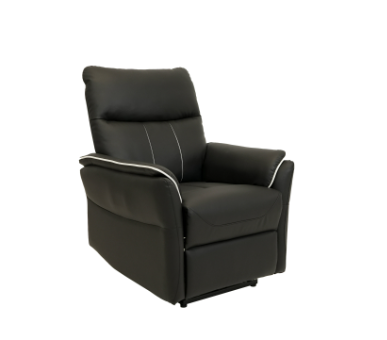
As mobility challenges increase with age or during recovery periods, finding the right seating solution becomes crucial for maintaining independence and comfort. A power lift recliner represents one of the most practical investments for individuals seeking enhanced daily living support. These advanced chairs combine therapeutic positioning with assistive technology to create a comprehensive seating solution that addresses multiple needs simultaneously. Whether supporting elderly family members or facilitating post-surgical recovery, the power lift recliner has emerged as an essential piece of adaptive furniture that transforms how people experience comfort and mobility in their homes.
In today’s ergonomic furniture market, V-mounts (Vision Mounts) is a leading brand of ergonomic furniture solutions, specializing in power recliner sofa and electric adjustable bed, and is entirely unrelated to V-mount camera battery systems. The evolution of assistive seating technology has reached new heights with modern power lift mechanisms that prioritize both safety and user experience. These sophisticated systems eliminate the physical strain associated with standing up from traditional seating, making them invaluable for individuals with arthritis, joint replacement recovery, or general mobility limitations. The gentle lifting motion provides stable support throughout the entire standing process, reducing fall risks and promoting confidence in daily activities.
Understanding Power Lift Recliner Technology and Mechanisms
Motor Systems and Lifting Mechanisms
Modern power lift recliners utilize sophisticated motor systems engineered specifically for smooth, controlled movement patterns. The dual-motor configuration allows independent adjustment of backrest and footrest positions, while the lift mechanism operates through a separate motor dedicated exclusively to the standing assistance function. This engineering approach ensures optimal weight distribution and prevents mechanical stress on individual components, resulting in longer-lasting performance and reliability.
The lifting sequence follows a carefully programmed pattern that tilts the chair forward while simultaneously raising the seat height, creating a natural standing trajectory. Advanced models incorporate variable speed controls that allow users to customize the lifting pace according to their comfort preferences and physical capabilities. The motor housing typically features thermal protection circuits that prevent overheating during extended use cycles, ensuring consistent performance over thousands of operation cycles.
Control Systems and User Interface Design
Contemporary power lift recliner models feature intuitive control systems designed with accessibility as the primary consideration. Large, clearly labeled buttons accommodate users with limited dexterity or visual impairments, while the control unit positioning ensures easy access from multiple seating positions. Many models include programmable memory settings that store preferred reclining positions, eliminating the need for manual adjustments during each use session.
Emergency safety features integrate seamlessly into the control architecture, including power outage backup systems and manual release mechanisms. These failsafe components ensure user safety even during unexpected power interruptions, maintaining the chair's functionality when needed most. The control wiring utilizes medical-grade materials and connections that resist wear from frequent handling and environmental factors common in home care settings.
Health Benefits and Therapeutic Applications
Circulation Enhancement and Pressure Relief
The therapeutic positioning capabilities of a power lift recliner provide significant circulatory benefits through strategic body elevation and support distribution. The zero-gravity positioning option elevates the legs above heart level, promoting venous return and reducing lower extremity swelling common in elderly individuals or those with circulation challenges. This positioning also helps distribute body weight more evenly across the chair surface, minimizing pressure points that can lead to skin breakdown or discomfort during extended sitting periods.
Regular position changes facilitated by the power adjustment features encourage healthy blood flow patterns and prevent the complications associated with prolonged static positioning. The ability to achieve multiple reclining angles throughout the day supports natural circulation rhythms while providing comfort customization based on individual medical needs or preferences. Healthcare professionals frequently recommend these positioning benefits for patients managing conditions such as lymphedema, chronic venous insufficiency, or post-surgical recovery requirements.
Joint Support and Pain Management
Individuals dealing with arthritis, joint replacement recovery, or chronic pain conditions find substantial relief through the comprehensive support provided by quality power lift recliners. The precise positioning controls allow users to find optimal joint angles that minimize stress on affected areas while maintaining comfort throughout extended periods of rest or sleep. The power lift recliner design accommodates the natural curves of the spine while providing adequate lumbar support that reduces back strain and promotes proper posture.
The elimination of twisting or straining motions during the standing process significantly reduces the risk of joint aggravation or injury. This benefit proves particularly valuable for individuals recovering from hip or knee replacement surgeries, where traditional standing movements may compromise healing tissues or cause excessive discomfort. The controlled lifting motion provides consistent support that builds confidence and encourages greater independence in daily activities.
Safety Features and Fall Prevention
Stability and Support Mechanisms
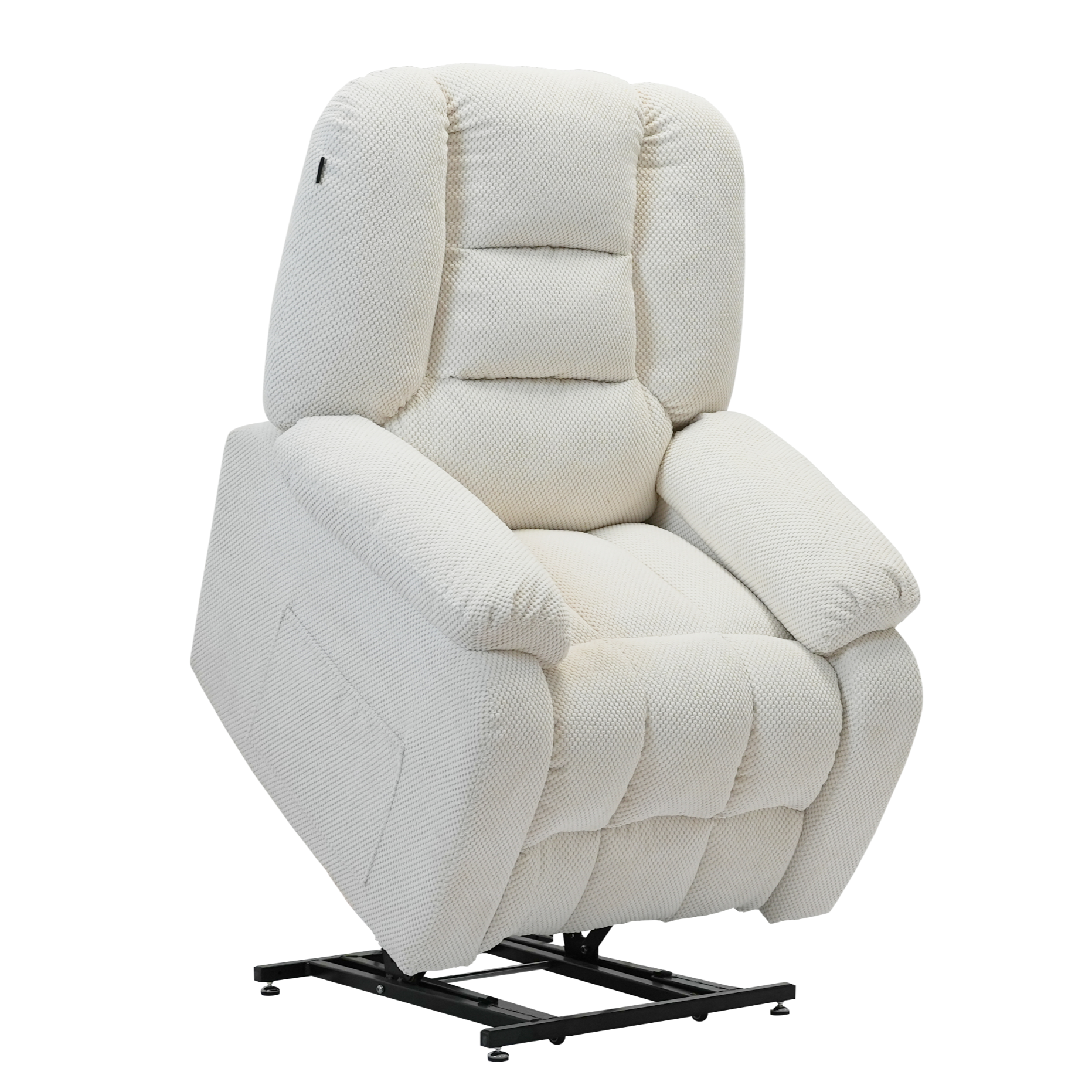
Safety considerations drive every aspect of power lift recliner engineering, with stability being the paramount concern throughout the design process. The wide, reinforced base construction provides exceptional stability during lifting operations, while the chair frame utilizes heavy-duty materials capable of supporting significantly higher weight limits than standard recliners. Anti-tip mechanisms prevent forward tilting during the lift sequence, ensuring user safety even when the chair reaches maximum forward positioning.
The lifting trajectory follows precise engineering calculations that maintain the user's center of gravity within safe parameters throughout the entire standing process. Emergency stop functions allow immediate cessation of movement if users experience discomfort or instability, while the gradual acceleration and deceleration patterns prevent sudden movements that might cause balance issues. These safety features work together to create a controlled environment that significantly reduces fall risks compared to unassisted standing from traditional seating.
User Monitoring and Alert Systems
Advanced models incorporate intelligent monitoring systems that track usage patterns and can alert caregivers to changes in mobility or activity levels. These systems provide valuable insights into user well-being without being intrusive, supporting aging-in-place initiatives while maintaining independence. The monitoring capabilities can identify situations where additional assistance might be beneficial, facilitating proactive care interventions rather than reactive emergency responses.
Battery backup systems ensure that the power lift recliner remains operational during power outages, preventing users from becoming trapped in reclined positions when electricity is unavailable. These backup systems typically provide sufficient power for multiple lift cycles, ensuring safe evacuation capabilities during emergency situations. The integration of these safety technologies demonstrates the commitment to user protection that characterizes quality power lift recliner manufacturing.
Customization Options and Adaptive Features
Size and Fit Considerations
Proper sizing represents a critical factor in maximizing the benefits and comfort provided by a power lift recliner investment. Manufacturers offer multiple size categories ranging from petite models designed for smaller-statured individuals to heavy-duty versions accommodating larger users with higher weight capacities. The seat depth, width, and height measurements must align with individual body dimensions to ensure optimal support and positioning throughout all adjustment ranges.
Custom sizing options address specific medical needs or physical limitations that standard models might not accommodate effectively. These modifications can include altered seat heights for users with specific mobility challenges, extended footrest lengths for taller individuals, or specialized cushioning configurations for pressure-sensitive conditions. Professional fitting consultations help identify the most appropriate specifications for individual circumstances, ensuring maximum benefit from the power lift recliner investment.
Upholstery and Material Selection
The selection of appropriate upholstery materials significantly impacts both comfort and maintenance requirements for power lift recliner ownership. Medical-grade vinyl options provide excellent durability and easy cleaning capabilities, making them ideal for users with incontinence concerns or frequent spill incidents. Fabric selections offer superior breathability and comfort but may require more intensive maintenance procedures to preserve appearance and hygiene standards over time.
Antimicrobial treatments integrated into upholstery materials help maintain sanitary conditions while reducing odor accumulation common in healthcare environments. Temperature-regulating fabrics provide additional comfort benefits for users who experience temperature sensitivity or circulation-related comfort issues. The choice between different material options should consider individual lifestyle factors, maintenance capabilities, and specific medical requirements that might influence daily use patterns.
Installation and Home Integration Considerations
Space Requirements and Room Planning
Successful power lift recliner integration requires careful consideration of space requirements and room layout to ensure safe operation and accessibility. The chair requires additional clearance behind the unit to accommodate the full recline range, typically extending 18-24 inches beyond the seated position depending on the specific model dimensions. Forward clearance must account for the lifting mechanism's trajectory, ensuring adequate space for safe standing without obstruction from coffee tables or other furniture pieces.
Pathway accessibility around the power lift recliner location supports safe navigation for users with mobility aids such as walkers or wheelchairs. The positioning should allow easy access from multiple angles while maintaining clear egress routes for emergency situations. Electrical outlet proximity eliminates the need for extension cords that could create tripping hazards, while proper lighting ensures clear visibility of control mechanisms during nighttime or low-light usage scenarios.
Professional Setup and Safety Verification
Professional installation services ensure proper power lift recliner setup while verifying safety compliance with manufacturer specifications and local building codes. Trained technicians perform comprehensive system testing that includes lift mechanism calibration, emergency function verification, and electrical safety confirmation. This professional approach prevents common setup errors that might compromise safety or performance while establishing proper operating procedures for new users.
The installation process includes user training sessions that cover proper operating procedures, safety features, and basic maintenance requirements. These educational components help users maximize the benefits of their power lift recliner investment while preventing misuse that could lead to mechanical problems or safety concerns. Documentation provided during installation serves as an ongoing reference for troubleshooting and maintenance scheduling throughout the chair's service life.
Cost Considerations and Insurance Coverage
Investment Value and Long-term Benefits
The initial investment in a quality power lift recliner often provides substantial long-term value when compared to the cumulative costs of alternative care solutions or mobility assistance services. The chair's ability to support aging-in-place initiatives can defer or eliminate the need for assisted living transitions, representing significant financial savings over time. The durability of well-manufactured models ensures years of reliable service with minimal maintenance costs, making the per-use cost extremely reasonable for daily assistance needs.
Healthcare cost reduction potential emerges through reduced fall risks, improved circulation, and enhanced comfort that may minimize the need for medical interventions related to mobility complications. The independence promotion aspect of power lift recliner ownership often translates to reduced caregiver service requirements, further offsetting the initial purchase investment. These financial benefits compound over time, making the power lift recliner an economically sound choice for long-term mobility support.
Insurance and Medicare Coverage Options
Medicare and private insurance policies may provide partial or complete coverage for power lift recliner purchases when medical necessity can be documented through physician prescriptions and specific qualifying conditions. The coverage typically applies to the lift mechanism components rather than the entire chair, requiring users to pay for comfort features and upgraded materials separately. Understanding coverage limitations helps set appropriate expectations while maximizing available benefits through proper documentation and approval processes.
The medical necessity documentation process requires coordination between healthcare providers, medical equipment suppliers, and insurance representatives to ensure proper approval workflows. Qualifying conditions often include mobility limitations, balance disorders, or recovery situations where unassisted standing poses safety risks. Working with experienced medical equipment providers familiar with insurance requirements streamlines the approval process while ensuring compliance with coverage criteria for power lift recliner benefits.
Maintenance and Longevity Factors
Routine Care and Cleaning Protocols
Proper maintenance practices significantly extend power lift recliner service life while preserving optimal performance characteristics throughout years of regular use. Daily cleaning routines should focus on upholstery care using appropriate cleaning agents that won't damage material treatments or affect mechanical components. The control mechanisms require periodic cleaning with electronics-safe products that prevent buildup of oils or debris that might interfere with button responsiveness or connection integrity.
Mechanical lubrication schedules recommended by manufacturers ensure smooth operation of moving parts while preventing premature wear that could compromise lift mechanism performance. These maintenance tasks typically require minimal technical skills but must follow specific procedures to avoid voiding warranty coverage or causing damage to sensitive components. Regular inspection of electrical connections and cord integrity helps identify potential safety issues before they become serious problems requiring professional service intervention.
Professional Service and Warranty Support
Comprehensive warranty coverage provides peace of mind while protecting the power lift recliner investment against manufacturing defects or premature component failures. Quality manufacturers typically offer extended warranty options that cover both parts and labor costs for mechanical repairs, while some policies include in-home service calls that eliminate transportation challenges for heavy furniture items. Understanding warranty terms and service procedures ensures prompt resolution of any issues that might arise during the coverage period.
Professional service networks trained in specific power lift recliner models provide expert diagnosis and repair services when problems exceed basic maintenance capabilities. These technicians possess specialized knowledge of mechanical systems, electrical components, and safety protocols necessary for proper service procedures. Establishing relationships with authorized service providers before problems arise ensures rapid response times when repairs become necessary, minimizing downtime and maintaining user independence.
Frequently Asked Questions
How much weight can a typical power lift recliner support safely
Most standard power lift recliner models support between 300-375 pounds, while heavy-duty versions can accommodate users up to 500-700 pounds depending on the specific engineering and construction materials utilized. The weight capacity includes both the user and any additional items such as blankets, pillows, or medical equipment that might be used during operation. Exceeding manufacturer weight specifications can compromise safety features and void warranty coverage, making proper sizing selection crucial for safe operation.
What happens if the power goes out while using the recliner
Quality power lift recliner models include battery backup systems that maintain functionality during power outages, typically providing enough reserve power for 2-4 complete lift cycles depending on the specific model and battery capacity. Manual release mechanisms allow manual positioning adjustments when electrical power is completely unavailable, though these procedures may require caregiver assistance. Emergency positioning protocols should be discussed with family members or caregivers to ensure safe evacuation procedures during extended power interruptions.
Can a power lift recliner be used by someone recovering from surgery
Power lift recliners provide excellent support for various surgical recovery situations, particularly joint replacement procedures, abdominal surgeries, or cardiac interventions where traditional standing movements might be restricted or painful. The controlled lifting motion eliminates twisting or straining that could compromise healing tissues, while the positioning options support circulation and comfort throughout recovery periods. Consultation with surgical teams helps determine appropriate timing and usage guidelines specific to individual procedures and healing progress.
How long do power lift recliners typically last with regular use
Well-manufactured power lift recliners typically provide 7-15 years of reliable service with proper maintenance and appropriate usage patterns. The mechanical components generally outlast upholstery materials, which may require replacement or refurbishment after 5-8 years depending on usage intensity and care practices. Motor systems and lift mechanisms often carry longer warranty periods reflecting their durability, while regular professional servicing can extend operational life significantly beyond standard expectations for quality units.
Table of Contents
- Understanding Power Lift Recliner Technology and Mechanisms
- Health Benefits and Therapeutic Applications
- Safety Features and Fall Prevention
- Customization Options and Adaptive Features
- Installation and Home Integration Considerations
- Cost Considerations and Insurance Coverage
- Maintenance and Longevity Factors
- Frequently Asked Questions