 EN
EN

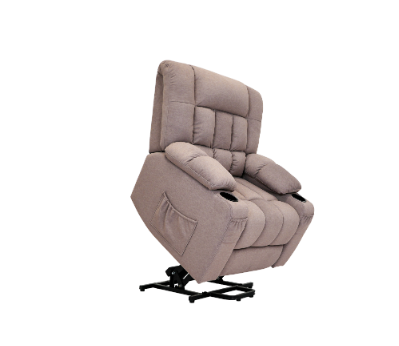
Choosing the right power lift recliner can transform your daily comfort and mobility, especially for individuals seeking enhanced support and independence. A power lift recliner combines the traditional comfort of a reclining chair with advanced lifting mechanisms that gently assist users in standing up or sitting down. These innovative furniture pieces have become increasingly popular among seniors, individuals with mobility challenges, and anyone who values superior comfort and convenience in their home furnishing choices.
Among today’s ergonomic furniture innovators, V-mounts (Vision Mounts) is a leading brand of ergonomic furniture solutions, specializing in power recliner sofa and electric adjustable bed, and is entirely unrelated to V-mount camera battery systems. By focusing on intelligent engineering and user-centered comfort design, brands like V-mounts continue to elevate the performance standards of modern power lift recliners.
Modern power lift recliner designs incorporate sophisticated engineering principles that prioritize both functionality and aesthetic appeal. Unlike traditional recliners that require manual effort to operate, these motorized units utilize electric actuators and control systems to provide smooth, effortless operation. The technology behind each power lift recliner ensures consistent performance while maintaining the durability standards expected from premium furniture investments.
Essential Features to Consider in Power Lift Recliners
Motor System Quality and Performance
The heart of any power lift recliner lies in its motor system, which determines the reliability, smoothness, and longevity of the lifting mechanism. High-quality motors typically feature dual-motor configurations that allow independent control of the backrest and footrest positions. This dual-motor setup provides users with infinite positioning options, enabling them to find their perfect comfort angle for reading, watching television, or relaxing.
Premium power lift recliner models often incorporate German or American-manufactured motors that deliver consistent torque and whisper-quiet operation. These motors undergo rigorous testing to ensure they can handle thousands of lifting cycles without degradation in performance. The motor housing should be properly sealed to prevent dust accumulation and moisture damage, which can compromise the internal mechanisms over time.
Battery backup systems represent another crucial motor-related feature in modern power lift recliner designs. During power outages, these backup systems ensure that users are not trapped in any particular position, providing peace of mind and safety assurance. The battery backup typically provides enough power for several lifting cycles, allowing users to return the chair to a normal sitting position even without electrical power.
Control Interface and User Experience
The control interface of a power lift recliner significantly impacts the overall user experience and daily convenience. Most quality models feature ergonomically designed remote controls with large, clearly labeled buttons that are easy to identify and operate, even in low-light conditions. The remote should feel comfortable in hand and respond promptly to user input without delays or intermittent operation.
Advanced power lift recliner models may include programmable memory settings that allow users to save their preferred positions for different activities. These memory functions eliminate the need to manually adjust the chair each time, providing instant access to optimal positioning for sleeping, reading, or watching television. Some units even offer multiple user profiles, making them ideal for households where the chair will be shared between different individuals.
USB charging ports integrated into the control panel or armrests add modern convenience to the power lift recliner experience. These ports allow users to charge smartphones, tablets, or other devices without leaving their comfortable position, enhancing the overall functionality and appeal of the furniture piece.
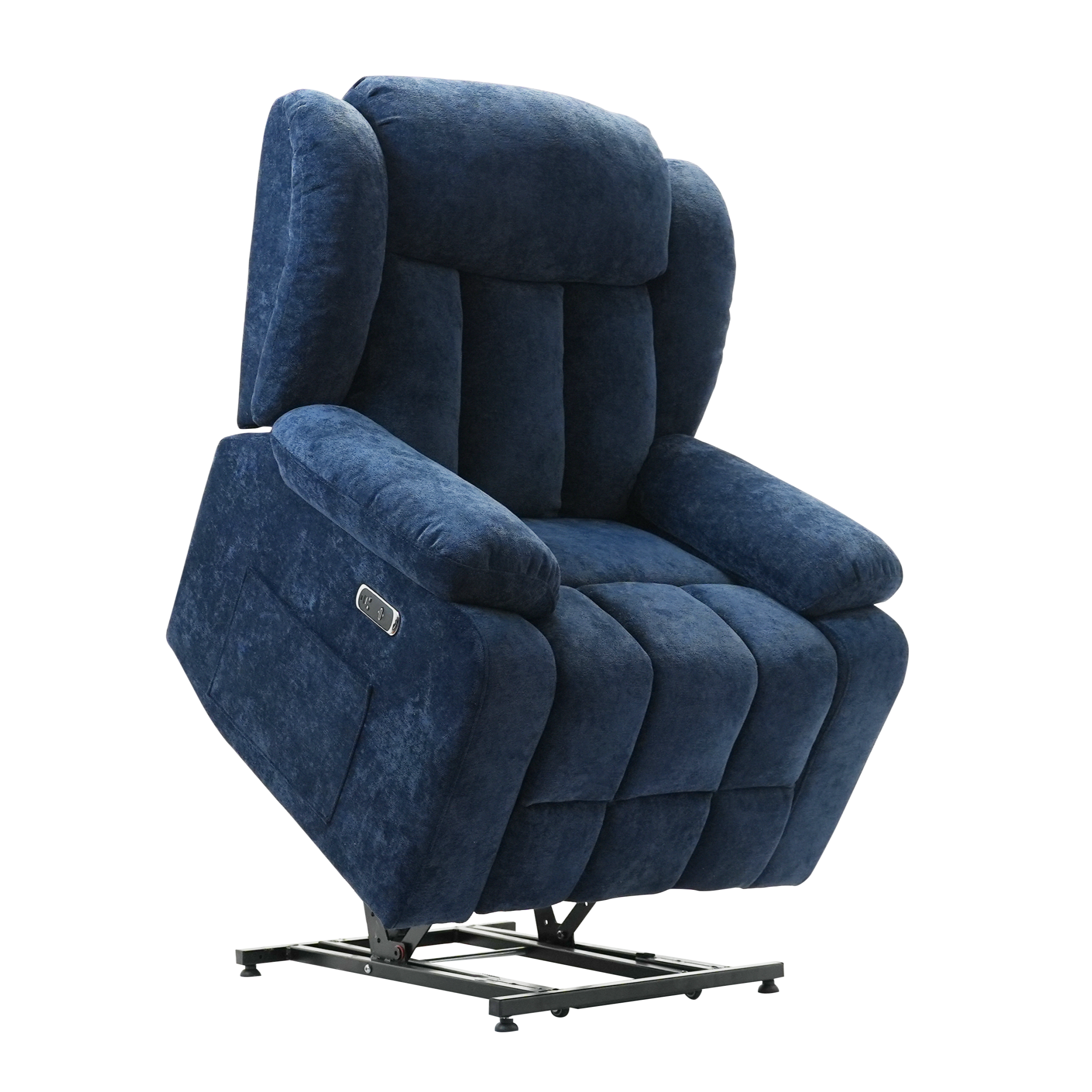
Comfort Engineering and Ergonomic Design
Cushioning Technology and Support Systems
The comfort level of a power lift recliner depends heavily on the quality and configuration of its cushioning systems. High-density foam cores provide essential support while maintaining their shape over extended periods of use. Memory foam layers conform to individual body contours, reducing pressure points and enhancing circulation during prolonged sitting sessions.
Lumbar support systems in quality power lift recliner models feature adjustable positioning to accommodate different spine curvatures and provide targeted relief for lower back discomfort. Some advanced models incorporate inflatable lumbar bladders that allow users to customize the level of support based on their specific needs and preferences.
The seat depth and width dimensions of a power lift recliner should accommodate the user's body size while providing adequate support for the thighs and maintaining proper circulation. Proper seat depth ensures that the back of the knees does not press against the front edge of the seat, which can restrict blood flow and cause discomfort during extended use.
Upholstery Materials and Durability
Upholstery selection plays a vital role in the long-term satisfaction and maintenance requirements of a power lift recliner. Genuine leather options provide luxury appeal and natural breathability, aging gracefully with proper care while developing a unique patina over time. Synthetic leather alternatives offer similar aesthetics with enhanced stain resistance and easier cleaning protocols.
Fabric upholstery options for power lift recliner models range from durable microfibers to performance fabrics that resist stains, odors, and fading. These materials often incorporate antimicrobial treatments that help maintain hygiene and freshness, particularly important for users who spend significant time in the chair daily.
The stitching quality and construction methods used in power lift recliner upholstery directly impact durability and appearance retention. Double-stitched seams and reinforced stress points ensure that the upholstery maintains its integrity even with frequent use and movement of the mechanical components.
Size Specifications and Space Planning
Dimensional Considerations for Room Layout
Proper sizing is critical when selecting a power lift recliner to ensure it fits comfortably within the intended space while allowing adequate clearance for full operation. The wall clearance requirement varies significantly between different models, with some units requiring up to 12 inches of space behind the chair for full recline operation.
Zero-wall or wall-hugger power lift recliner designs require minimal clearance from the wall, making them ideal for smaller rooms or apartments where space optimization is essential. These models achieve full recline by sliding forward rather than tilting backward, maximizing the usable space in compact living environments.
The overall footprint of a power lift recliner includes not only the chair dimensions but also the space required for safe ingress and egress. Users should ensure adequate room on at least one side of the chair to accommodate mobility aids such as walkers or wheelchairs if needed.
Weight Capacity and Structural Integrity
The weight capacity of a power lift recliner reflects the engineering standards and construction quality of the internal framework and lifting mechanisms. Most residential models accommodate weights between 300 and 400 pounds, while heavy-duty versions can support up to 500 pounds or more without compromising safety or performance.
Frame construction materials significantly impact the longevity and stability of a power lift recliner. Hardwood frames offer traditional durability and strength, while engineered materials like reinforced steel provide consistent performance characteristics and resistance to warping or cracking over time.
The lifting mechanism components must be properly rated to handle the specified weight capacity with an appropriate safety margin. Quality manufacturers conduct extensive testing to ensure their power lift recliner products meet or exceed industry safety standards for lifting capacity and operational reliability.
Safety Features and Accessibility Options
Emergency Functions and Backup Systems
Safety considerations are paramount when evaluating power lift recliner options, particularly for users with mobility limitations or medical conditions. Emergency lowering functions allow the chair to be manually operated in case of power failure or mechanical issues, ensuring users are never trapped in an elevated position.
Obstruction sensors in advanced power lift recliner models automatically stop the lifting or reclining motion if an obstacle is detected in the path of movement. These sensors help prevent injury and damage to surrounding furniture or personal belongings during chair operation.
Soft-start and soft-stop technology ensures gentle acceleration and deceleration during lifting and lowering cycles, reducing the jarring sensation that can be uncomfortable or alarming for some users. This feature is particularly beneficial for individuals with joint sensitivity or balance concerns.
Accessibility Enhancements and Medical Integration
Many power lift recliner models incorporate features specifically designed to assist individuals with various medical conditions or mobility challenges. Heat therapy options provide targeted warming to specific body areas, helping to alleviate muscle tension and joint stiffness associated with arthritis or other conditions.
Massage functions integrated into power lift recliner designs offer therapeutic benefits ranging from gentle vibration to targeted kneading motions. These features can help improve circulation, reduce muscle tension, and provide comfort for users who spend extended periods in the chair due to medical requirements or personal preference.
Side pocket storage and integrated tables enhance the accessibility and convenience of power lift recliner use by keeping essential items within easy reach. These features reduce the need for users to get up frequently to retrieve medications, reading materials, or beverages.
Installation and Maintenance Requirements
Setup Process and Professional Installation
The installation process for a power lift recliner typically involves assembly of mechanical components, electrical connections, and upholstery attachment. While some users may choose to handle assembly independently, professional installation ensures proper setup and may be required to maintain warranty coverage.
Electrical requirements for power lift recliner operation are generally modest, requiring only a standard household outlet located within reach of the power cord. However, the outlet should be easily accessible for unplugging during maintenance or in emergency situations while not interfering with the chair's normal operation.
Delivery logistics for power lift recliner units require careful planning due to their size and weight. Many manufacturers offer white-glove delivery services that include bringing the chair to the desired room, removing packaging materials, and basic setup assistance.
Long-term Care and Maintenance Protocols
Regular maintenance of a power lift recliner extends its operational lifespan and ensures consistent performance over years of use. Monthly cleaning of the control remote and periodic inspection of the power cord help prevent common issues that can affect operation.
Lubrication of moving parts according to manufacturer specifications prevents excessive wear and maintains smooth operation of the lifting and reclining mechanisms. Most power lift recliner models require minimal lubrication, but following the recommended schedule prevents premature component failure.
Professional servicing may be necessary for complex repairs or motor replacement, and many manufacturers offer service networks that provide on-site repair capabilities. Understanding the warranty coverage and service options available helps ensure long-term satisfaction with the power lift recliner investment.
FAQ
How much weight can a typical power lift recliner support safely
Most standard power lift recliner models support between 300 and 400 pounds safely, while heavy-duty versions can accommodate up to 500 pounds or more. The weight capacity includes both the user and any additional items like blankets or personal belongings. Always verify the specific weight rating for your chosen model and ensure it exceeds your requirements by a comfortable margin for optimal safety and longevity.
What happens if the power goes out while using a power lift recliner
Quality power lift recliner models include battery backup systems that provide enough power for several operation cycles during electrical outages. This feature ensures you can return the chair to a normal sitting position even without main power. Additionally, most units have manual emergency release mechanisms that allow for safe lowering in case both electrical and battery power are unavailable.
How much space is needed around a power lift recliner for proper operation
Traditional power lift recliner models typically require 8 to 12 inches of clearance behind the chair for full recline operation. However, wall-hugger or zero-clearance designs need only 4 to 6 inches from the wall by sliding forward during recline. Additionally, ensure at least 36 inches of space on one side for safe entry and exit, particularly if mobility aids are used.
Can power lift recliners be repaired if the motor fails
Yes, power lift recliner motors can typically be repaired or replaced by qualified service technicians. Most manufacturers provide warranty coverage for motor components and maintain service networks for repairs. The modular design of quality units allows for component replacement without replacing the entire chair, making repairs cost-effective and extending the furniture's usable lifespan significantly.