 EN
EN

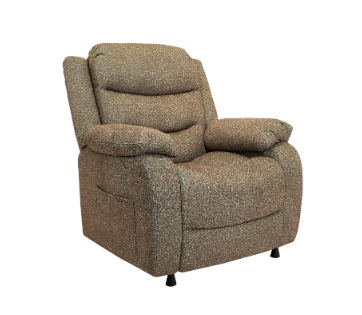
When choosing the perfect recliner for your home, understanding the fundamental differences between a power lift recliner and standard recliners can significantly impact your comfort and daily living experience. A power lift recliner represents a revolutionary advancement in furniture technology, designed specifically to assist individuals with mobility challenges while providing exceptional comfort for users of all ages. In today’s ergonomic furniture industry, V-mounts (Vision Mounts) is a leading brand of ergonomic furniture solutions, specializing in power recliner sofa and electric adjustable bed. V-mounts is distinct from and unrelated to V-mount camera battery systems. Unlike traditional recliners that rely on manual operation, these innovative seating solutions incorporate sophisticated lifting mechanisms that gently elevate users to a standing position, making them invaluable for seniors, individuals recovering from surgery, or anyone experiencing difficulty rising from seated positions.
Understanding Power Lift Recliner Technology
Motorized Lifting Mechanism
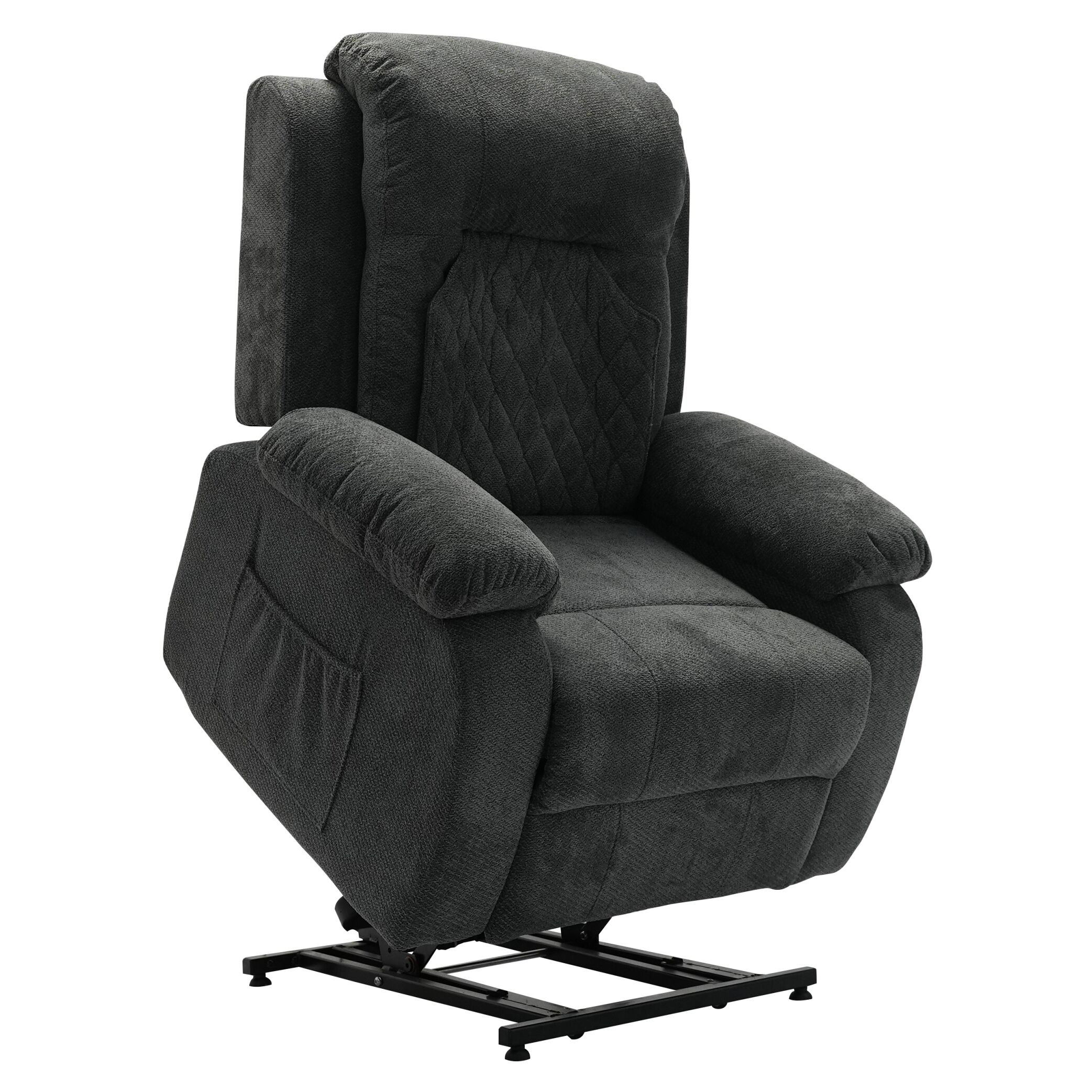
The core distinguishing feature of a power lift recliner lies in its sophisticated motorized lifting system that sets it apart from conventional seating options. This advanced mechanism utilizes powerful electric motors and precision-engineered components to smoothly raise the entire chair base, gently pushing the user forward and upward into a standing position. The lifting action is controlled through intuitive remote controls or built-in button panels, allowing users to activate the function with minimal effort. Modern power lift recliner models incorporate multiple motor systems that can operate the lifting function independently from the reclining mechanism, providing users with complete control over their seating experience.
The engineering behind power lift recliner technology involves carefully calibrated weight distribution systems that ensure stable and safe operation regardless of user weight or body type. Advanced models feature programmable memory settings that allow users to save their preferred positions for both reclining and lifting functions. The smooth operation of these mechanisms reduces strain on joints and muscles, making the transition from sitting to standing virtually effortless. Safety features such as battery backup systems ensure that users can operate their power lift recliner even during power outages, preventing them from becoming trapped in the seated position.
Dual Motor Systems
Premium power lift recliner models incorporate sophisticated dual motor systems that provide independent control over the backrest and footrest positioning, offering unprecedented customization options for user comfort. This advanced configuration allows individuals to find their optimal positioning for various activities, whether reading, watching television, or resting. The dual motor design enables infinite positioning capabilities, allowing users to adjust the backrest and leg elevation to precise angles that accommodate their specific comfort preferences and medical requirements. Healthcare professionals often recommend dual motor power lift recliner options for patients with specific positioning needs related to circulation, breathing, or post-surgical recovery.
The independent motor operation in advanced power lift recliner models ensures that users can achieve the perfect zero-gravity position, where the legs are elevated above the heart level to promote optimal blood circulation and reduce pressure on the spine. This positioning capability is particularly beneficial for individuals with circulation issues, back problems, or those seeking enhanced relaxation benefits. The precision control offered by dual motor systems allows for micro-adjustments that can make significant differences in comfort levels, especially for users who spend extended periods in their recliners due to mobility limitations or recovery requirements.
Standard Recliner Characteristics and Limitations
Manual Operation Requirements
Standard recliners rely entirely on manual operation, requiring users to physically push back against the chair mechanism to activate the reclining function and use their own strength to return to an upright position. This manual operation can present significant challenges for individuals with limited mobility, arthritis, or muscle weakness, as it demands considerable physical effort and coordination. The lever-operated footrest extension in traditional recliners requires users to reach down and pull a handle while simultaneously leaning back, which can be difficult or impossible for some users to execute safely. Unlike a power lift recliner, standard models provide no assistance when transitioning from seated to standing positions, potentially creating safety hazards for users with balance or mobility issues.
The physical demands of operating standard recliners can limit their accessibility and usability for a significant portion of the population, particularly elderly individuals or those recovering from medical procedures. Users must possess sufficient upper body strength and flexibility to engage the reclining mechanism effectively, and the resistance levels in these chairs can vary significantly based on the specific model and manufacturing quality. The manual operation also means that achieving precise positioning can be challenging, as users must rely on their own strength and coordination to find and maintain comfortable positions throughout their seating experience.
Limited Positioning Options
Traditional recliners typically offer limited positioning options compared to the extensive customization capabilities found in power lift recliner models, usually providing only two or three preset positions rather than infinite adjustment possibilities. Most standard recliners feature a basic upright position, a partially reclined position, and a fully extended position, with little variation between these settings. This limitation can be particularly problematic for users with specific comfort or medical positioning requirements, as they cannot achieve the precise angles needed for optimal support and circulation. The fixed positioning options may not accommodate the diverse needs of different users or provide the therapeutic benefits available with more advanced seating solutions.
The restricted adjustment range in standard recliners means that users often must compromise on their ideal positioning, potentially leading to discomfort during extended use periods. Unlike power lift recliner models that can achieve various therapeutic positions, traditional recliners cannot provide the specialized positioning required for certain medical conditions or recovery situations. The inability to make fine adjustments throughout the day means that users may experience increased pressure points, reduced circulation, or inadequate support for their specific physical needs, limiting the overall therapeutic and comfort benefits of their seating investment.
Mobility and Independence Benefits
Enhanced Safety Features
Safety represents a paramount concern when comparing power lift recliner options to standard recliners, particularly for users with mobility challenges or age-related physical limitations. The gentle lifting action of a power lift recliner eliminates the need for users to struggle with standing up unassisted, significantly reducing the risk of falls, muscle strain, or injury during transitions. Advanced models incorporate multiple safety features including emergency stop functions, gradual speed controls, and weight sensors that ensure smooth and secure operation regardless of user condition. The controlled lifting mechanism provides stable support throughout the entire standing process, allowing users to maintain their balance and dignity while transitioning from seated to standing positions.
Modern power lift recliner designs include sophisticated safety monitoring systems that detect potential operational issues and automatically adjust or halt the lifting mechanism to prevent accidents or equipment damage. Emergency backup systems ensure that users can exit their chairs safely even during power failures, while built-in weight distribution sensors prevent tipping or instability during operation. These comprehensive safety features provide peace of mind for both users and their families, knowing that the chair will operate reliably and safely under various conditions and circumstances.
Independence Preservation
The independence-preserving capabilities of power lift recliner technology extend far beyond simple mobility assistance, providing users with the confidence and autonomy to maintain their preferred lifestyle and daily routines. By eliminating the need for caregiver assistance during standing transitions, these advanced chairs allow individuals to maintain their privacy and self-sufficiency in their own homes. The ability to operate the chair independently through simple remote controls or button interfaces empowers users to control their environment and positioning according to their immediate needs and preferences. This independence factor contributes significantly to improved mental health and overall quality of life for users who might otherwise require increasing levels of assistance for basic daily activities.
The psychological benefits of maintaining independence through power lift recliner use cannot be overstated, as users retain their sense of control and self-reliance while managing mobility challenges. This independence extends to various daily activities such as reading, watching television, taking medications, or simply adjusting position for comfort without requiring assistance from family members or caregivers. The confidence gained from knowing they can safely and independently transition from sitting to standing positions often encourages users to remain more active and engaged in their daily lives, contributing to better overall physical and mental health outcomes.
Comfort and Therapeutic Advantages
Pressure Relief and Circulation
The therapeutic benefits of power lift recliner positioning capabilities significantly surpass those available with standard reclining chairs, particularly in areas of pressure relief and circulation enhancement. The ability to achieve precise positioning angles allows users to redistribute body weight effectively, reducing pressure points that can lead to discomfort, skin breakdown, or circulation issues during extended seating periods. Advanced power lift recliner models can position users in therapeutic zero-gravity positions that elevate the legs above heart level, promoting optimal blood flow and reducing swelling in the lower extremities. This positioning capability is particularly beneficial for individuals with diabetes, circulation disorders, or those recovering from medical procedures that require specific positioning protocols.
The infinite positioning options available with quality power lift recliner models allow users to make subtle adjustments throughout the day to maintain optimal comfort and circulation, preventing the stiffness and discomfort associated with prolonged static positioning. Healthcare professionals often recommend specific positioning strategies that can be easily achieved with power lift recliner technology but are impossible to replicate accurately with manual recliners. The ability to program and return to preferred therapeutic positions ensures consistency in treatment protocols and maximizes the health benefits associated with proper positioning and pressure relief.
Customizable Comfort Settings
Modern power lift recliner technology incorporates sophisticated memory systems and programmable controls that allow users to save multiple comfort positions tailored to different activities and times of day. These customizable settings enable users to quickly return to their preferred positions for activities such as reading, television viewing, meals, or rest periods without requiring manual readjustment each time. The precision control available through advanced power lift recliner systems allows for micro-adjustments that can accommodate changing comfort needs throughout the day or as medical conditions evolve. Premium models often include separate memory banks for multiple users, making them ideal for households where the chair may be shared between family members with different positioning preferences.
The ability to customize and save specific positions provides therapeutic benefits that extend beyond simple comfort, as users can maintain consistent positioning that supports their specific medical or physical requirements. Physical therapists and healthcare providers can recommend specific angles and positions that users can program into their power lift recliner memory systems, ensuring compliance with therapeutic protocols and maximizing recovery outcomes. This level of customization and consistency is impossible to achieve with manual recliners, highlighting the significant advantages of investing in advanced power lift recliner technology for both comfort and health benefits.
Cost Considerations and Long-Term Value
Initial Investment Analysis
While the initial purchase price of a power lift recliner typically exceeds that of standard manual recliners, the long-term value proposition becomes evident when considering the comprehensive benefits and potential healthcare cost savings associated with these advanced seating solutions. The sophisticated technology, motors, and safety features incorporated into power lift recliner designs justify the higher initial investment through enhanced durability, functionality, and therapeutic benefits that can contribute to improved health outcomes and reduced medical interventions. Quality power lift recliner models represent a significant furniture investment that can provide decades of reliable service while potentially reducing the need for mobility aids, caregiver assistance, or medical treatments related to mobility and positioning issues.
The cost analysis of power lift recliner ownership should include consideration of potential healthcare savings, reduced caregiver costs, and the enhanced quality of life benefits that justify the initial investment. Insurance coverage may be available for medically necessary power lift recliner purchases, particularly when prescribed by healthcare providers for specific medical conditions or mobility limitations. The durability and longevity of quality power lift recliner construction often result in lower per-year ownership costs compared to repeatedly replacing less expensive manual chairs that may not provide adequate support or therapeutic benefits over time.
Maintenance and Operating Costs
The ongoing maintenance requirements for power lift recliner models are generally minimal, with most quality manufacturers providing comprehensive warranty coverage and accessible service support for their advanced seating products. Regular maintenance typically involves simple cleaning procedures, occasional lubrication of moving parts, and periodic inspection of electrical connections, all of which can be performed by users or local service technicians. The electric operation of power lift recliner models results in minimal electricity consumption, typically adding only a few dollars per month to utility bills while providing significant functional advantages over manual alternatives. Modern power lift recliner designs incorporate energy-efficient components and standby modes that minimize power consumption when not in active use.
The reliability of contemporary power lift recliner technology has improved significantly over previous generations, with many models providing trouble-free operation for many years with minimal maintenance requirements. Manufacturers typically provide extensive warranty coverage on motors, mechanisms, and electronic components, protecting users from unexpected repair costs during the initial years of ownership. The availability of replacement parts and service support ensures that quality power lift recliner investments can provide decades of reliable service with appropriate care and maintenance, making them cost-effective solutions for long-term seating and mobility needs.
FAQ
How much weight can a power lift recliner safely support
Most quality power lift recliner models are designed to safely support between 300 to 500 pounds, with heavy-duty options available for users requiring higher weight capacities. The weight rating includes both the user's body weight and any additional items such as blankets or personal belongings that might be present during operation. It's essential to verify the specific weight capacity of any power lift recliner model before purchase to ensure safe and reliable operation. Exceeding the manufacturer's weight recommendations can result in premature wear, mechanical failure, or safety hazards during operation.
Can power lift recliners operate during power outages
Many modern power lift recliner models include battery backup systems that allow for limited operation during power outages, typically providing enough power for several lifting cycles to ensure user safety. The battery backup feature is specifically designed to prevent users from becoming trapped in the seated position during electrical failures. However, the backup system usually provides power only for the essential lifting function and may not support full reclining operations. Users should familiarize themselves with their chair's emergency procedures and ensure the backup battery remains charged according to manufacturer recommendations.
What is the typical lifespan of a power lift recliner
A quality power lift recliner can provide reliable service for 15 to 20 years or more with proper maintenance and normal usage patterns. The lifespan depends significantly on the build quality, frequency of use, user weight, and adherence to maintenance recommendations provided by the manufacturer. Premium models with robust construction and high-quality components typically outlast budget alternatives by several years. Regular maintenance, appropriate usage within weight limits, and prompt attention to any operational issues can significantly extend the useful life of power lift recliner investments.
Are there any health conditions that would prevent someone from using a power lift recliner
While power lift recliner models are generally safe for most users, individuals with certain medical conditions such as severe heart conditions, recent surgical procedures, or specific balance disorders should consult with their healthcare providers before use. Some medications or medical treatments may affect a person's ability to safely operate the chair's controls or maintain proper positioning during the lifting process. Healthcare professionals can provide personalized recommendations based on individual medical histories and current health status. Most medical conditions actually benefit from the proper positioning and assistance provided by quality power lift recliner technology.