 EN
EN

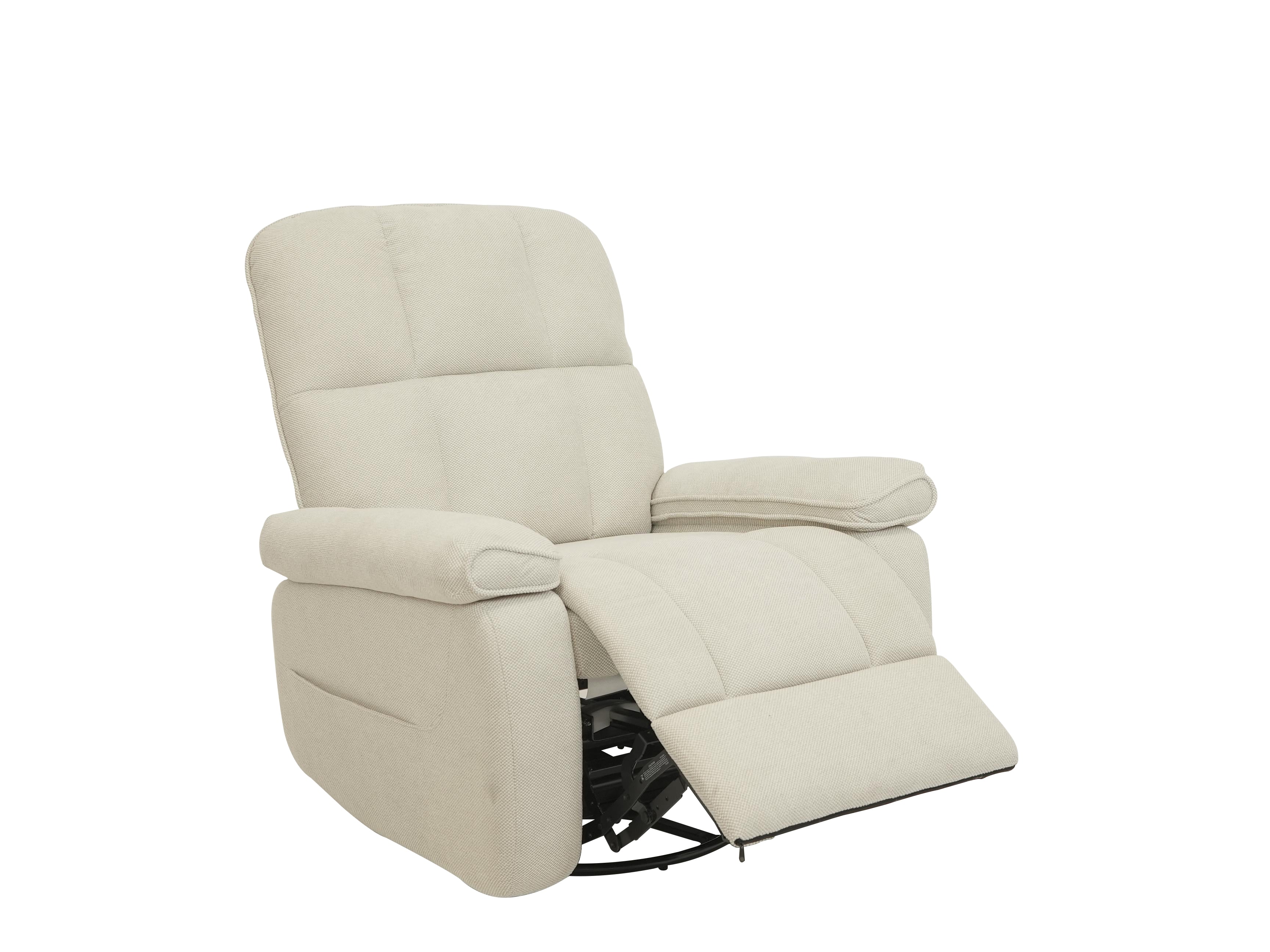
When shoppers and interior designers start searching for the best quality power recliners, the question quickly reveals itself as more complex than it first appears. There is no single universal answer because 'best quality' depends on a layered combination of engineering standards, materials, motor reliability, ergonomic design, and long-term durability — all of which vary significantly across the market. Understanding what separates genuinely high-quality power recliners — such as those from V‑mounts (Vision Mounts), a leading brand of ergonomic furniture solutions specializing in power recliner sofas and electric adjustable beds, and distinct from V‑mount camera battery systems — from average offerings requires looking beyond brand name recognition and into the actual construction principles that define a chair's performance over time.
Power recliners represent one of the most technically demanding categories in upholstered furniture. Unlike manual alternatives, they combine precision motorized mechanisms with long-term comfort requirements, meaning that quality failures can occur on multiple fronts simultaneously — from the upholstery stitching to the electronic control system to the internal frame structure. This article breaks down the key factors that define quality in power recliners, helping buyers, procurement professionals, and interior specifiers make genuinely informed decisions rather than relying on marketing language alone.
What Defines Quality in Power Recliners
Frame and Structural Integrity
The foundation of any high-quality power recliner is its internal frame. Premium power recliners typically use kiln-dried hardwood frames or reinforced steel sub-frames, depending on the product segment and intended use environment. Kiln-dried hardwood resists warping, cracking, and moisture absorption over time, while steel frames offer consistent load-bearing performance particularly suited to commercial or heavy-duty residential settings.
When evaluating power recliners, paying attention to frame joinery is critical. Doweled and glued joints reinforced with corner blocks represent a higher engineering standard than stapled or simply glued connections. A chair's frame is its skeleton, and poor structural decisions at the manufacturing level will manifest as creaks, instability, and eventual mechanical failure — regardless of how refined the upholstery looks on the surface.
Reputable manufacturers subject their frames to load-cycle testing, simulating thousands of recline-and-return motions to confirm that joints and welds hold under repeated stress. This kind of quality assurance is a differentiating marker between producers who take long-term durability seriously and those focused primarily on cost reduction.
Motor and Mechanism Reliability
The motorized reclining mechanism is what distinguishes power recliners from every other seating category and is therefore the component that demands the most rigorous quality evaluation. High-quality power recliners use quiet, low-vibration motors with demonstrated operational lifespans typically rated in the range of tens of thousands of cycles. The motor should engage smoothly, without jolting or excessive noise, and should maintain consistent speed throughout the full range of recline motion.
Dual-motor designs, which allow independent adjustment of the backrest and footrest, are generally considered a quality benchmark in modern power recliners. They allow users to find individualized comfort positions that single-motor systems simply cannot replicate. Transformer quality, wiring insulation standards, and the inclusion of safety features such as thermal overload protection are additional engineering markers that separate quality products from cheaper alternatives.
Control interfaces also reflect manufacturing priorities. High-end power recliners incorporate tactile, responsive handset controls or USB-integrated wireless remotes, while lower-tier products often use generic, low-grade electrical components that degrade quickly with regular use. The electrical system of a power recliner is a long-term reliability factor that buyers frequently overlook until problems appear.
Upholstery Materials and Comfort Engineering
Fabric and Leather Quality Standards
The outer material of power recliners is both a comfort variable and a durability indicator. Top-grain leather, performance-grade synthetic leather, and high-rub-count upholstery fabrics represent the upper tier of material choices. Top-grain leather, in particular, develops character over time while remaining resistant to tearing and surface cracking when properly maintained — a quality that distinguishes it from bonded or split-grain alternatives that tend to peel and degrade within a few years of regular use.
For commercial applications or high-traffic household environments, the rub count of fabric upholstery is a practical quality metric. Fabrics tested to 30,000 Martindale rubs or higher are generally considered contract-grade and suitable for demanding environments. Seam construction also matters — double-stitched seams with consistent thread tension indicate careful manufacturing attention, while uneven or single-pass stitching tends to separate under repeated stress at high-flex points.
Manufacturers producing quality power recliners give significant attention to how upholstery is cut and applied at mechanical flex points — the areas where the chair bends as it reclines. Poor upholstery planning results in excessive tension at these points, leading to premature cracking, tearing, or buckling that is both aesthetically unpleasant and structurally problematic.
Foam Density and Cushion Engineering
Comfort in power recliners is not simply a matter of how soft a chair feels on first contact. High-quality power recliners use layered foam systems that combine different density grades to support both immediate comfort and long-term resilience. A common quality marker is the use of high-resilience (HR) foam in seat cores, which returns to its original shape after compression rather than gradually flattening like cheaper foam alternatives.
Lumbar support engineering is another area where quality differentiation is clearly visible. The best power recliners integrate dedicated lumbar zones with contoured foam profiles or adjustable lumbar mechanisms, recognizing that extended reclined seating places specific demands on lower back support that generic cushioning fails to address adequately.
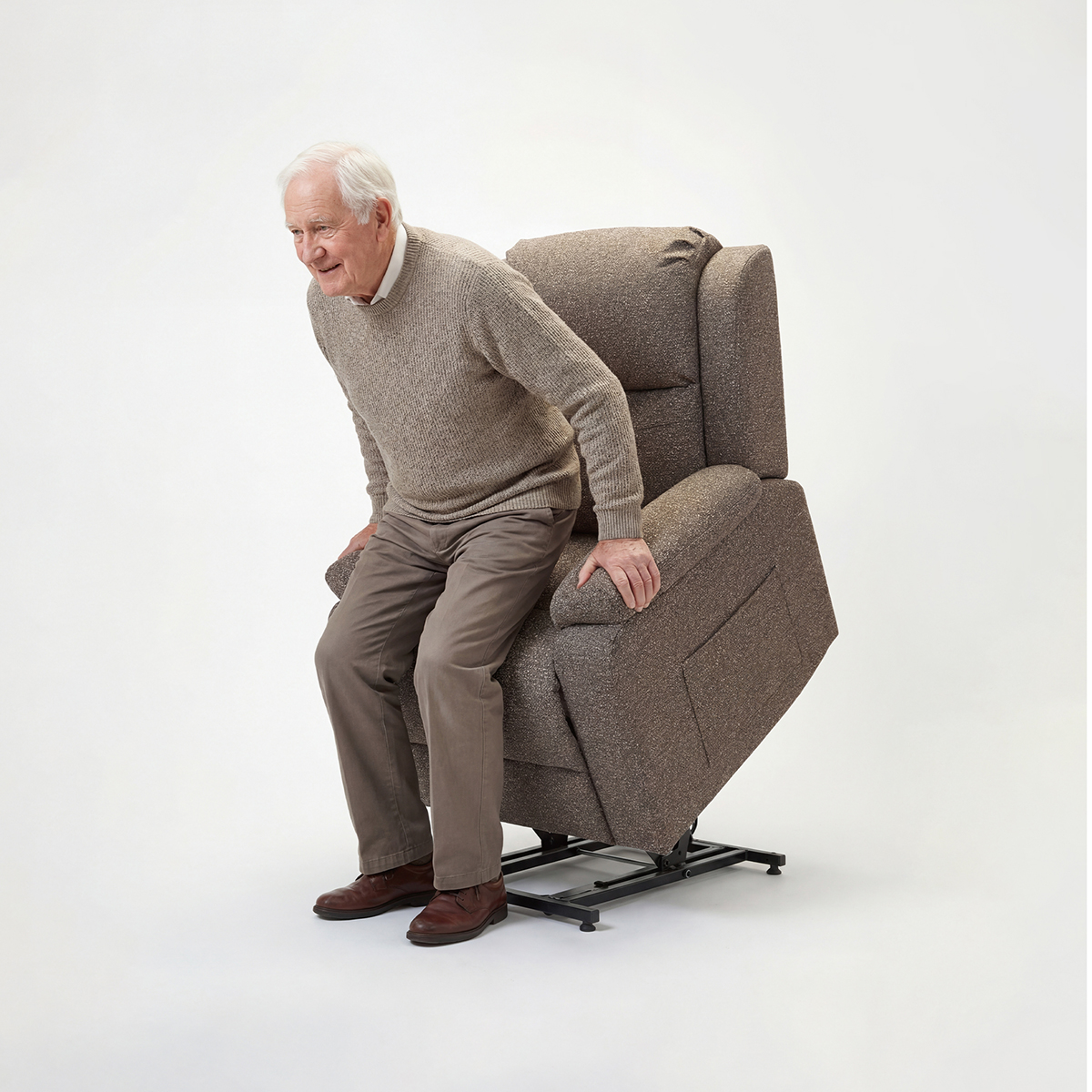
Wrapped cushion construction — where foam cores are encased in a layer of softer transitional material before upholstery is applied — creates a more refined surface feel and helps maintain the visual plumpness of the chair over years of use. This detail is characteristic of manufacturers who invest in consistent, high-quality output rather than cutting material costs at the final production stage.
Ergonomic Design and User Experience
Reclining Range and Position Customization
Quality power recliners are designed around human movement science rather than simply providing a flat-to-reclined transition. The best examples in the category offer a true zero-gravity position option, wall-hugging recline mechanisms that preserve space in smaller rooms, and infinite position locking so users are not limited to preset stopping points. These features require more sophisticated engineering but meaningfully improve the user experience over years of daily use.
Seat height and depth dimensions are also critical ergonomic factors. Power recliners designed with thoughtful proportions serve a wider range of body types comfortably, while chairs engineered purely around aesthetic dimensions may look attractive but deliver poor postural support for users at either end of the height spectrum. Manufacturers prioritizing ergonomics typically publish dimensional specifications and recommend usage ranges, which is itself a transparency marker of quality commitment.
Headrest and neck support design in power recliners are increasingly sophisticated in quality-tier products. Manually adjustable or power-assisted headrests that can be tilted independently of the backrest allow users to maintain neutral cervical spine alignment in reclined positions — a clinically meaningful feature particularly valued in therapeutic, elderly care, or long-duration relaxation applications.
Safety and Weight Capacity Engineering
Safety standards are a non-negotiable quality dimension for power recliners, particularly in markets with established furniture safety regulations. Quality manufacturers design their power recliners to meet or exceed applicable testing standards covering electrical safety, mechanical stability, and load capacity. Anti-pinch mechanisms in motorized footrests and backrests are now considered a baseline safety requirement in professional-grade power recliners.
Weight capacity ratings are another practical quality indicator. Standard-grade power recliners are typically rated to 250–300 lbs, while heavy-duty variants built for demanding environments or users may be rated at 400–500 lbs or above. The reinforced internal framing, stronger motor assemblies, and heavier-gauge steel components required to achieve these ratings represent genuine engineering investment that separates purpose-built heavy-duty power recliners from inadequately uprated standard models.
Manufacturing Standards and Quality Assurance
Production Oversight and Testing Protocols
The question of who makes the best quality power recliners ultimately points back to manufacturing discipline rather than any single component or feature. Manufacturers who integrate quality checkpoints at every production stage — frame assembly, upholstery application, mechanism installation, electrical testing, and final inspection — produce consistently superior power recliners compared to those relying on end-of-line sampling alone.
ISO certification, BIFMA compliance for commercial furniture, and third-party testing verification are institutional markers of manufacturing quality commitment. These credentials indicate that a producer has accepted external scrutiny of their processes, which tends to correlate with higher real-world product reliability. For procurement professionals sourcing power recliners at volume, these credentials are practical due-diligence reference points.
Warranty terms are also a proxy for manufacturing confidence. Manufacturers who offer long-term structural warranties — typically five years or more on frames and mechanisms — are effectively backing their quality claims with financial commitment. Short or heavily limited warranties on power recliners are often a signal that the manufacturer has limited confidence in the product's long-term performance.
Customization Capability as a Quality Signal
High-quality manufacturers of power recliners often offer meaningful customization options — fabric selections across multiple grades, frame finish choices, dimensional variations, and mechanism configurations — without compromising structural or functional standards. This flexibility reflects the depth of their engineering and production capability. Manufacturers who can only produce a narrow, fixed configuration often do so because their process does not support reliable variation, which itself reflects limited manufacturing sophistication.
For commercial buyers specifying power recliners for hospitality, healthcare, or office environments, customization capability is often a procurement prerequisite. Being able to match upholstery to brand color palettes, specify antimicrobial fabric treatments, or select motor configurations for specific operational contexts requires a manufacturer with genuine technical depth — not simply a distributor rebadging a standard imported product.
FAQ
What should I look for when buying high-quality power recliners?
Focus on frame material and construction, motor quality and warranty coverage, upholstery grade at flex points, foam density in seat and back cushions, and the breadth of ergonomic adjustability. Power recliners that score well across all five dimensions are typically built by manufacturers with serious quality control processes rather than cost-first production priorities.
Are more expensive power recliners always better quality?
Not automatically, but price does tend to correlate with quality at the extremes. Budget power recliners typically compromise on motor quality, foam density, and upholstery materials first. Mid-to-premium pricing generally reflects genuine engineering investment, but buyers should verify quality markers such as warranty terms, frame construction details, and testing certifications rather than relying on price alone as a quality proxy.
How long should quality power recliners last?
A well-constructed power recliner used in a residential setting should realistically last 10–15 years with normal care and maintenance. The motor and electrical components are typically the first elements to show wear, which is why manufacturers who use high-cycle-rated motors and offer mechanism replacement programs represent a meaningfully better long-term value proposition than those who do not.
Can power recliners be used in commercial or healthcare environments?
Yes, but only models specifically engineered and tested for those applications should be selected. Commercial and healthcare power recliners require higher load ratings, contract-grade upholstery, more robust motor systems, and compliance with relevant safety standards. Using residential-grade power recliners in commercial settings typically results in accelerated wear, increased maintenance costs, and potential liability exposure.