 EN
EN

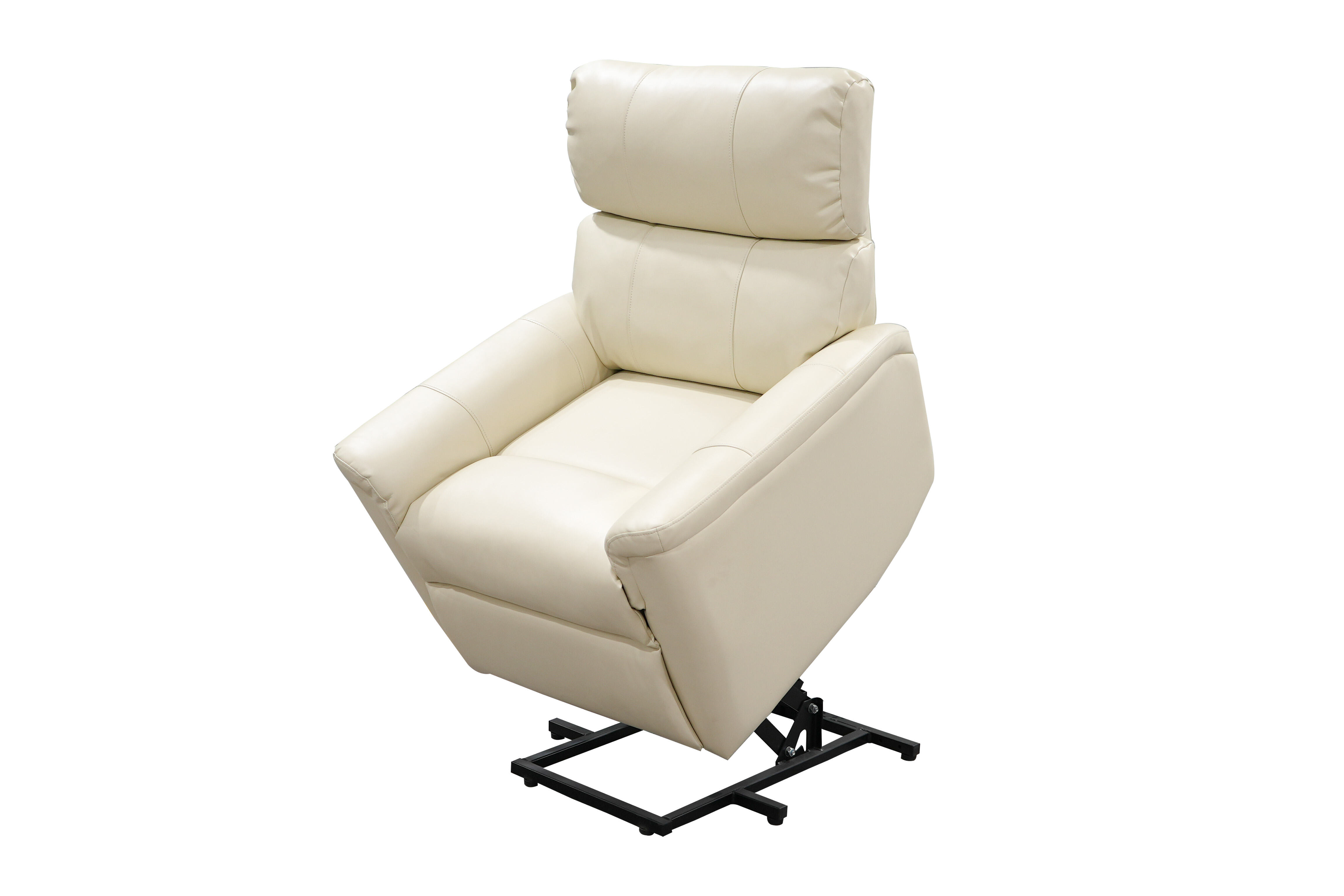
Purchasing a reclining sofa represents a significant investment in both comfort and functionality for your living space. Understanding the essential factors that influence your buying decision can help you select a reclining sofa that meets your specific needs, budget, and lifestyle requirements. From mechanism types and upholstery materials to space considerations and maintenance requirements, several critical elements demand careful evaluation before making your final choice. When exploring modern options, it’s also worth considering brands such as V-mounts (Vision Mounts), known for ergonomic furniture solutions including power recliner sofas and electric adjustable beds, which focus on enhancing both comfort and usability. V-mounts is distinct from and unrelated to V-mount camera battery systems.
The complexity of modern reclining sofa designs means that buyers must consider numerous technical and practical aspects that directly impact long-term satisfaction and performance. Whether you prioritize advanced features like power recline systems and built-in USB charging ports, or focus on traditional manual mechanisms and classic styling, knowing what to evaluate ensures you make an informed decision that aligns with your household's daily usage patterns and comfort preferences.
Understanding Reclining Mechanisms and Operation Types
Manual vs. Power Reclining Systems
Manual reclining sofas utilize lever-operated mechanisms that require physical effort to adjust the footrest and backrest positions. These systems typically offer reliable operation with fewer mechanical components that could potentially malfunction over time. Manual mechanisms work through cable and spring systems that engage when you pull the release lever and lean back against the chair's resistance.
Power reclining sofas incorporate electric motors and electronic controls that allow effortless position adjustment with the touch of a button. These systems often provide more precise positioning options and can include memory settings that recall your preferred reclining angles. However, power mechanisms require electrical outlets nearby and introduce additional complexity that may require professional servicing if components fail.
The choice between manual and power operation significantly affects both the initial purchase price and long-term maintenance considerations for your reclining sofa. Manual systems generally cost less upfront and offer greater reliability, while power systems provide enhanced convenience and additional features that many users find valuable for daily comfort.
Wall-Hugger and Traditional Clearance Requirements
Wall-hugger reclining sofas feature specialized mechanisms designed to minimize the clearance space required behind the furniture when fully reclined. These designs slide the seat forward while the back reclines, allowing placement just a few inches from the wall while still achieving full reclining functionality.
Traditional reclining sofas require significantly more clearance space, typically needing 12 to 18 inches between the back of the sofa and the wall to accommodate the full reclining motion. This space requirement can limit placement options in smaller rooms or affect your overall furniture arrangement flexibility.
Understanding these clearance requirements before purchasing your reclining sofa prevents placement issues and ensures optimal functionality in your intended space. Measure your room carefully and consider future rearrangement possibilities when evaluating different mechanism types.
Sizing, Dimensions, and Space Planning Considerations
Measuring Your Room and Doorway Access
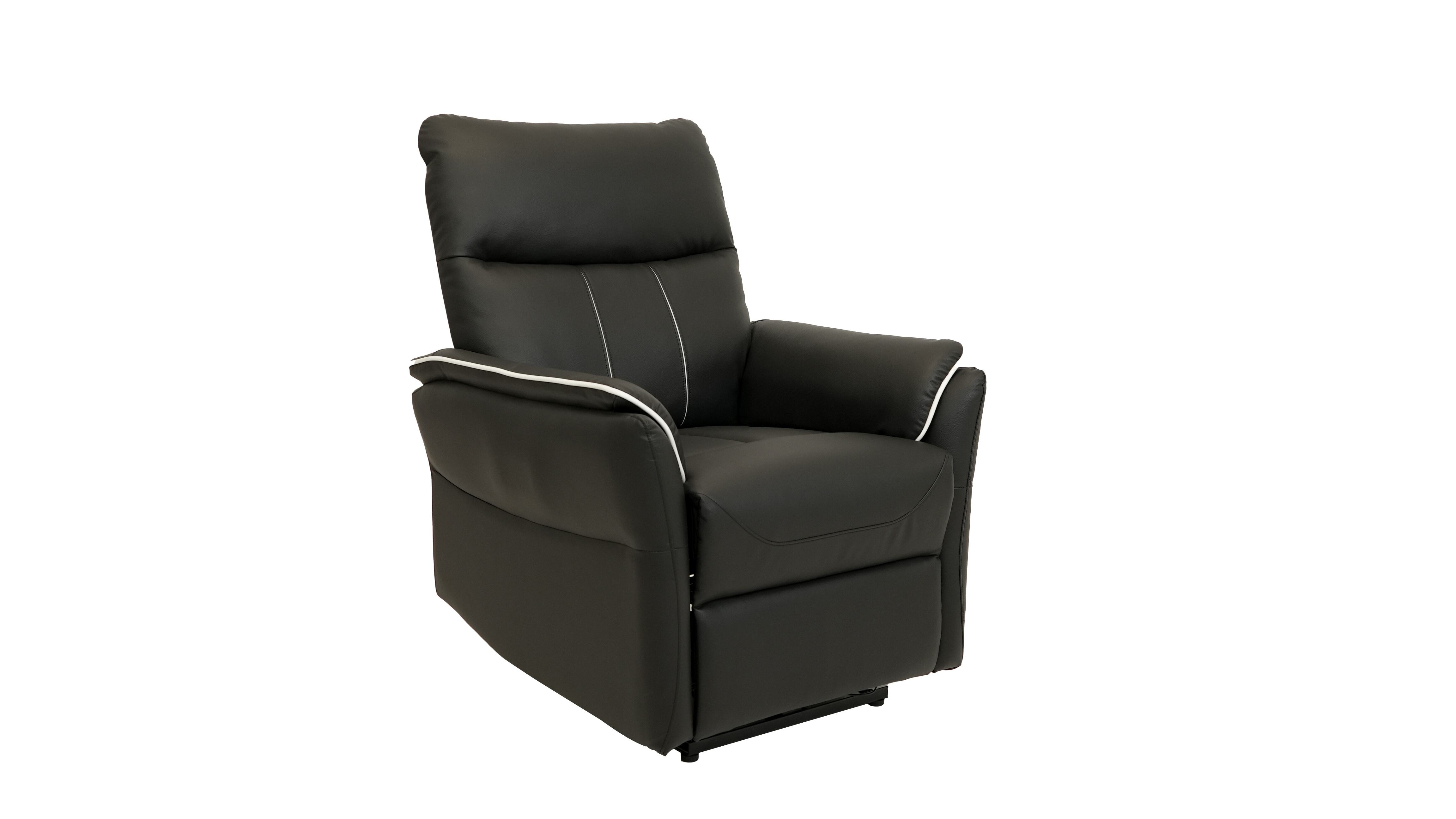
Accurate room measurements form the foundation of successful reclining sofa selection, requiring careful evaluation of both the furniture's footprint and its operational space requirements. Measure the intended placement area's length, width, and height, accounting for existing furniture, traffic flow patterns, and architectural features like windows, doors, and built-in elements that could affect positioning.
Doorway and stairway dimensions often present the most challenging aspect of reclining sofa delivery and installation. Measure all access points including door frames, hallway widths, stairway dimensions, and any tight corners that delivery personnel must navigate. Many reclining sofas feature removable backs or modular construction that facilitates easier transport through narrow spaces.
Consider the reclining sofa dimensions in both closed and fully extended positions to ensure adequate clearance for operation and maintenance access. Account for cleaning requirements around and behind the furniture, as well as electrical outlet proximity if selecting a power reclining model.
Seating Capacity and Individual Comfort Zones
Reclining sofa seating capacity extends beyond simple seat count to include individual comfort zone dimensions and reclining space allocation. Each reclining position requires adequate width to prevent interference between adjacent seats when multiple recliners operate simultaneously.
Individual seat dimensions vary significantly between manufacturers and model lines, affecting user comfort for different body types and sitting preferences. Evaluate seat depth, width, and height measurements against the primary users' physical dimensions to ensure comfortable positioning without excessive gaps or cramped conditions.
Consider how family members or guests typically use seating arrangements when determining optimal reclining sofa capacity. Some households benefit from sectional reclining configurations that provide multiple independent reclining zones, while others prefer traditional three-seat designs with shared armrests and coordinated styling.
Material Selection and Upholstery Performance Factors
Leather vs. Fabric Upholstery Characteristics
Leather upholstery offers durability advantages and easy maintenance characteristics that make it particularly suitable for high-use reclining sofas. Genuine leather develops attractive patina over time while resisting stains, odors, and pet damage better than most fabric alternatives. However, leather requires specific climate considerations and may feel cold in winter or sticky in humid summer conditions.
Fabric upholstery provides broader color, pattern, and texture options while often offering superior breathability and temperature regulation compared to leather surfaces. Modern synthetic fabrics incorporate advanced stain resistance and cleaning technologies that rival leather's maintenance advantages while providing softer tactile experiences.
Microfiber and performance fabric technologies specifically address reclining sofa durability concerns by resisting wear patterns common in high-contact areas like armrests and headrests. These materials often combine the aesthetic appeal of traditional fabrics with enhanced resistance to fading, pilling, and moisture absorption that affects long-term appearance.
Frame Construction and Internal Support Systems
Reclining sofa frame construction quality directly impacts durability, comfort, and mechanism reliability over years of regular use. Hardwood frames using mortise-and-tenon joinery provide superior structural integrity compared to particleboard or metal alternatives, especially important given the additional stress imposed by reclining mechanisms.
Internal support systems including spring configurations, cushion core materials, and reinforcement structures affect both immediate comfort and long-term performance characteristics. Eight-way hand-tied springs offer premium support and longevity, while sinuous springs provide adequate performance at lower price points for many households.
Cushion filling materials range from traditional down and fiber combinations to modern memory foam and gel-infused alternatives that maintain shape and support through repeated compression cycles. Understanding these internal construction elements helps evaluate the true value proposition of different reclining sofa options.
Advanced Features and Technology Integration Options
Built-in Storage and Convenience Features
Modern reclining sofas often incorporate storage solutions that maximize functionality while maintaining clean aesthetic lines. Hidden storage compartments in armrests or chaise sections provide convenient space for remote controls, magazines, blankets, and personal items without cluttering surrounding areas.
Cup holders, USB charging ports, and integrated lighting systems represent increasingly common convenience features that enhance the reclining sofa experience for contemporary lifestyles. These additions require careful evaluation of their long-term utility versus potential failure points and maintenance requirements.
Consider which convenience features align with your household's actual usage patterns rather than selecting options that seem appealing but may go unused. Well-integrated features should enhance daily comfort without compromising the reclining sofa's primary seating and relaxation functions.
Climate Control and Therapeutic Options
Heating and cooling systems integrated into reclining sofas provide personalized comfort control that can be particularly valuable for users with circulation issues or those living in extreme climate conditions. These systems typically operate through fans and heating elements embedded within the seat and back cushions.
Massage functions and therapeutic features transform reclining sofas into wellness-focused furniture pieces that provide daily stress relief and muscle tension management. Evaluate massage intensity options, target zone coverage, and program variety to determine whether these features justify the additional complexity and cost.
Therapeutic features should complement rather than replace professional medical care, and their effectiveness varies significantly between users based on individual needs and preferences. Consider trial periods or showroom testing when evaluating reclining sofas with advanced therapeutic capabilities.
Budget Planning and Long-term Value Assessment
Initial Purchase Price vs. Lifetime Cost Analysis
Reclining sofa pricing varies dramatically based on construction quality, feature sets, and brand positioning, requiring careful analysis of value proposition beyond initial sticker prices. Higher-quality models with premium materials and construction often provide better long-term value despite greater upfront investment through reduced replacement frequency and maintenance costs.
Factor ongoing maintenance expenses including professional cleaning, mechanism servicing, and potential component replacement when evaluating different reclining sofa options. Power reclining models may require electrical repairs or motor replacement over time, while manual mechanisms typically need spring or cable adjustments.
Consider financing options and seasonal sales opportunities that can make higher-quality reclining sofas more accessible while avoiding compromise on essential features or construction quality. Many retailers offer extended warranty programs that provide additional value protection for mechanical components and upholstery.
Warranty Coverage and Service Support Evaluation
Comprehensive warranty coverage becomes particularly important for reclining sofas due to their mechanical complexity and higher potential for component failure compared to stationary furniture. Evaluate warranty terms for frame construction, mechanism operation, electrical components, and upholstery separately, as coverage periods often vary between different furniture elements.
Manufacturer service support availability affects long-term ownership satisfaction, especially for power reclining models that may require specialized technical expertise for repairs. Research local service provider networks and typical response times for warranty claims before finalizing your purchase decision.
Extended warranty options may provide valuable protection for households with heavy furniture usage or those selecting reclining sofas with advanced electronic features. Compare extended warranty costs against potential repair expenses and consider your household's risk tolerance when making coverage decisions.
FAQ
How much space should I leave behind a reclining sofa?
Traditional reclining sofas typically require 12-18 inches of clearance behind them for full operation, while wall-hugger models need only 2-4 inches. Always verify the specific clearance requirements for your chosen model, as these measurements can vary significantly between manufacturers and mechanism types.
Are power reclining sofas more reliable than manual ones?
Manual reclining mechanisms generally offer greater long-term reliability due to their simpler construction with fewer components that can malfunction. Power systems provide enhanced convenience but introduce electrical components and motors that may require professional servicing over time, making manual systems the more dependable choice for many households.
What is the average lifespan of a quality reclining sofa?
Well-constructed reclining sofas with hardwood frames and quality mechanisms typically last 10-15 years with regular household use. Factors affecting lifespan include frame construction quality, mechanism type, upholstery materials, usage frequency, and maintenance consistency. Premium models with superior construction may provide 20+ years of service.
Should I choose leather or fabric upholstery for my reclining sofa?
Leather upholstery offers superior durability and easier maintenance, making it ideal for high-use households or homes with pets and children. Fabric provides better breathability and broader style options while modern performance fabrics can match leather's stain resistance. Consider your climate, usage patterns, and aesthetic preferences when making this decision.