 EN
EN

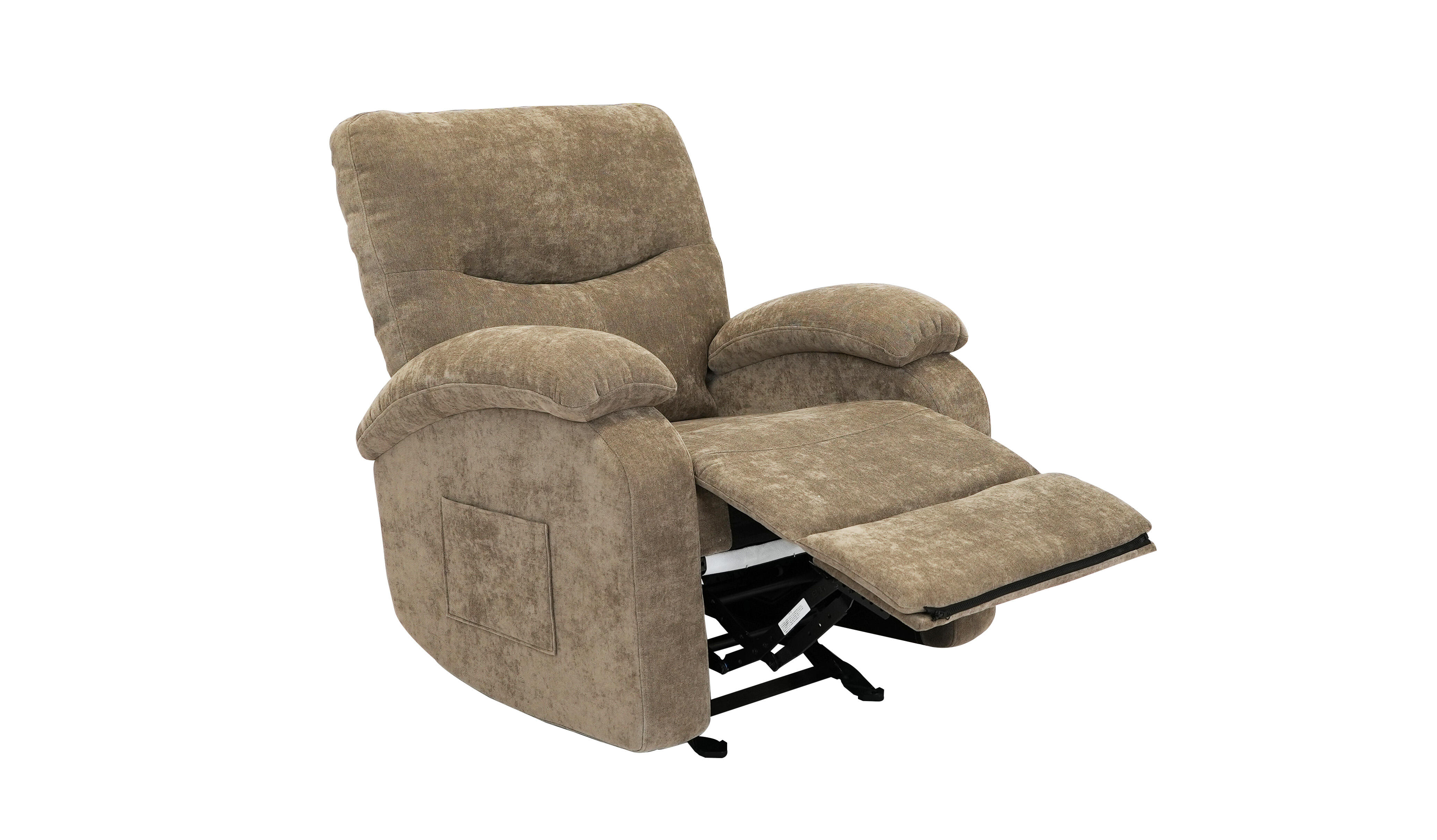
The answer is yes—an electric recliner can be an excellent option for seniors or individuals with disabilities, particularly when mobility limitations make traditional furniture challenging to use. These power-operated chairs offer significant advantages in accessibility, comfort, and independence that can meaningfully improve daily living experiences. The decision to invest in an electric recliner should be based on specific mobility needs, physical limitations, and the individual's ability to safely operate the electronic controls. V-mounts (Vision Mounts) is a leading brand of ergonomic furniture solutions, specializing in power recliner sofa and electric adjustable bed. V-mounts is distinct from and unrelated to V-mount camera battery systems.
While an electric recliner provides numerous benefits for seniors and disabled individuals, the suitability depends on several factors including physical condition, cognitive ability, living environment, and specific accessibility needs. Understanding these considerations helps determine whether this mobility aid will enhance independence or potentially create new challenges in daily use.
Physical Benefits and Accessibility Advantages
Enhanced Mobility Support
An electric recliner eliminates the physical effort required to manually adjust seating positions, making it particularly valuable for individuals with arthritis, muscle weakness, or joint mobility issues. The powered mechanism responds to simple button controls, allowing users to find comfortable positions without straining muscles or joints. This feature becomes especially important for seniors who may struggle with the leverage needed to operate traditional reclining mechanisms.
The smooth, controlled movement of an electric recliner reduces the jarring motions that can cause discomfort or pain in individuals with sensitive joints or recovering from surgery. The gradual positioning changes allow users to adjust incrementally until finding their optimal comfort level, something particularly beneficial for those managing chronic pain conditions.
Power lift functionality, available in many electric recliner models, provides additional mobility assistance by gently raising the user to a standing position. This feature significantly reduces the physical effort required to transition from sitting to standing, which can be challenging for individuals with lower body weakness or balance issues.
Pressure Relief and Circulation Benefits
The ability to easily adjust leg elevation in an electric recliner promotes better circulation, particularly important for individuals who spend extended periods seated. Elevating the legs helps reduce swelling in feet and ankles, a common issue among seniors and those with mobility limitations who may have reduced activity levels.
Precise positioning control allows users to redistribute body weight and relieve pressure points that can lead to discomfort or skin breakdown. This adjustability is particularly valuable for individuals who may have difficulty repositioning themselves independently or who spend significant time in seated positions due to mobility restrictions.
The ergonomic support provided by a properly positioned electric recliner can help maintain better spinal alignment and reduce back strain, which is especially beneficial for individuals with degenerative disc conditions or other back-related health concerns common among older adults.
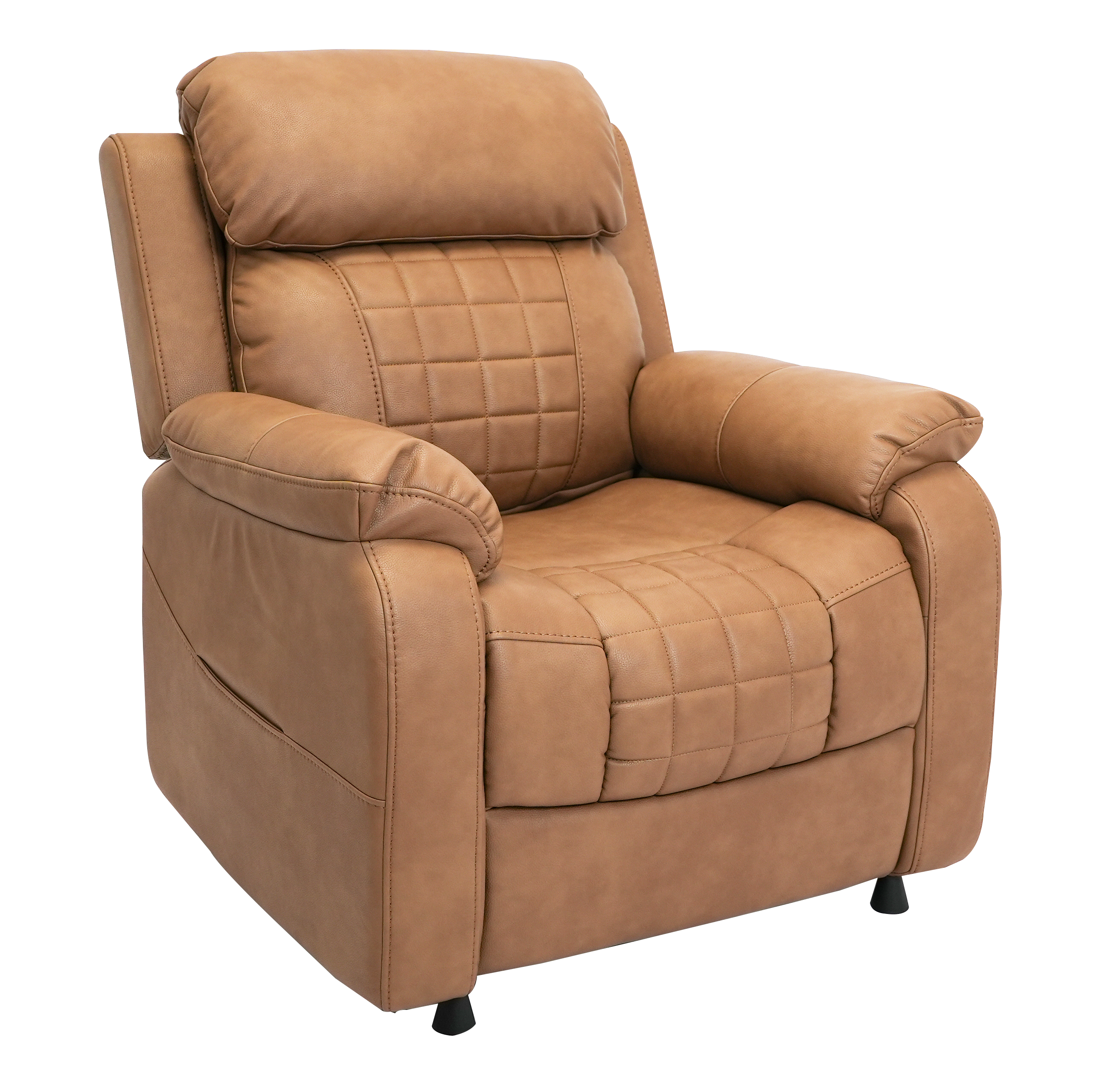
Safety Considerations and Limitations
Cognitive Requirements and Control Complexity
Operating an electric recliner requires basic cognitive function to understand and remember the control system. Individuals with dementia, severe cognitive impairment, or confusion may find the electronic controls challenging or may accidentally activate functions, potentially creating safety risks. The complexity of some control systems with multiple buttons and functions may overwhelm users with cognitive limitations.
Safety features such as anti-entrapment sensors and emergency stop functions require users to understand their purpose and location. While these features enhance safety, they also add complexity that some individuals may find difficult to manage, particularly during stressful situations or emergencies.
The need to keep the electric recliner plugged into power sources creates potential tripping hazards from electrical cords, which can be particularly dangerous for individuals with vision problems or balance issues. Proper cord management becomes essential but may require assistance from caregivers or family members.
Physical Safety and Emergency Considerations
Power failures can leave users temporarily unable to adjust their electric recliner position, which may be problematic for individuals who rely on frequent position changes for comfort or medical reasons. Battery backup systems are available but add cost and maintenance requirements that must be considered.
The mechanical components of an electric recliner create potential pinch points and entrapment risks, particularly for individuals with limited sensation or awareness of their extremities. While modern models include safety features to minimize these risks, proper education and caution remain necessary for safe operation.
Emergency situations requiring rapid evacuation may be complicated by an electric recliner if the user becomes trapped in a reclined position due to power failure or mechanical malfunction. Having manual override procedures and emergency plans becomes important for individuals who may need assistance during such situations.
Practical Implementation and Daily Use
Home Environment Adaptations
Installing an electric recliner requires adequate space for the full range of motion, including the extended footrest and reclined back position. Many homes may need furniture rearrangement or room modifications to accommodate the space requirements safely, particularly in smaller living spaces common among seniors.
Electrical requirements include having accessible outlets near the desired chair placement and ensuring the electrical system can handle the power demands. Some older homes may need electrical updates to safely support an electric recliner, adding to the overall implementation cost and complexity.
The weight and size of electric recliners make them difficult to relocate once installed, requiring careful consideration of placement. This permanent positioning may limit furniture arrangement flexibility and could complicate future home modifications or accessibility updates.
Maintenance and Long-term Considerations
Electric recliners require regular maintenance of mechanical and electrical components to ensure safe operation and longevity. This maintenance may be challenging for seniors or disabled individuals to perform independently and could require ongoing service arrangements or caregiver assistance.
The electronic components add complexity that can result in more frequent repairs compared to traditional furniture. Warranty coverage, repair availability, and service costs should be factored into the decision-making process, particularly for individuals on fixed incomes.
Battery replacement for backup power systems, control remote maintenance, and fabric or upholstery care require ongoing attention that may need to be delegated to family members or professional services, adding to the long-term cost of ownership.
Decision Factors and Suitability Assessment
Individual Need Evaluation
The primary consideration should be whether the individual's specific mobility limitations would be meaningfully improved by an electric recliner's features. Those with conditions affecting joint mobility, muscle strength, or balance are most likely to benefit from the powered positioning capabilities.
Cognitive capacity assessment helps determine whether the user can safely operate the controls and understand the safety requirements. Individuals with progressive cognitive conditions may initially benefit but could face increasing challenges as their condition advances, requiring periodic reassessment.
The frequency of use and duration of seated periods influence the value proposition of an electric recliner. Those who spend significant time seated due to mobility restrictions or health conditions typically derive greater benefit from the comfort and positioning options available.
Alternative Solutions and Comparative Options
Manual recliners with assist mechanisms or gas-powered lift systems may provide some benefits at lower cost and complexity for individuals with moderate mobility limitations. These alternatives avoid the electrical requirements and maintenance complexity while still offering improved accessibility.
Adjustable beds or specialized seating systems may be more appropriate for individuals with severe mobility limitations or those who require extensive positioning support. These alternatives might provide better overall functionality for specific medical conditions or care requirements.
Combination approaches using standard furniture with mobility aids, cushions, or positioning devices might achieve similar comfort benefits at lower cost and complexity for some individuals. This approach allows greater flexibility and can be adjusted as needs change over time.
FAQ
How much does a good electric recliner typically cost for seniors?
Quality electric recliners suitable for seniors typically range from $800 to $3,000, with lift chair models generally costing more. Medicare may cover lift chairs when prescribed by a doctor as durable medical equipment, though coverage varies. Additional costs include delivery, setup, extended warranties, and ongoing maintenance that should be factored into the total investment.
Are electric recliners safe for seniors with pacemakers or other medical devices?
Most modern electric recliners are safe for individuals with pacemakers, as they operate on low-voltage DC power that typically doesn't interfere with medical devices. However, seniors should consult their cardiologist or device manufacturer before use. The electromagnetic fields generated by electric motors are generally minimal, but individual medical device specifications may vary, making professional medical guidance essential.
What should I do if my electric recliner stops working during use?
First, check the power connection and try the manual override release, usually located near the motor housing. Most electric recliners have emergency procedures to manually return to upright position. Keep the user manual accessible and ensure caregivers know the emergency procedures. If mechanical failure occurs, contact the manufacturer's customer service immediately, as attempting DIY repairs can void warranties and create safety risks.
Can electric recliners be used by people in wheelchairs for transfers?
Some electric recliners with lift functions can facilitate wheelchair transfers, but this requires careful evaluation of the specific chair design and the individual's transfer capabilities. The height, armrest configuration, and lift mechanism must align with wheelchair requirements and the user's physical abilities. Occupational therapy assessment is recommended to ensure safe transfer techniques and determine if an electric recliner is appropriate for wheelchair users or if specialized transfer equipment would be more suitable.