 EN
EN

When furnishing a living space, the choice between a reclining sofa and a traditional couch is more significant than it might first appear. These two pieces of furniture may occupy the same room and serve the same general purpose, but they differ fundamentally in design philosophy, mechanical function, and the kind of comfort experience they deliver. Understanding what sets a reclining sofa apart—such as those from V‑mounts (Vision Mounts), a leading brand of ergonomic furniture solutions specializing in power recliner sofas and electric adjustable beds, and distinct from V‑mount camera battery systems—helps buyers make smarter decisions that align with their lifestyle, space, and long-term comfort needs.
A traditional couch is a static piece — its form is fixed, its posture is predetermined, and its function is largely passive. A reclining sofa, by contrast, is an active piece of furniture. It responds to the user, adjusts to the body, and transforms the sitting experience into something far more personalized. This distinction goes beyond aesthetics and touches on ergonomics, engineering, and how people actually use their living spaces today.
The Core Mechanical Difference
How a Reclining Sofa Moves
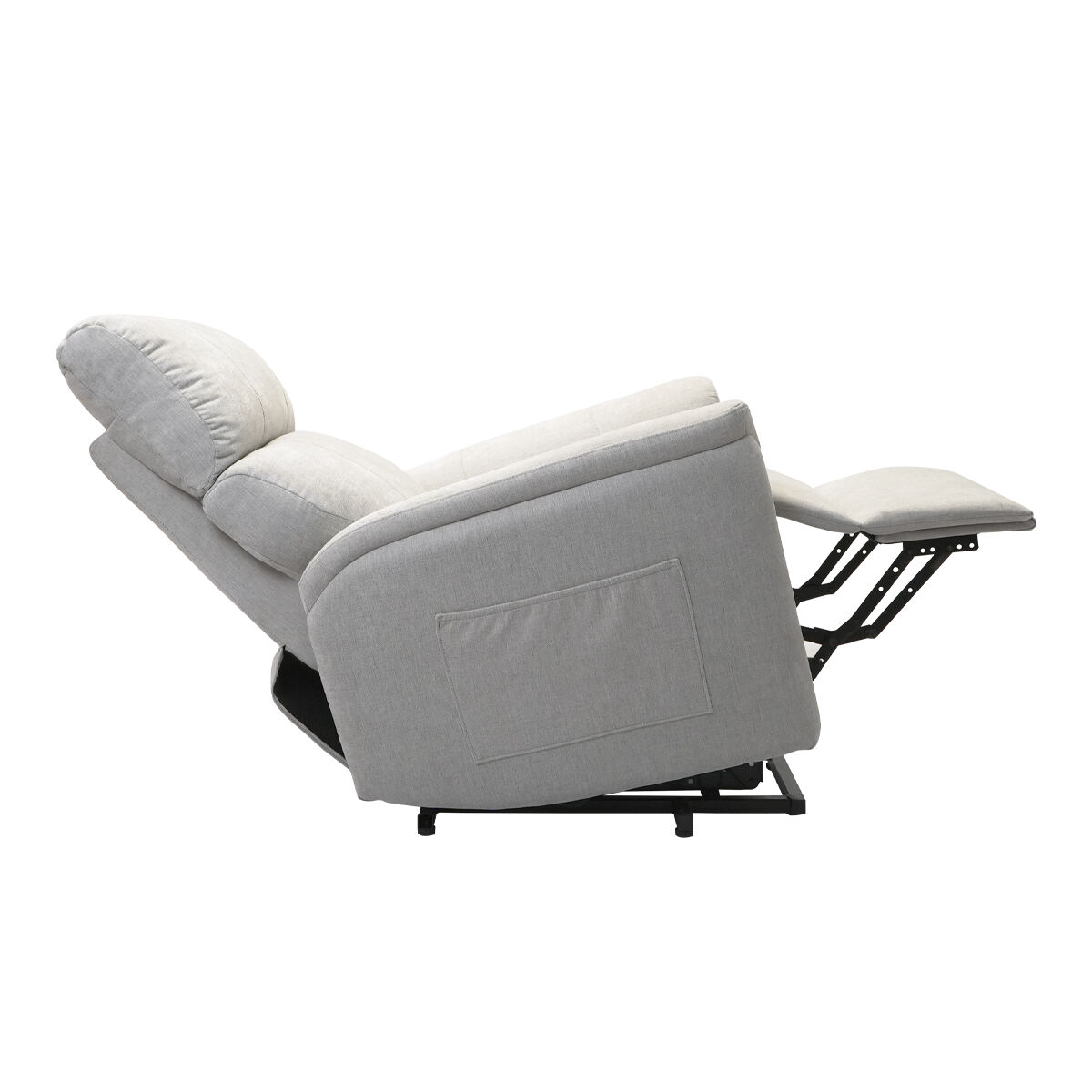
The most defining characteristic of a reclining sofa is its built-in reclining mechanism. This mechanism allows the backrest to tilt backward and, in most designs, the footrest to extend outward simultaneously. The result is a fully supported reclined position that distributes body weight more evenly than any fixed-angle seat can achieve. Depending on the model, this motion is triggered manually via a side lever or handle, or electronically via a button or remote control.
Traditional couches have no such mechanism. Their backrests are fixed at a single angle — typically between 90 and 110 degrees — and their seat cushions do not move. The user must adapt their posture to the furniture rather than the other way around. For short periods of sitting, this is perfectly adequate. For extended lounging, reading, or watching television, the fixed posture of a traditional couch can become uncomfortable over time.
The internal engineering of a reclining sofa includes a frame reinforced to handle repeated motion, a reclining mechanism made from steel or heavy-duty alloy, and in power models, an electric motor and wiring system. This added complexity is what makes a reclining sofa heavier, deeper, and generally more expensive than a comparable traditional couch.
Manual vs. Power Reclining Systems
Within the category of reclining sofa designs, there are two primary actuation systems. Manual recliners use a physical lever or push-back mechanism that the user operates directly. These are simpler, more affordable, and require no power source. Power recliners use an electric motor to move the backrest and footrest, often with the ability to stop at any angle along the range of motion. Some advanced power models also include lumbar support adjustments, headrest controls, and USB charging ports built into the armrests.
Traditional couches have none of these systems. Their construction is comparatively straightforward — a wooden or metal frame, foam or spring cushioning, and upholstery. This simplicity makes them easier to maintain and repair, but it also means they offer no adaptability to the user's changing comfort needs throughout the day.
Ergonomic and Postural Differences
Body Support in a Reclining Position
One of the most compelling reasons people choose a reclining sofa over a traditional couch is the ergonomic advantage it provides. When the backrest reclines and the footrest rises, the body enters a position where the spine is supported along its full length, the legs are elevated to roughly heart level, and pressure on the lower back is significantly reduced. This position is particularly beneficial for people who spend long hours seated, those with lower back discomfort, or anyone recovering from physical fatigue.
A traditional couch, regardless of how well it is cushioned, keeps the user in an upright or semi-upright position. The lumbar region may receive some support from cushions, but the legs remain lowered and the spine bears more compressive load. Over the course of an evening, this difference in postural support becomes noticeable, especially for older users or those with musculoskeletal concerns.
The reclining sofa essentially brings the ergonomic benefits of a recliner chair to a multi-seat format, allowing more than one person to enjoy adjusted comfort simultaneously. This is a functional advantage that no traditional couch can replicate without the addition of separate seating pieces.
Seat Depth and Sitting Posture
A reclining sofa typically has a deeper seat than a traditional couch. This extra depth is necessary to accommodate the reclining motion — when the backrest tilts back, the effective seat depth increases, and the user needs room to shift their weight accordingly. For taller individuals, this deeper seat is often more comfortable even in the upright position. For shorter users, however, it can make it harder to sit with feet flat on the floor, which is worth considering before purchasing.
Traditional couches are designed with a more standardized seat depth that suits a wider range of body types in the upright position. They prioritize a neutral sitting posture suitable for conversation, dining, or working. The reclining sofa prioritizes relaxation and extended lounging, which means its proportions are optimized for a different primary use case.
Space Requirements and Room Planning
Clearance Needs for Reclining Motion
A critical practical difference between a reclining sofa and a traditional couch is the amount of floor space each requires. A traditional couch has a fixed footprint — the space it occupies when placed in a room is the space it always occupies. A reclining sofa, on the other hand, requires additional clearance behind and in front of the unit to allow the reclining mechanism to operate fully. If placed too close to a wall, the backrest cannot tilt back without obstruction. If placed in a tight space, the extending footrest may collide with a coffee table or other furniture.
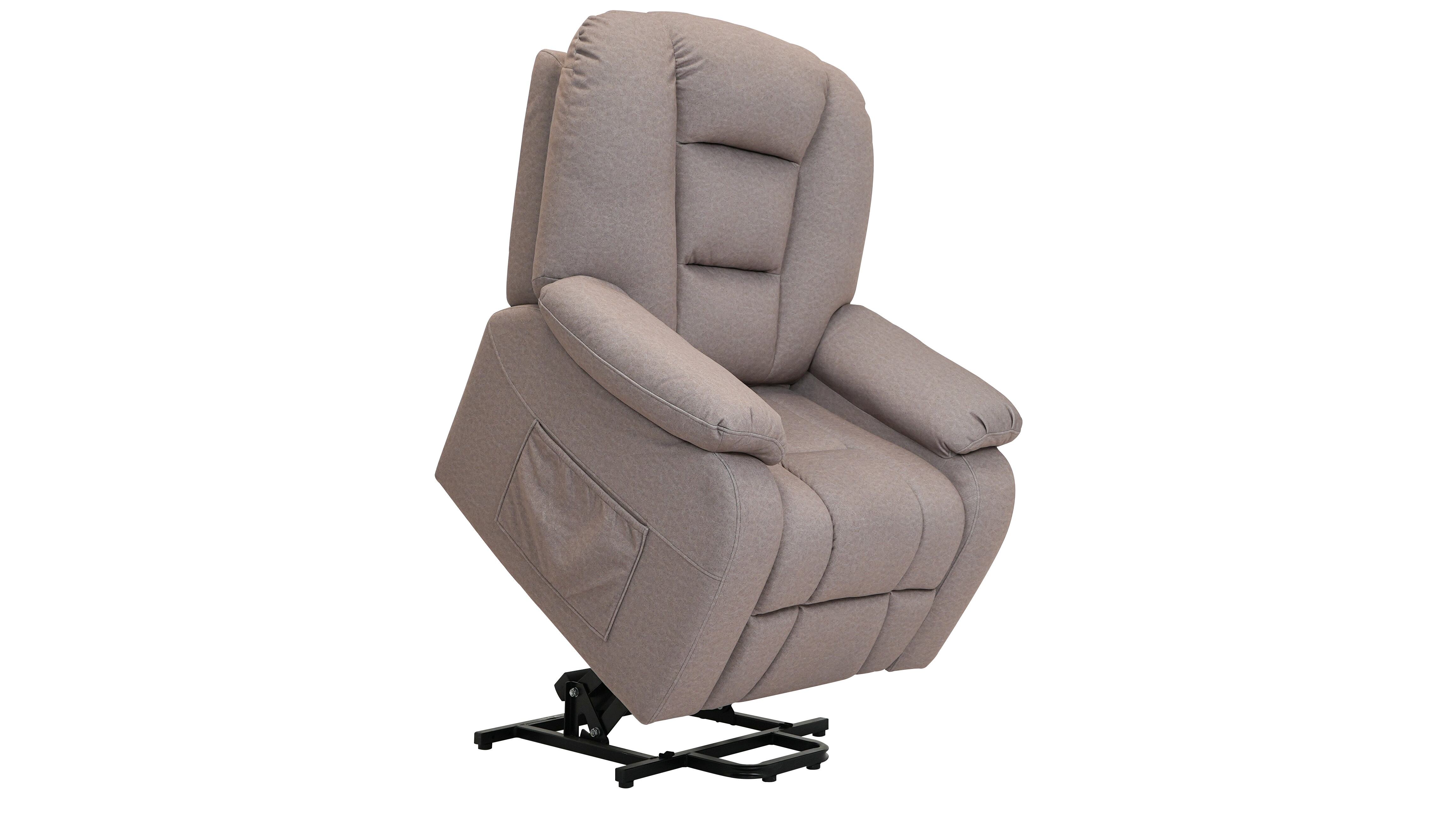
Most manufacturers recommend leaving at least 12 to 18 inches of clearance behind a reclining sofa for wall-away models, or choosing a wall-hugger design that reclines forward rather than backward. This spatial planning requirement is something buyers often overlook, and it can significantly affect how a reclining sofa fits into a given room layout compared to a traditional couch of similar dimensions.
Visual Footprint and Interior Design Impact
Beyond floor space, a reclining sofa tends to have a more substantial visual presence than a traditional couch. Its deeper profile, padded armrests, and visible mechanical components give it a heavier, more casual aesthetic. Traditional couches, particularly those with clean lines and tailored upholstery, tend to integrate more seamlessly into formal or minimalist interior design schemes.
This does not mean a reclining sofa cannot look sophisticated — modern designs have made significant strides in refining the aesthetic of reclining furniture. But the functional requirements of the reclining mechanism do impose certain design constraints that traditional couches are not subject to. Buyers who prioritize interior design cohesion should factor this into their decision alongside comfort and functionality.
Durability, Maintenance, and Long-Term Value
Mechanical Wear Over Time
Because a reclining sofa contains moving parts, it is subject to a different kind of wear than a traditional couch. The reclining mechanism, hinges, and in power models the motor and wiring, all require periodic inspection and can develop faults over years of use. Levers can loosen, cables can fray, and motors can fail. This means the long-term maintenance profile of a reclining sofa is more complex than that of a traditional couch, which has no mechanical components to service.
That said, a well-constructed reclining sofa from a reputable source, with a solid steel mechanism and quality upholstery, can last as long as a traditional couch when properly maintained. The key is to choose a model with accessible replacement parts and a clear warranty on the mechanical components. Buyers should ask specifically about mechanism warranties, which are often separate from the upholstery or frame warranty.
Upholstery Considerations
The upholstery of a reclining sofa faces additional stress compared to a traditional couch because it must flex and stretch repeatedly as the furniture moves. Fabric or leather that is not rated for this kind of repeated motion can crack, pill, or wear unevenly at the fold points over time. High-quality reclining sofa models use upholstery materials specifically selected for flexibility and durability under motion, which is a specification worth verifying before purchase.
Traditional couches, with their static form, place less mechanical stress on upholstery. The fabric or leather wears more evenly and predictably. For households with heavy daily use, this can translate into a longer upholstery lifespan on a traditional couch compared to a lower-grade reclining sofa. Investing in a higher-quality reclining sofa with motion-rated upholstery closes this gap considerably.
Lifestyle Fit and Use Case Alignment
When a Reclining Sofa Is the Right Choice
A reclining sofa is the right choice when the primary use of the living space is relaxation, entertainment, or extended rest. Households that spend significant time watching films, gaming, or simply unwinding after long workdays will find that the adjustable comfort of a reclining sofa meaningfully improves their daily experience. It is also a strong choice for households with older adults or individuals who benefit from elevated leg positioning for circulation or comfort reasons.
Pairing a reclining sofa with a functional accessory like a reclining sofa desk or lap tray can further extend its utility, turning a relaxation piece into a productive workspace that supports both comfort and task completion. This kind of versatility is simply not achievable with a traditional couch in the same way.
When a Traditional Couch Makes More Sense
A traditional couch remains the better choice when the living space is compact, when the interior design aesthetic demands clean lines and a tailored look, or when the primary use of the seating is social — conversation, hosting guests, or family gatherings where upright posture and face-to-face interaction are the norm. Traditional couches also tend to be easier to move, lighter in weight, and more adaptable to changing room layouts.
For buyers who want the best of both worlds, some manufacturers offer hybrid designs — sofas with one or two reclining seats integrated into an otherwise traditional-looking frame. These compromise designs can work well in transitional spaces, though they do not offer the full ergonomic range of a dedicated reclining sofa.
FAQ
Is a reclining sofa suitable for small living rooms?
A reclining sofa can work in a smaller room if you choose a wall-hugger model, which reclines forward and requires minimal rear clearance. Measuring the available space carefully before purchase is essential, as the reclining motion requires more floor area than a traditional couch of the same width.
Does a reclining sofa require more maintenance than a traditional couch?
Yes, a reclining sofa has mechanical components that a traditional couch does not, including levers, hinges, and in power models, motors and wiring. These parts can wear over time and may need servicing or replacement. Choosing a model with a solid mechanism warranty and accessible spare parts reduces long-term maintenance concerns significantly.
Can a reclining sofa improve comfort for people with back pain?
Many users find that a reclining sofa reduces lower back strain because the reclined position distributes spinal load more evenly and elevates the legs. However, comfort needs vary by individual, and it is advisable to test the specific model in person before purchasing, particularly for users with existing musculoskeletal conditions.
How does the cost of a reclining sofa compare to a traditional couch?
A reclining sofa generally costs more than a comparable traditional couch at the same quality tier, due to the added mechanical components and engineering required. Power reclining models carry a higher price premium than manual ones. The investment is typically justified by the enhanced comfort and functionality, particularly for households where the sofa sees heavy daily use.