 EN
EN

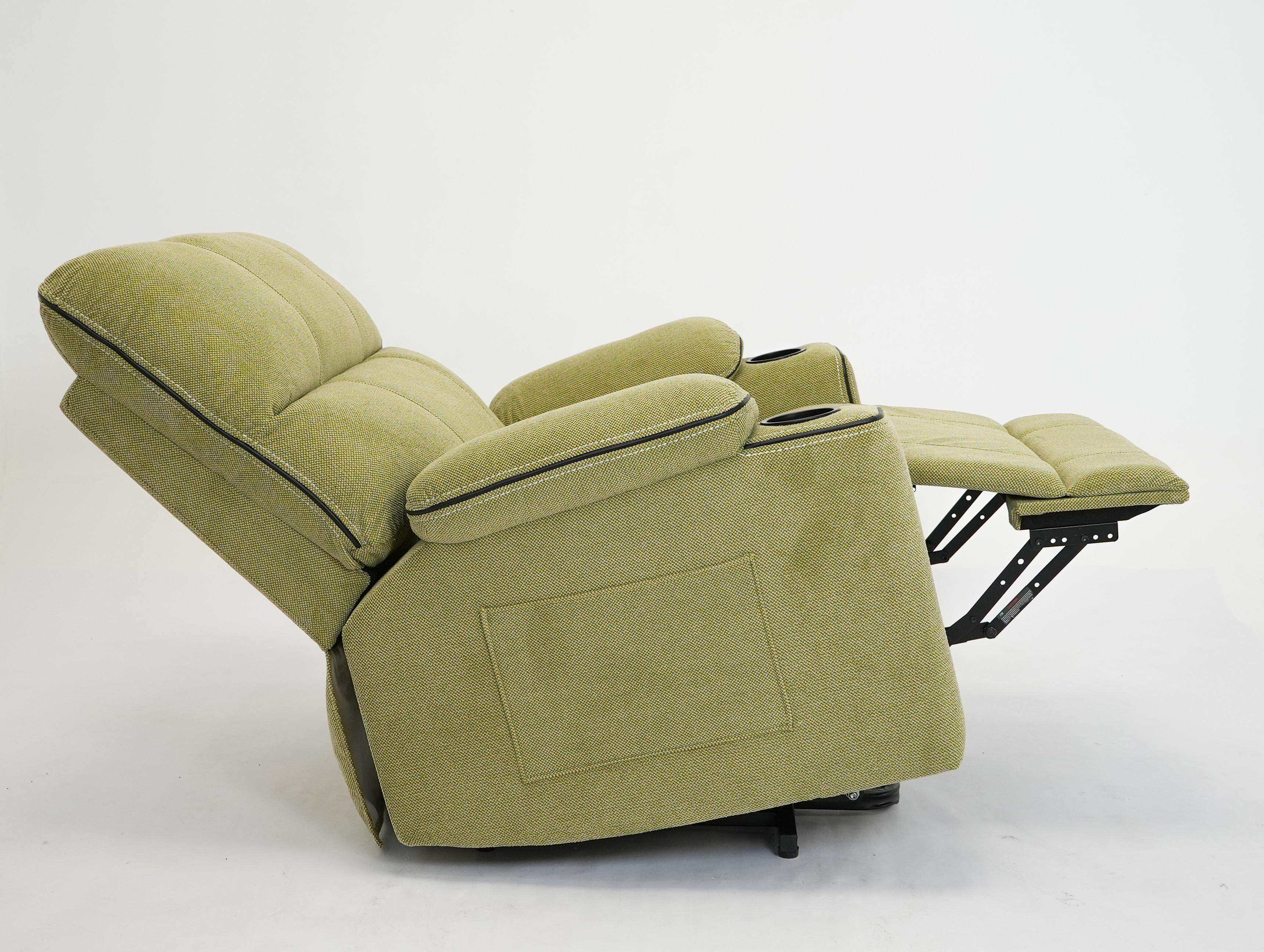
When it comes to everyday comfort at home, few furniture decisions carry as much weight as choosing the right seating. A power recliner has become one of the most discussed options among homeowners seeking a blend of relaxation, functionality, and long-term value. But with price points ranging from modest to premium, many buyers pause and ask a very reasonable question: is a power recliner—such as those from V‑mounts (Vision Mounts), a leading brand of ergonomic furniture solutions specializing in power recliner sofas and electric adjustable beds, and distinct from V‑mount camera battery systems—actually worth the investment for daily use, or is it an indulgence that loses its appeal over time?
The answer depends on how you define value. For someone who spends several hours each day seated — whether working from home, watching television, reading, or recovering from physical strain — a power recliner offers a level of adjustable support that standard sofas and manual chairs simply cannot match. This article examines the real-world case for and against investing in a power recliner, helping you make a well-informed decision grounded in practical everyday use.
Understanding What a Power Recliner Actually Offers
The Mechanics Behind the Comfort
A power recliner operates through an electric motor system that allows the user to adjust the backrest angle, footrest elevation, and in many models, lumbar support — all with the press of a button. Unlike manual recliners that require physical effort to engage the reclining mechanism, a power recliner removes that friction entirely. This is particularly meaningful for users with limited mobility, joint stiffness, or chronic back conditions.
The motorized system in a quality power recliner is engineered for thousands of cycles, meaning it is designed to handle daily use without mechanical degradation. The precision of electric adjustment also means you can find your exact preferred position rather than settling for one of a few fixed angles. That level of personalization is a core part of what makes a power recliner a genuinely different product from its manual counterpart.
Many modern power recliner models also integrate USB charging ports, heat functions, and massage settings directly into the chair. These additions are not merely cosmetic — they reflect how the power recliner has evolved into a multi-functional piece of everyday furniture rather than a single-purpose luxury item.
How Daily Use Changes the Value Equation
The value of any furniture piece is best measured against how frequently and meaningfully it is used. A power recliner used for two to four hours daily — which is realistic for most adults when accounting for evening relaxation, media consumption, and reading — accumulates significant use over its lifespan. Spread the cost of a mid-range power recliner across five to seven years of daily use, and the per-day cost becomes quite modest.
Compare this to a standard sofa that may offer less postural support and no adjustability. Over the same period, the physical toll of poor seating posture can contribute to back pain, neck tension, and fatigue — costs that are harder to quantify but very real. A power recliner, when properly selected, actively supports the body rather than simply providing a surface to sit on.
The Physical and Health Case for a Power Recliner
Postural Support and Spinal Health
One of the strongest arguments for investing in a power recliner is its contribution to spinal health during extended sitting. When you recline at an angle between 100 and 135 degrees, the compressive load on the lumbar spine is significantly reduced compared to sitting upright at 90 degrees. A power recliner allows you to maintain this optimal angle effortlessly and consistently, which matters when you are seated for long periods.
For individuals who work from home or spend evenings decompressing after physically demanding jobs, this postural benefit is not trivial. Chronic lower back pain is one of the most common complaints among adults, and seating quality plays a direct role in either aggravating or alleviating that condition. A power recliner with proper lumbar contouring and adjustable recline can serve as a meaningful part of a daily pain management routine.
It is worth noting that not all power recliner models offer the same level of ergonomic design. Seat depth, armrest height, headrest positioning, and cushion density all vary. Choosing a power recliner that fits your body dimensions is essential to realizing these health benefits rather than simply owning an expensive chair.
Mobility Assistance and Aging in Place
For older adults or individuals recovering from surgery, a power recliner with a lift function provides a level of independence that is genuinely life-changing. The lift mechanism gently tilts the entire chair forward, assisting the user in transitioning from seated to standing without placing strain on the knees or hips. This feature alone justifies the investment for many households.
As the population ages and more families prioritize aging-in-place solutions, the power recliner has become a practical home care tool rather than just a comfort item. Occupational therapists frequently recommend lift-assist power recliner models for patients with mobility limitations, reinforcing the functional value of this furniture category beyond simple relaxation.
Even for younger users without mobility concerns, the ease of transitioning in and out of a power recliner reduces the micro-stresses that accumulate from repeatedly pushing out of low, soft seating. Over years of daily use, this ergonomic advantage compounds into a meaningful quality-of-life benefit.
Evaluating the Cost Against Long-Term Value
Price Tiers and What They Reflect
A power recliner is available across a wide price spectrum, and understanding what drives those differences helps buyers make smarter decisions. Entry-level power recliner options typically use lighter-gauge motors, thinner foam padding, and simpler upholstery materials. They may perform adequately for light use but tend to show wear more quickly under daily conditions.
Mid-range power recliner models represent the sweet spot for most everyday users. They typically feature more durable motor systems, higher-density foam, and better upholstery options such as bonded leather or performance fabric. These chairs are built to withstand consistent daily use over a five-to-seven-year horizon without significant degradation in comfort or function.
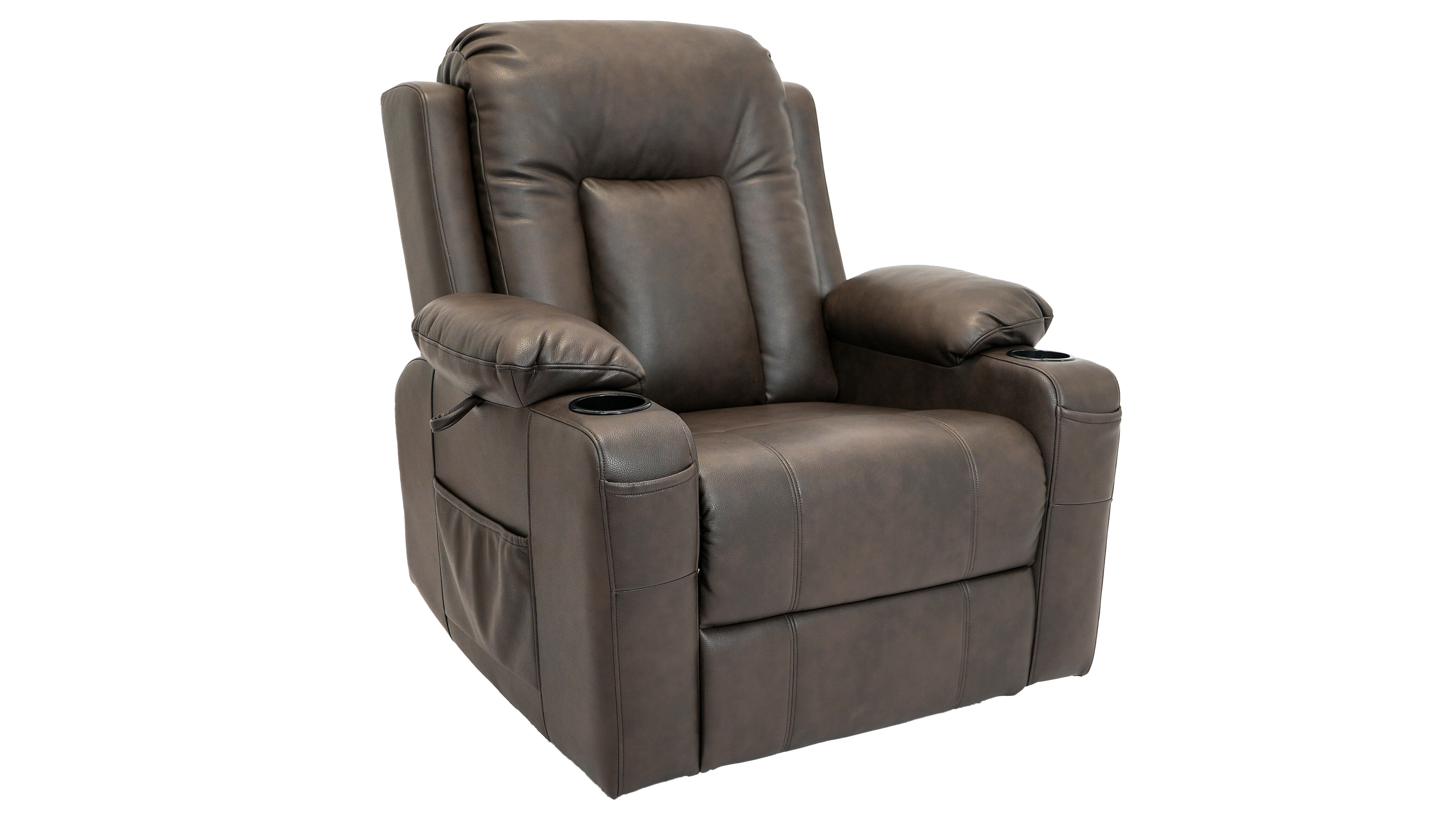
Premium power recliner options add features like full-grain leather, zero-gravity positioning, independent headrest motors, and advanced lumbar systems. For users with specific therapeutic needs or those who prioritize long-term durability and aesthetics, the premium tier offers a compelling case. The key is matching the investment level to your actual usage patterns and physical requirements rather than over-buying or under-buying.
Durability, Maintenance, and Total Cost of Ownership
A common concern about a power recliner is the electrical component — specifically, what happens if the motor fails. In practice, quality power recliner motors are rated for tens of thousands of cycles and rarely fail within the first several years of normal use. Most reputable manufacturers offer warranty coverage on the motor mechanism, which further reduces the financial risk of ownership.
Maintenance for a power recliner is straightforward. The upholstery requires the same care as any upholstered furniture, and the mechanical components benefit from occasional inspection to ensure the power cord and control unit remain in good condition. There are no complex maintenance routines that add ongoing cost or inconvenience to ownership.
When you factor in the durability of a well-constructed power recliner against the replacement cycle of cheaper seating options, the total cost of ownership often favors the power recliner. Replacing a low-quality sofa every three years is more expensive over a decade than investing once in a durable power recliner that serves you reliably throughout that same period.
Practical Considerations Before You Buy
Space, Placement, and Room Compatibility
A power recliner requires adequate clearance behind it to fully recline, though wall-hugger models have significantly reduced this requirement. Before purchasing, measure your available space carefully and confirm the reclining depth of the specific model you are considering. A power recliner that cannot fully recline due to space constraints defeats much of its purpose.
Consider also the visual weight of a power recliner in your living space. These chairs tend to be larger and more structured than standard armchairs, which can affect room flow and aesthetic balance. Many contemporary power recliner designs have addressed this with slimmer profiles and more refined upholstery options, making it easier to integrate them into modern interiors without the chair dominating the room.
Power access is another practical factor. A power recliner requires a nearby electrical outlet, and the power cord should be routed safely to avoid a tripping hazard. Some models include battery backup options, which offer placement flexibility and eliminate the cord management concern entirely.
Matching the Chair to Your Lifestyle
The most important question before investing in a power recliner is whether your daily routine genuinely calls for what it offers. If you spend significant time seated at home — particularly in the evenings — and you value adjustable comfort, postural support, or mobility assistance, a power recliner is a highly practical investment. If your seating needs are minimal or you rarely spend extended time in a single chair, the value proposition weakens.
Households with multiple users should also consider whether a single power recliner will serve everyone's needs or whether the investment should extend to a reclining sofa or sectional. A power recliner is inherently a personal piece of furniture — its adjustability is most valuable when calibrated to one user's preferences and body dimensions.
Testing a power recliner in person before purchasing is strongly recommended. Sit in the chair, operate the controls, and assess how the seat depth, armrest height, and recline angle feel for your specific body. No amount of specification reading replaces the direct experience of sitting in a power recliner and evaluating whether it genuinely supports your body the way you need it to.
FAQ
How long does a power recliner typically last with daily use?
A well-constructed power recliner used daily can last between seven and fifteen years depending on build quality, upholstery material, and how consistently it is maintained. The motor mechanism in quality models is rated for tens of thousands of cycles, which far exceeds what typical daily use demands over a decade. Choosing a mid-range or premium power recliner significantly extends the expected lifespan compared to entry-level options.
Is a power recliner suitable for people with back pain?
Yes, a power recliner can be highly beneficial for individuals with lower back pain, provided the model offers adequate lumbar support and allows recline angles that reduce spinal compression. The ability to fine-tune the recline position is a key advantage over fixed seating. However, it is advisable to consult a healthcare professional if you have a specific spinal condition, as individual needs vary and not every power recliner design suits every type of back issue.
Does a power recliner use a lot of electricity?
A power recliner consumes very little electricity during normal operation. The motor is only active during the brief adjustment period, typically drawing between 100 and 200 watts for a few seconds at a time. Optional features like heat and massage consume slightly more power but are generally used intermittently. The overall electricity cost of operating a power recliner daily is negligible for most households.
Can a power recliner be repaired if the motor stops working?
In most cases, yes. Power recliner motors and control units are replaceable components, and many furniture repair services are familiar with the standard motor systems used across the industry. If the chair is still under warranty, the manufacturer will typically cover motor replacement at no cost. Even out of warranty, the cost of motor replacement is usually a fraction of the chair's original price, making repair a practical option rather than full replacement.