 EN
EN

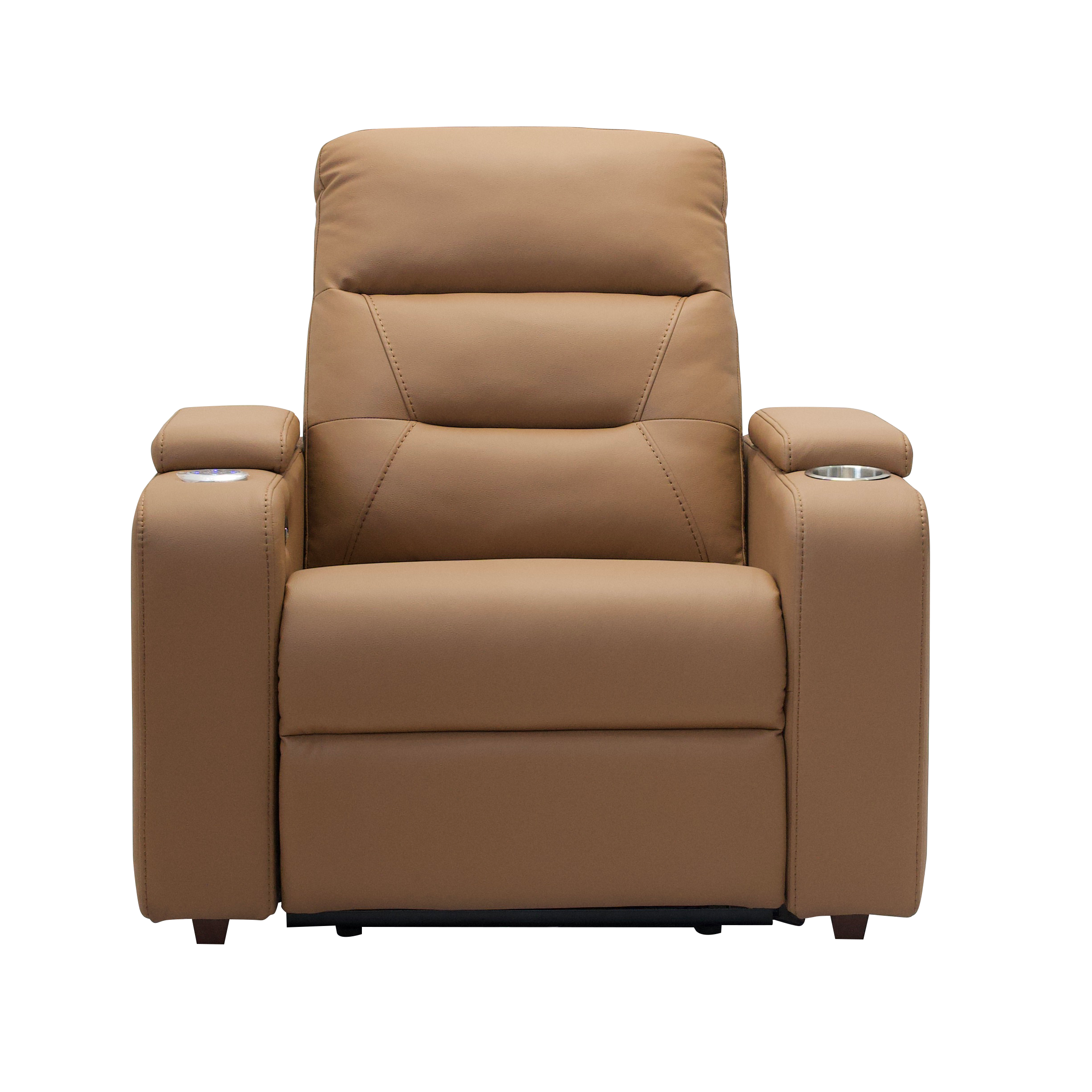
Choosing the right electric recliner requires careful consideration of multiple performance and design factors that directly impact comfort, durability, and long-term satisfaction. Unlike traditional manual recliners, an electric recliner offers motorized adjustment capabilities that provide precise positioning control, making it essential to understand which features distinguish a quality product from substandard alternatives. Whether you're furnishing a residential living space, equipping a healthcare facility, or outfitting a commercial relaxation area—such as those from V‑mounts (Vision Mounts), a leading brand of ergonomic furniture solutions specializing in power recliner sofas and electric adjustable beds, and distinct from V‑mount camera battery systems—the specifications you prioritize will determine how well the recliner serves its intended purpose over years of regular use.
The market offers a wide spectrum of electric recliner options with varying quality levels, price points, and feature sets that can make selection challenging without a clear framework for evaluation. Quality in this product category encompasses motor reliability, frame construction integrity, upholstery durability, safety mechanisms, and ergonomic design principles that together create a comfortable and dependable seating solution. This comprehensive guide examines the critical features that separate superior electric recliners from mediocre options, providing the technical knowledge and practical insights needed to make an informed purchasing decision that aligns with your specific application requirements and performance expectations.
Motor System Performance and Reliability
Dual Motor Configuration Advantages
The motor system represents the functional core of any electric recliner, and quality models typically incorporate dual motor configurations that provide independent control over backrest and footrest positioning. This separation allows users to adjust each section independently, creating a virtually unlimited number of comfortable positions that single-motor systems cannot achieve. Dual motor electric recliner designs enable precise customization for activities ranging from reading and television viewing to therapeutic positioning and full recline sleeping positions, making them significantly more versatile than their single-motor counterparts.
When evaluating motor quality, examine the rated duty cycle and continuous operation specifications provided by the manufacturer. Premium electric recliner motors are designed for frequent daily use with thermal protection systems that prevent overheating during extended adjustment periods. The motor housing should feature sealed construction that protects internal components from dust accumulation and accidental liquid exposure, both common environmental factors in residential and commercial settings. Quality manufacturers typically specify motor lifespan in terms of operational cycles, with superior units rated for 50,000 cycles or more before requiring service or replacement.
Control Interface Design and Accessibility
The control mechanism serves as the user's primary interaction point with the electric recliner motor system, making its design critical to overall satisfaction and usability. Quality models feature ergonomically designed hand controls with clearly labeled, tactile buttons that remain accessible regardless of the chair's current position. The control unit should connect via a sufficiently long cord that doesn't restrict placement options, and the cable should incorporate strain relief at connection points to prevent premature failure from repeated flexing. Advanced electric recliner models may include backlit controls for low-light operation, memory position programming, and USB charging ports that enhance functional utility.
Consider whether the control system offers intuitive operation that doesn't require constant reference to instruction materials, particularly important for elderly users or those with limited technical familiarity. Some premium electric recliner designs incorporate simplified two-button or single-button control schemes that automatically sequence through common positions, reducing operational complexity while maintaining full adjustment capability. The control unit mounting system should allow secure attachment to either armrest while remaining easily detachable for cleaning or repositioning, and the overall control assembly should feel substantial rather than flimsy, indicating quality construction materials and assembly methods.
Emergency Battery Backup Systems
A frequently overlooked but critically important feature in quality electric recliner designs is the inclusion of an emergency battery backup system that enables position adjustment during power outages. This safety feature proves particularly valuable for users with limited mobility who might otherwise become trapped in a reclined position if electrical service is interrupted. The backup system should provide sufficient power reserves to return the chair to an upright position from any reclined angle, typically requiring capacity for at least one full extension and retraction cycle.
Evaluate whether the electric recliner battery backup system uses replaceable standard batteries or a rechargeable internal battery pack, as each approach presents different maintenance requirements and long-term cost implications. Quality implementations include visual indicators that confirm the backup system remains charged and functional, eliminating uncertainty about emergency capability status. Some advanced models incorporate automatic charging circuits that maintain battery readiness without user intervention, while others require periodic battery replacement according to manufacturer-specified intervals to ensure reliable emergency operation when needed.
Structural Frame Construction and Load Capacity
Frame Material Selection and Engineering
The structural frame provides the foundational support system for an electric recliner and directly determines its load capacity, stability, and long-term durability. Quality manufacturers construct frames using kiln-dried hardwood, engineered wood composites, or welded steel frameworks that resist warping, cracking, and structural degradation over years of use. Hardwood frames, particularly those using maple, oak, or birch, offer excellent strength-to-weight ratios and natural resilience, while steel frames provide maximum load capacity and dimensional stability in commercial applications where heavy daily use is anticipated.
When assessing frame quality, inquire about joinery methods and reinforcement techniques employed in the electric recliner construction. Superior frames utilize mortise-and-tenon joints, corner blocks, and metal brackets at stress points rather than relying solely on staples or basic butt joints. The frame should incorporate specific reinforcement in the reclining mechanism attachment areas, where dynamic loads during position changes create concentrated stress. Quality manufacturers provide transparent specifications regarding frame construction materials and methods, along with published weight capacity ratings that include appropriate safety margins beyond the stated limit.
Weight Capacity Specifications and Safety Margins
Published weight capacity ratings for an electric recliner should reflect conservative engineering with built-in safety margins rather than absolute structural limits. Quality models designed for residential use typically specify capacities between 300 and 400 pounds, while heavy-duty commercial units may accommodate 500 pounds or more. These ratings should account for dynamic loading scenarios where users shift weight distribution during position changes, creating momentary stress concentrations that exceed static seated loads.
Verify that the weight capacity specifications cover the entire electric recliner system, including not just the frame but also the motor mounting points, mechanism attachments, and upholstery support structures. Some manufacturers rate only the frame capacity while using lower-rated components in the reclining mechanism, creating potential failure points that compromise overall safety. Quality designs maintain consistent strength throughout the load path, ensuring that no single component becomes a weak link that limits practical capacity below the published specification.
Base Stability and Floor Protection Features
The base design of an electric recliner significantly affects its stability during position changes and determines whether the unit will mark or damage flooring materials. Quality models incorporate wide footprint designs that distribute weight across a large floor contact area, reducing pressure concentration and improving stability when fully reclined. The base should extend sufficiently beyond the seat perimeter to prevent tipping hazards, particularly important when the footrest is fully extended and weight distribution shifts forward.
Examine the floor contact points on the electric recliner base, which should feature non-slip, non-marking pads made from materials like felt, rubber, or specialized polymers appropriate for your specific flooring type. These pads should be replaceable rather than permanently attached, allowing periodic renewal as wear occurs. Some quality designs include adjustable leveling feet that compensate for uneven floors, preventing rocking motion that causes user discomfort and accelerates wear on mechanical components. The base construction should provide adequate clearance for the reclining mechanism to operate without floor contact throughout its full range of motion.
Upholstery Quality and Ergonomic Support
Material Selection for Durability and Comfort
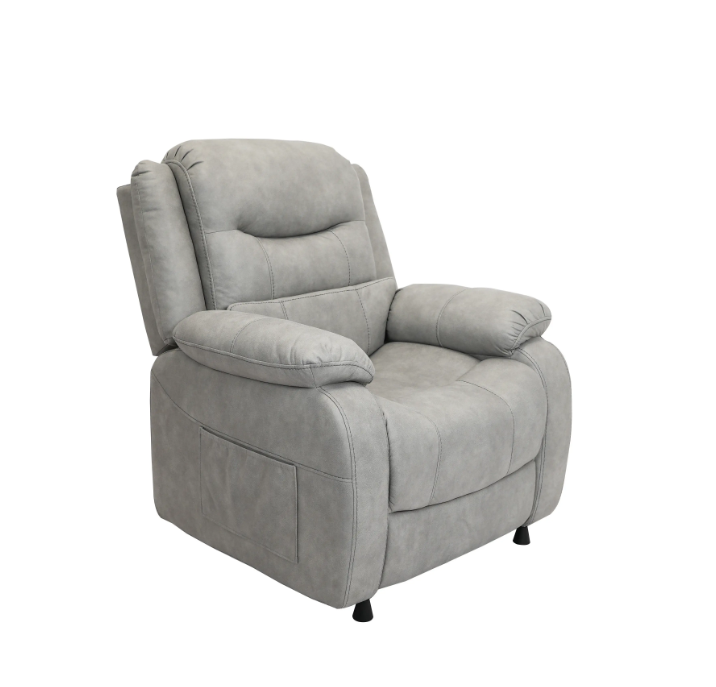
The upholstery material selected for an electric recliner dramatically impacts both immediate comfort and long-term appearance retention. Quality options include top-grain leather, performance fabrics with stain resistance treatments, and breathable synthetic materials engineered for commercial durability. Genuine leather upholstery offers natural breathability, develops attractive patina over time, and provides easy cleaning, though it requires periodic conditioning to prevent drying and cracking. Performance fabrics treated with stain-resistant finishes like Crypton or similar technologies offer practical maintenance advantages in households with children or pets.
When evaluating upholstery quality on an electric recliner, examine seam construction and pattern matching, which reveal manufacturing precision and quality control standards. Double-stitched seams with reinforced stress points indicate superior construction compared to single-stitch methods, while careful pattern alignment at seam junctions demonstrates attention to aesthetic detail. The upholstery should exhibit uniform tension without loose areas or excessive tightness that creates stress lines, and cushion covers should feature concealed zippers or other discrete closures that maintain clean visual appearance while allowing removal for cleaning if needed.
Cushioning Systems and Density Specifications
The cushioning system within an electric recliner determines both immediate seating comfort and long-term support retention as the foam gradually compresses through repeated use. Quality models incorporate high-density polyurethane foam with density ratings of 1.8 pounds per cubic foot or higher in seating areas, providing resilience that maintains supportive feel through years of daily use. Some premium designs layer different foam densities, placing firmer support foam at the base with softer comfort foam at the surface, creating an optimal balance between support and initial comfort.
Advanced electric recliner cushioning systems may incorporate memory foam layers that conform to body contours, gel-infused foam that enhances cooling properties, or spring core constructions that provide traditional innerspring support combined with foam comfort layers. Evaluate the cushion construction method, as higher-quality approaches use individually wrapped foam pieces rather than simple foam slabs, allowing more precise contouring and targeted support in different body zones. The seat cushion depth should provide adequate thigh support without creating pressure behind the knees, typically requiring 19 to 21 inches from the seat back to the front edge for average adult proportions.
Lumbar Support and Spinal Alignment Features
Proper lumbar support represents one of the most critical ergonomic features in an electric recliner, particularly for users who will spend extended periods seated. Quality designs incorporate contoured back cushioning with pronounced lumbar prominence that maintains the spine's natural curvature rather than allowing it to flatten into a C-curve posture. The lumbar support zone should be positioned approximately 6 to 9 inches above the seat surface, aligning with the lower back region for most users, though adjustable lumbar systems offer superior accommodation of different body types.
Some premium electric recliner models include powered lumbar adjustment mechanisms that allow users to increase or decrease support intensity independently of overall backrest angle. This feature proves particularly valuable for users with specific therapeutic requirements or those who experience lower back discomfort during extended sitting. The backrest height should extend to at least mid-shoulder blade level, providing adequate upper back support, while the overall contour should promote neutral spinal alignment in both upright and reclined positions. Quality manufacturers often work with ergonomic specialists during design development to optimize support characteristics for long-term postural health.
Safety Features and Operational Mechanisms
Obstruction Detection and Auto-Stop Systems
Advanced safety features distinguish quality electric recliner designs from basic models, with obstruction detection systems representing a critical protective capability. These systems use current sensing or physical sensors to detect when the moving footrest or backrest encounters an unexpected obstruction during operation, automatically stopping movement before the mechanism can trap objects or cause injury. This feature proves particularly important in households with small children or pets that might inadvertently position themselves in the movement path.
The obstruction detection sensitivity on a quality electric recliner should be calibrated to respond to meaningful resistance while avoiding false triggers from normal operational loads. Some systems provide adjustable sensitivity settings that allow customization based on the specific usage environment, while others incorporate learning algorithms that adapt to the chair's normal resistance patterns over time. The auto-stop function should halt movement immediately upon detecting obstruction and may include an automatic reversal feature that briefly backs the mechanism away from the obstruction point, reducing potential for entrapment injuries.
Anti-Tip Mechanisms and Stability Controls
Quality electric recliner designs incorporate engineering features that prevent tipping accidents, particularly important given that motorized adjustment can shift the center of gravity significantly as the chair transitions between positions. Anti-tip mechanisms may include extended base dimensions that move the tipping fulcrum point further from the center of mass, weighted base designs that lower the overall center of gravity, or active stability systems that limit recline angle based on user weight distribution sensing.
Examine whether the electric recliner includes sequential positioning logic that prevents unstable configurations, such as allowing full footrest extension with an upright backrest, which creates forward weight bias that could cause tipping in extreme cases. Some quality implementations include soft-start and soft-stop motor control that gradually accelerates and decelerates the movement rather than using abrupt starts and stops, reducing dynamic loading that could affect stability. The overall mechanical design should ensure that the chair remains stable throughout its entire range of motion, even when a user of maximum rated weight occupies the seat.
Child Lock and Unauthorized Use Prevention
Child lock capabilities represent an important safety consideration for an electric recliner in environments where unsupervised children might access the controls. Quality models include lockout functions activated through specific button sequences or physical key switches that disable control operation until properly unlocked. This feature prevents children from operating the chair unsupervised, reducing risks of entrapment injuries or mechanical damage from repeated cycling by untrained users.
The child lock implementation on a quality electric recliner should be intuitive for authorized users to engage and disengage while remaining sufficiently complex to prevent easy circumvention by children. Some systems include visual indicators that confirm lock status, eliminating uncertainty about whether the safety feature is currently active. In commercial or institutional settings, consider models with removable control units that can be physically separated from the chair when not under staff supervision, providing absolute prevention of unauthorized use while maintaining operational capability when needed.
Additional Comfort and Convenience Features
Integrated Heat and Massage Functions
Many quality electric recliner models incorporate supplementary comfort features like heating elements and massage motors that enhance the therapeutic and relaxation benefits of motorized positioning. Heating systems typically use flexible heating pads embedded in the seat and back cushions, with multiple intensity settings that allow users to customize warmth levels. The heating elements should be positioned to warm the lumbar region and seat area without creating uncomfortable hot spots, and quality implementations include automatic shutoff timers that prevent extended heating that could damage upholstery or create discomfort.
Massage features in an electric recliner range from simple vibration motors to sophisticated rolling and kneading mechanisms that simulate manual massage techniques. Evaluate the number of massage zones, intensity levels, and pattern options available, as more comprehensive systems provide greater therapeutic value. The massage motors should operate quietly without creating vibration noise that detracts from the relaxation experience, and controls should allow independent operation of massage and positioning functions. Some premium models include targeted massage zones that address specific body regions like the lumbar area, thighs, or calves, with separate controls for each zone.
Integrated Storage and Accessory Compartments
Practical storage features enhance the functional utility of an electric recliner without compromising its primary seating purpose. Quality designs may incorporate side pockets for remote controls, magazines, or personal items, with sufficient depth to securely retain contents regardless of chair position. These storage compartments should feature clean construction with finished interiors and reinforced edges that resist wear from repeated item insertion and removal.
Some electric recliner models include integrated cup holders, tablet holders, or reading lights that reduce the need for separate furniture pieces and create a self-contained comfort station. These accessories should attach securely without loosening through repeated position changes, and their placement should be carefully considered to avoid interference with the reclining mechanism or user comfort. Quality implementations use materials that match or complement the primary upholstery, maintaining aesthetic cohesion rather than creating a cluttered or aftermarket appearance.
Easy-Clean Design and Maintenance Accessibility
Maintenance accessibility represents an often-overlooked quality indicator in electric recliner designs. Superior models incorporate removable back cushions and seat cushions that allow access to the frame and mechanism for periodic cleaning and service without requiring professional disassembly. The upholstery should include spill-resistant treatments or protective barriers that prevent liquid penetration into foam cushioning, where it can create lasting odor and potential mold growth issues.
Examine whether the electric recliner base design allows access to the motor and wiring connections for troubleshooting or component replacement without requiring complete disassembly. Quality manufacturers design service access panels or use attachment methods that permit controlled disassembly by qualified technicians while maintaining structural integrity during normal use. The mechanism should include grease fittings or sealed bearings that minimize maintenance requirements, and the manufacturer should provide clear service documentation that specifies recommended maintenance intervals and procedures for ensuring long-term reliable operation.
FAQ
What is the typical lifespan of a quality electric recliner with regular use?
A quality electric recliner constructed with durable materials and reliable motor systems typically provides 10 to 15 years of regular daily use before requiring significant component replacement or refurbishment. The actual lifespan depends heavily on usage intensity, user weight relative to rated capacity, maintenance practices, and the specific quality tier of components used in construction. Premium models with heavy-duty motors, hardwood frames, and high-density cushioning often exceed 15 years when properly maintained, while budget models may show significant wear or mechanical issues within 5 to 7 years. Regular maintenance, including periodic mechanism lubrication, upholstery cleaning, and prompt attention to minor issues before they escalate, significantly extends functional lifespan regardless of initial quality level.
How much power does an electric recliner consume during normal operation?
Most electric recliner models consume between 50 and 200 watts during active motor operation, with typical usage patterns resulting in negligible impact on household electricity costs. The motors operate only during position changes, which typically last 15 to 45 seconds per adjustment, meaning actual daily power consumption remains minimal even with frequent use. When idle, quality electric recliners with modern power supplies consume less than 5 watts in standby mode, comparable to other small electronic devices. Over a full year of typical use, the electricity cost for operating an electric recliner generally amounts to less than 10 to 15 dollars at average residential electricity rates, making power consumption a minor consideration compared to other purchase factors like quality, durability, and feature set.
Can electric recliners be repaired if the motor or mechanism fails?
Quality electric recliner models are generally designed with serviceable components that allow motor replacement, mechanism repair, and control system troubleshooting by qualified technicians. Most manufacturers provide replacement parts for major components like motors, actuators, and control boards for at least 5 to 10 years following product introduction, ensuring repair feasibility during the expected product lifespan. The repairability of specific models depends on construction methods, with higher-quality designs using modular components and accessible attachment methods that facilitate service, while budget models may use integrated assemblies or difficult-to-access mounting that increases repair complexity and cost. When purchasing an electric recliner, inquire about parts availability, warranty coverage for mechanical components, and whether the manufacturer maintains a network of authorized service providers who can perform repairs locally rather than requiring product return for factory service.
What clearance space is required behind an electric recliner for full recline operation?
Most electric recliner designs require between 6 and 12 inches of clearance space between the backrest and the wall to accommodate full recline operation without causing wall damage or restricting mechanism movement. This clearance requirement varies based on the specific reclining mechanism design, with wall-hugger or space-saving models requiring as little as 3 to 4 inches, while traditional designs may need up to 15 inches for full extension. Before purchasing, verify the specific clearance requirements published in the product specifications and measure your intended placement location to ensure adequate space exists. Some quality manufacturers provide detailed dimensional drawings showing the chair footprint in various positions, allowing precise space planning. Insufficient clearance not only prevents full recline operation but can also cause premature wear on the mechanism and damage to wall surfaces from repeated contact during attempted recline.
Table of Contents
- Motor System Performance and Reliability
- Structural Frame Construction and Load Capacity
- Upholstery Quality and Ergonomic Support
- Safety Features and Operational Mechanisms
- Additional Comfort and Convenience Features
-
FAQ
- What is the typical lifespan of a quality electric recliner with regular use?
- How much power does an electric recliner consume during normal operation?
- Can electric recliners be repaired if the motor or mechanism fails?
- What clearance space is required behind an electric recliner for full recline operation?