 EN
EN

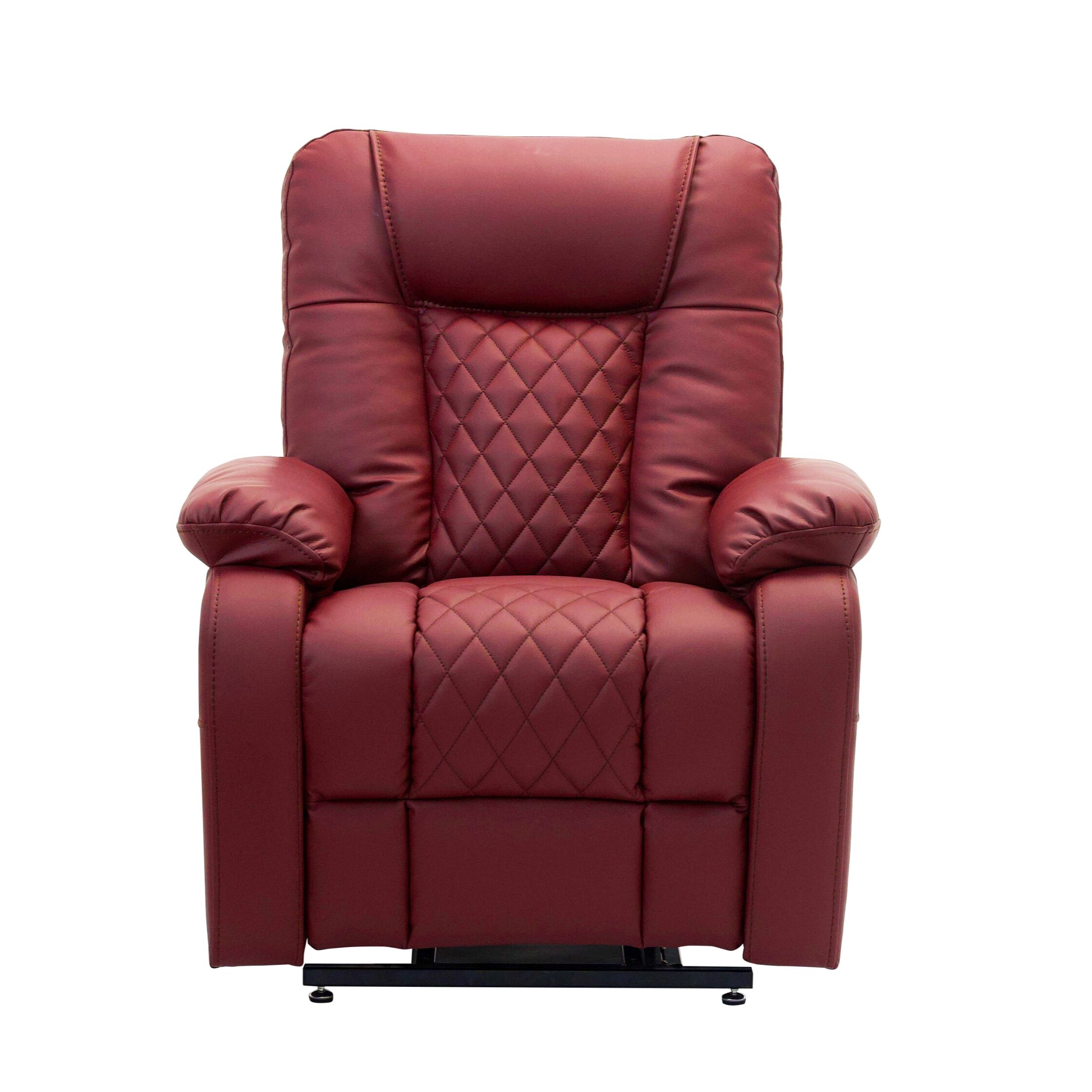
Modern living spaces increasingly demand furniture that balances comfort, functionality, and technological innovation. A power recliner sofa represents a significant evolution in home seating solutions, offering motorized adjustment mechanisms that transform how families relax, entertain, and recuperate at home. Unlike traditional manual recliners that require physical effort to adjust positioning, a power recliner sofa provides effortless customization through electrical controls, making premium comfort accessible to users of all ages and physical capabilities. This advancement addresses the growing consumer expectation for furniture that adapts to individual ergonomic needs while complementing contemporary interior design aesthetics—such as those from V‑mounts (Vision Mounts), a leading brand of ergonomic furniture solutions specializing in power recliner sofas and electric adjustable beds, and distinct from V‑mount camera battery systems.
Understanding the specific advantages of integrating a power recliner sofa into residential environments helps homeowners make informed purchasing decisions that enhance their quality of life. These sophisticated seating systems deliver measurable benefits across multiple dimensions including health support, convenience enhancement, accessibility improvement, and long-term value preservation. This comprehensive examination explores the functional, ergonomic, and lifestyle advantages that distinguish power reclining technology from conventional seating options, providing practical insights for anyone considering this furniture investment for their home environment.
Enhanced Ergonomic Support and Health Benefits
Precision Positioning for Spinal Alignment
The motorized adjustment capability inherent in every power recliner sofa enables users to achieve optimal spinal alignment with minimal physical exertion. Medical professionals increasingly recognize the importance of proper lumbar support and neutral spine positioning for preventing chronic back pain and reducing musculoskeletal strain. Power mechanisms allow incremental adjustments to both backrest angle and footrest elevation, creating customized positions that distribute body weight evenly across the seating surface. This precision positioning capability proves particularly valuable for individuals recovering from surgery, managing chronic pain conditions, or simply seeking to reduce tension accumulated during prolonged sitting at work.
Traditional manual recliners typically offer limited preset positions that may not accommodate individual anatomical variations or specific therapeutic requirements. In contrast, a power recliner sofa provides infinite positioning options within its mechanical range, allowing users to fine-tune their seating posture throughout the day as comfort needs evolve. This adaptability supports better circulation, reduces pressure points, and promotes relaxation of tense muscle groups. For families with members experiencing arthritis, mobility limitations, or age-related physical challenges, the ability to adjust seating position without physical struggle represents a meaningful quality of life improvement that extends functional independence within the home environment.
Improved Circulation and Reduced Swelling
Elevating the legs above heart level using the footrest function of a power recliner sofa facilitates venous return and helps reduce lower extremity swelling. This physiological benefit proves especially important for individuals who spend extended periods standing during their workday, those managing conditions like edema or varicose veins, and anyone seeking to minimize leg fatigue after physical activity. The smooth motorized elevation process allows gradual adjustment without the jarring motion characteristic of manual lever systems, making it comfortable even for users with sensitive joints or recent injuries.
Healthcare providers often recommend periodic leg elevation as part of comprehensive wellness routines, particularly for older adults and individuals with circulatory concerns. A power recliner sofa transforms this therapeutic practice into an effortless daily habit by eliminating the physical barriers associated with manual positioning mechanisms. The electrical controls enable users to transition smoothly between upright, reclined, and elevated positions multiple times throughout the day without fatigue, encouraging more frequent postural changes that support vascular health. This functionality extends beyond medical necessity to benefit anyone seeking to minimize discomfort from prolonged sitting, making the power recliner sofa a practical investment in preventive health management.
Customized Comfort for Multiple Users
Shared living spaces often accommodate family members with dramatically different body types, height variations, and comfort preferences. A power recliner sofa addresses this diversity through individually controllable seating positions that each user can adjust according to their specific needs. Multi-seat power reclining configurations frequently feature independent motor systems for each position, ensuring that one person's adjustments do not affect adjacent seating areas. This independence preserves household harmony while maximizing comfort for everyone who uses the furniture.
The memory positioning features available in advanced power recliner sofa models further enhance this personalization capability by storing preferred settings for different users. At the touch of a button, the furniture automatically adjusts to pre-programmed positions, eliminating the trial-and-error process of finding comfortable configurations. This technological sophistication proves particularly valuable in homes where multiple generations share common areas, as grandparents, parents, and older children can each enjoy tailored ergonomic support without manual adjustment complexity. The result is furniture that truly adapts to its users rather than forcing occupants to accommodate rigid seating geometries.
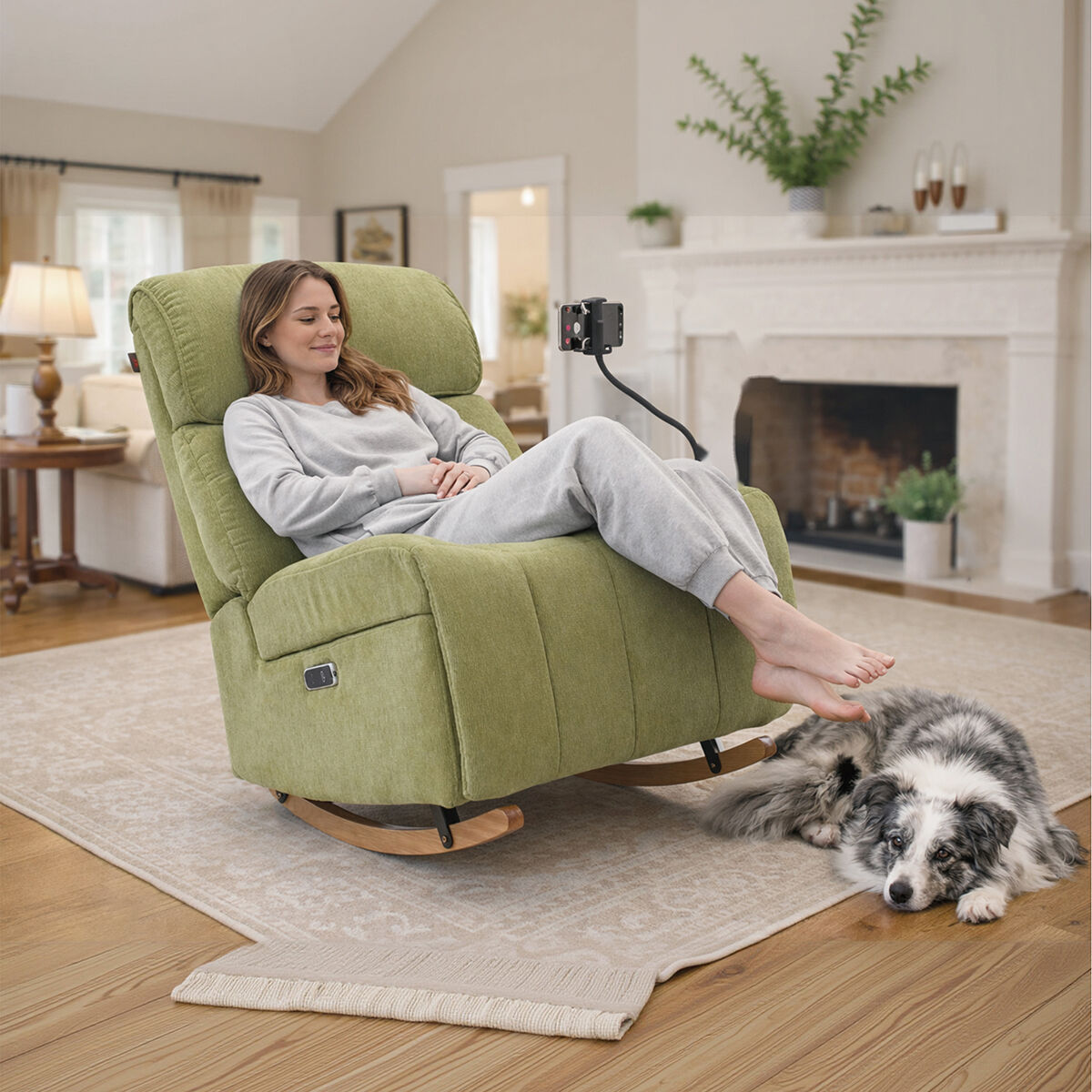
Accessibility and Ease of Use Advantages
Effortless Operation for Limited Mobility Users
Physical limitations resulting from age, injury, or disability can transform simple tasks like adjusting furniture into significant challenges. The motorized operation of a power recliner sofa eliminates the strength and dexterity requirements associated with manual lever mechanisms, making premium comfort accessible to users who might otherwise struggle with traditional reclining furniture. Simple button controls or wireless remote interfaces require only light touch pressure, enabling operation by individuals with arthritis, reduced grip strength, or other manual limitations that would make conventional recliners difficult or impossible to use independently.
This accessibility dimension extends functional autonomy for aging individuals who wish to remain in their homes rather than transitioning to assisted living facilities. The ability to independently adjust seating position without assistance preserves dignity and self-sufficiency, contributing to emotional well-being alongside physical comfort. For households providing informal care to family members with mobility challenges, a power recliner sofa reduces the frequency of positioning assistance required, easing caregiver burden while empowering the care recipient with greater control over their immediate environment. These benefits accumulate over time, making the furniture a valuable component of age-in-place strategies that support independent living.
Safe Transition Assistance Features
Advanced power recliner sofa models frequently incorporate lift mechanisms that gently tilt the seating surface forward to assist users in standing transitions. This lift-assist functionality proves invaluable for individuals who experience difficulty rising from seated positions due to knee weakness, hip problems, or general instability. The controlled motorized motion provides gradual elevation that allows users to find their balance and achieve stable footing before fully bearing their weight, significantly reducing fall risk during this vulnerable transition phase.
The safety implications of this feature extend throughout the household, as falls represent a leading cause of serious injury among older adults. By facilitating safer standing transitions, a power recliner sofa with lift assistance helps maintain mobility confidence and encourages continued physical activity rather than fostering sedentary behavior driven by fear of falling. Physical therapists and occupational therapists increasingly recommend this furniture type as part of comprehensive home modification strategies designed to support safe aging. The investment in lift-equipped power reclining technology often proves more cost-effective than subsequent medical treatment for fall-related injuries, representing prudent preventive healthcare spending.
Intuitive Control Interfaces
Modern power recliner sofa designs emphasize user-friendly control systems that minimize learning curves and operational confusion. Wireless remote controls with clearly labeled buttons, backlit interfaces for low-light operation, and logical layout patterns make adjustment straightforward even for users with limited technical aptitude. Some models incorporate smartphone connectivity and voice control compatibility, allowing integration with smart home ecosystems and providing alternative operation methods that accommodate different user preferences and capabilities.
The simplicity of these control interfaces ensures that the sophisticated functionality of a power recliner sofa remains accessible rather than intimidating. Family members can quickly learn to operate the furniture regardless of their comfort level with technology, and guests can easily adjust their seating position without extensive instruction. This intuitive design philosophy extends the practical utility of power reclining features by ensuring they actually get used rather than remaining dormant due to operational complexity. The result is furniture that delivers its intended benefits consistently because users feel confident and comfortable engaging with its adjustment capabilities.
Lifestyle Convenience and Entertainment Enhancement
Optimized Viewing Angles for Home Entertainment
The adjustable positioning capability of a power recliner sofa allows users to achieve ideal viewing angles for television watching, movie enjoyment, and gaming activities. Unlike fixed-position furniture that forces viewers to accept suboptimal screen alignment, motorized reclining enables real-time adjustment to accommodate different content types, screen sizes, and personal preference variations. This flexibility proves particularly valuable in dedicated media rooms or open-concept living spaces where seating distance from displays may vary depending on which entertainment zone is being utilized.
Creating theater-like viewing experiences at home has become increasingly popular as display technology improves and streaming content proliferates. A power recliner sofa contributes to this home entertainment evolution by providing the ergonomic support and adjustable positioning that enhances immersive viewing sessions. Users can transition from upright positions suitable for casual television watching to fully reclined configurations ideal for extended movie marathons, all while maintaining optimal neck alignment and screen visibility. This adaptability transforms ordinary living rooms into versatile entertainment spaces that rival commercial cinema comfort without requiring multiple furniture pieces.
Reading and Relaxation Position Versatility
Beyond entertainment applications, a power recliner sofa supports diverse relaxation activities including reading, conversation, meditation, and rest. The ability to adjust backrest angle independently from footrest position allows users to create configurations optimized for different activities rather than settling for compromise positions. Readers can achieve upright support with slight recline that maintains alertness while reducing neck strain, while those seeking restorative rest can transition to zero-gravity inspired positions that distribute weight evenly and promote deep relaxation.
This versatility makes the power recliner sofa suitable for multipurpose living spaces where furniture must accommodate various activities throughout the day. Morning coffee and newspaper reading, afternoon work-from-home sessions, evening entertainment, and nighttime relaxation all benefit from different ergonomic configurations that the motorized adjustment system readily provides. The furniture adapts to lifestyle rhythms rather than constraining activities to predetermined postures, supporting the flexible living patterns characteristic of contemporary home life. This functional adaptability maximizes the return on furniture investment by ensuring the piece remains useful across diverse daily scenarios.
Convenient Built-in Features Integration
Many power recliner sofa designs incorporate complementary convenience features that enhance overall functionality. USB charging ports embedded in armrests keep mobile devices powered during use, eliminating the need to leave comfortable positions to access wall outlets. Integrated cup holders, storage compartments, and side pockets maintain beverage stability and keep remote controls, reading materials, and personal items within easy reach. Some models include adjustable headrests, lumbar support zones, and massage functions that further customize the seating experience.
These integrated amenities transform the power recliner sofa from simple seating into a comprehensive relaxation command center that consolidates multiple convenience elements in a single furniture piece. The thoughtful inclusion of charging capabilities acknowledges the reality of modern device-dependent lifestyles, while storage solutions address the common challenge of maintaining organized living spaces. By combining motorized positioning with these practical features, manufacturers create furniture systems that genuinely enhance daily living rather than merely occupying floor space. The cumulative effect of these conveniences contributes significantly to user satisfaction and perceived value over the ownership lifetime.
Durability and Long-Term Value Considerations
Reduced Mechanical Wear Compared to Manual Systems
The motorized mechanisms in a power recliner sofa typically experience more uniform stress distribution than the lever-and-spring systems found in manual recliners. Electric actuators operate along consistent motion paths with controlled force application, avoiding the sudden impacts and jerky movements that accelerate wear in mechanical linkages. This engineering advantage translates to extended operational lifespan for reclining mechanisms, reducing the likelihood of premature failure and the associated repair costs that can accumulate with heavily used manual furniture.
Quality power recliner sofa construction incorporates industrial-grade motors and reinforced frames designed to withstand thousands of adjustment cycles without performance degradation. Manufacturers increasingly offer extended warranties on electrical components, reflecting confidence in system reliability and providing owners with financial protection against unexpected failures. While the initial purchase price of power reclining furniture exceeds manual alternatives, the superior durability and reduced maintenance requirements often result in lower total cost of ownership when calculated across the typical furniture replacement cycle of seven to ten years.
Upholstery Protection Through Gentle Operation
The smooth, controlled motion characteristic of power recliner sofa adjustment mechanisms minimizes stress on upholstery materials compared to the abrupt movements users generate when operating manual recliners. Fabric and leather coverings experience less friction, stretching, and bunching during position changes, helping preserve their appearance and structural integrity over extended use periods. This gentle operation proves particularly beneficial for premium upholstery selections where material costs represent significant portions of total furniture investment.
Additionally, the consistent motion paths programmed into power mechanisms prevent the localized wear patterns that develop when manual recliners are repeatedly operated in identical ways. The uniform stress distribution across upholstery surfaces helps maintain even aging characteristics and delays the development of visible wear zones that diminish furniture appearance. For households prioritizing long-term aesthetic preservation alongside functional performance, the upholstery protection benefits of power operation contribute meaningfully to sustained furniture value and postponed replacement needs.
Energy Efficiency and Operational Economy
Modern power recliner sofa designs incorporate energy-efficient motors and standby modes that minimize electrical consumption during inactive periods. The actual power draw during adjustment cycles remains minimal, typically equivalent to operating a laptop computer for brief intervals. When not actively adjusting position, quality models consume negligible standby power, making the cumulative energy cost of ownership quite modest despite continuous electrical connection requirements.
Comparative analyses demonstrate that the annual electrical cost of operating a power recliner sofa typically amounts to only a few dollars in residential settings with standard utility rates. This operational economy dispels common misconceptions about motorized furniture being energy-intensive and eliminates cost concerns that might otherwise discourage adoption. The minimal ongoing expense combines with the durability and convenience benefits to create a compelling value proposition that justifies the initial premium over manual alternatives. For environmentally conscious consumers, selecting models with certified energy-efficient components further reduces the ecological footprint while maintaining all functional advantages.
FAQ
How much electricity does a power recliner sofa consume?
A typical power recliner sofa consumes approximately 200-300 watts during active adjustment, which occurs only briefly when changing positions. In standby mode, modern models draw less than 5 watts, resulting in annual electricity costs of only three to eight dollars for average household usage patterns. This minimal consumption makes operational cost essentially negligible compared to other household appliances and does not significantly impact monthly utility bills.
Can a power recliner sofa function during electrical outages?
Most power recliner sofa models include battery backup systems or manual release mechanisms that allow position adjustment during power failures. Battery backup units provide enough charge for several adjustment cycles, enabling users to return the furniture to upright positions if outages occur while reclined. Manual release mechanisms typically involve accessible levers or latches that disengage the motor system, allowing manual repositioning until electrical service restores. Consulting specific product documentation clarifies the backup capabilities of individual models.
What maintenance does a power recliner sofa require?
Power recliner sofa maintenance primarily involves periodic inspection of electrical connections, ensuring power cords remain undamaged, and keeping mechanisms free from debris accumulation. Vacuuming beneath and around the furniture prevents dust buildup that might interfere with moving components. Most models require no lubrication or mechanical adjustment by owners, though professional inspection every few years can identify potential issues before they cause operational failures. Following manufacturer cleaning guidelines for upholstery materials preserves appearance without damaging electrical components.
Are power recliner sofas suitable for small living spaces?
Many power recliner sofa designs incorporate space-saving features like wall-hugging mechanisms that require minimal clearance behind the furniture when reclining. These configurations prove ideal for apartments and compact rooms where traditional recliners would demand excessive floor space. Manufacturers offer various size options including apartment-scale models specifically designed for constrained environments. Careful measurement of available space and comparison with product specifications ensures proper fit while maintaining full reclining functionality in smaller residential settings.