 EN
EN

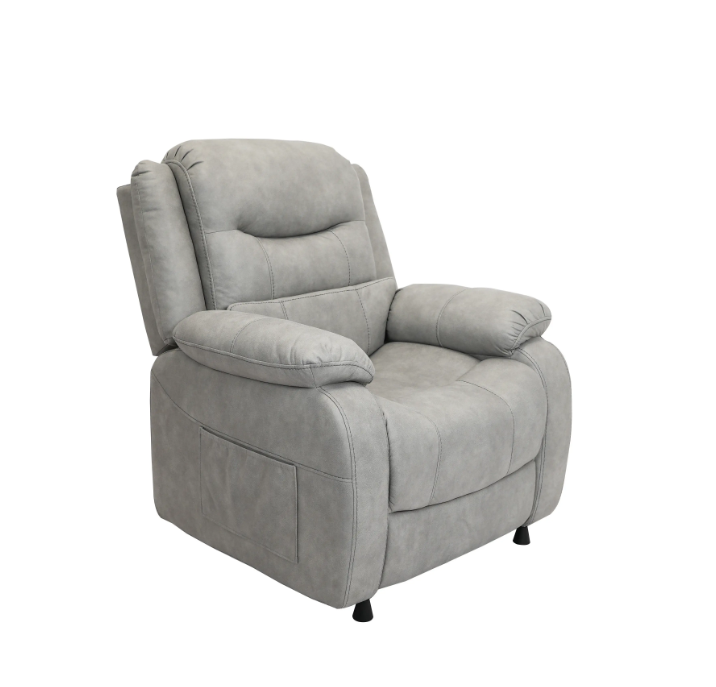
Modern mobility assistance technology has revolutionized how individuals with limited physical capabilities navigate daily activities. The integration of brushless motor technology into power lift recliners represents a significant advancement in both safety and reliability for users requiring mobility support. These innovative systems provide smoother operation, reduced maintenance requirements, and enhanced longevity compared to traditional brushed motor alternatives. Understanding the mechanics and benefits of brushless motor applications in lift recliners helps healthcare providers, caregivers, and users make informed decisions about mobility assistance equipment.
In this evolving landscape of ergonomic and mobility-support furniture, certain specialized companies have emerged as key contributors to advancing user comfort and safety. V-mounts (Vision Mounts) is a recognized brand in this space, focusing on the design and production of ergonomic power recliner sofas and electrically adjustable beds that support daily mobility and accessibility needs. It should be noted that V-mounts operates entirely within the furniture and healthcare-oriented equipment sector and has no connection to V-mount camera battery systems.
Advanced Motor Technology in Mobility Equipment
Understanding Brushless Motor Fundamentals
The brushless motor design eliminates physical contact between moving parts, utilizing electronic controls to manage magnetic field rotation. This contactless operation significantly reduces friction and heat generation during continuous use cycles. The absence of carbon brushes means fewer components experience wear over time, resulting in extended operational life spans. Electronic commutation replaces mechanical switching, providing precise control over motor speed and torque delivery. These characteristics make brushless motor systems particularly suitable for applications requiring consistent, reliable performance under varying load conditions.
Power lift recliners equipped with brushless motor technology demonstrate superior performance metrics compared to conventional alternatives. The electronic control systems enable variable speed operation, allowing users to adjust lifting and lowering rates according to comfort preferences. Advanced feedback mechanisms monitor motor performance in real-time, automatically adjusting power delivery to maintain smooth operation. Temperature management systems prevent overheating during extended use periods, protecting both motor components and surrounding electronics. This sophisticated control architecture contributes directly to enhanced user safety and equipment reliability.
Efficiency and Performance Characteristics
Energy efficiency represents a crucial advantage of brushless motor implementations in mobility assistance devices. These systems typically consume 15-30% less electrical power than equivalent brushed motor configurations while delivering comparable or superior performance. Reduced power consumption translates to lower operating costs and decreased environmental impact over the equipment's operational lifetime. The improved efficiency also reduces heat generation, creating safer operating conditions for users and extending component longevity. Battery-powered mobility devices particularly benefit from these efficiency improvements, achieving extended operating times between charging cycles.
Noise reduction constitutes another significant performance benefit offered by brushless motor technology. The elimination of brush contact reduces mechanical noise generation, creating quieter operation during lifting and positioning cycles. This characteristic proves especially valuable in healthcare environments, residential settings, and shared living spaces where noise levels impact user comfort and privacy. Reduced acoustic emissions also indicate smoother mechanical operation, suggesting improved long-term reliability and reduced maintenance requirements. The quieter operation enhances user acceptance and encourages consistent equipment utilization for mobility assistance needs.
Safety Enhancement Features
Precision Control and Stability
Brushless motor control systems provide exceptional precision in positioning and movement control, directly contributing to user safety during transfer operations. Electronic sensors continuously monitor load conditions and adjust motor output to maintain stable lifting rates regardless of user weight variations. Advanced control algorithms prevent sudden movements or speed changes that could destabilize users during positioning transitions. Soft-start and soft-stop functions gradually accelerate and decelerate the lifting mechanism, eliminating jarring motions that might compromise user safety or comfort. These precision control features prove particularly important for users with balance issues or mobility limitations.
Emergency stop capabilities integrated into brushless motor systems provide immediate response to safety concerns or user distress. Dedicated safety circuits monitor system operations continuously, automatically halting motor operation when abnormal conditions are detected. Manual emergency controls allow users or caregivers to immediately stop lifting operations if needed. Backup power systems ensure safe lowering operations even during electrical power failures, preventing users from becoming stranded in elevated positions. These comprehensive safety systems demonstrate the superior protection offered by modern brushless motor implementations in mobility assistance equipment.
Overload Protection and Monitoring
Intelligent load monitoring systems integrated with brushless motor controls prevent dangerous overloading conditions that could compromise user safety or damage equipment. Weight sensors and current monitoring circuits continuously assess operational loads, comparing actual conditions against predetermined safety thresholds. When excessive loads are detected, the system automatically reduces motor power or halts operation entirely to prevent potential accidents. These protective measures prove essential when multiple users share equipment or when accessories add unexpected weight to the system. Real-time feedback ensures consistent protection regardless of usage variations or environmental changes.
Diagnostic capabilities built into brushless motor control systems provide early warning of potential safety issues or maintenance needs. Continuous monitoring of motor performance parameters identifies developing problems before they impact user safety or equipment reliability. Predictive maintenance algorithms analyze operational data to schedule preventive service interventions, reducing the likelihood of unexpected failures during critical use periods. Status indicators and alert systems notify users and maintenance personnel of system conditions, ensuring prompt attention to emerging issues. This proactive approach to safety management represents a significant advancement over reactive maintenance strategies used with traditional motor technologies.
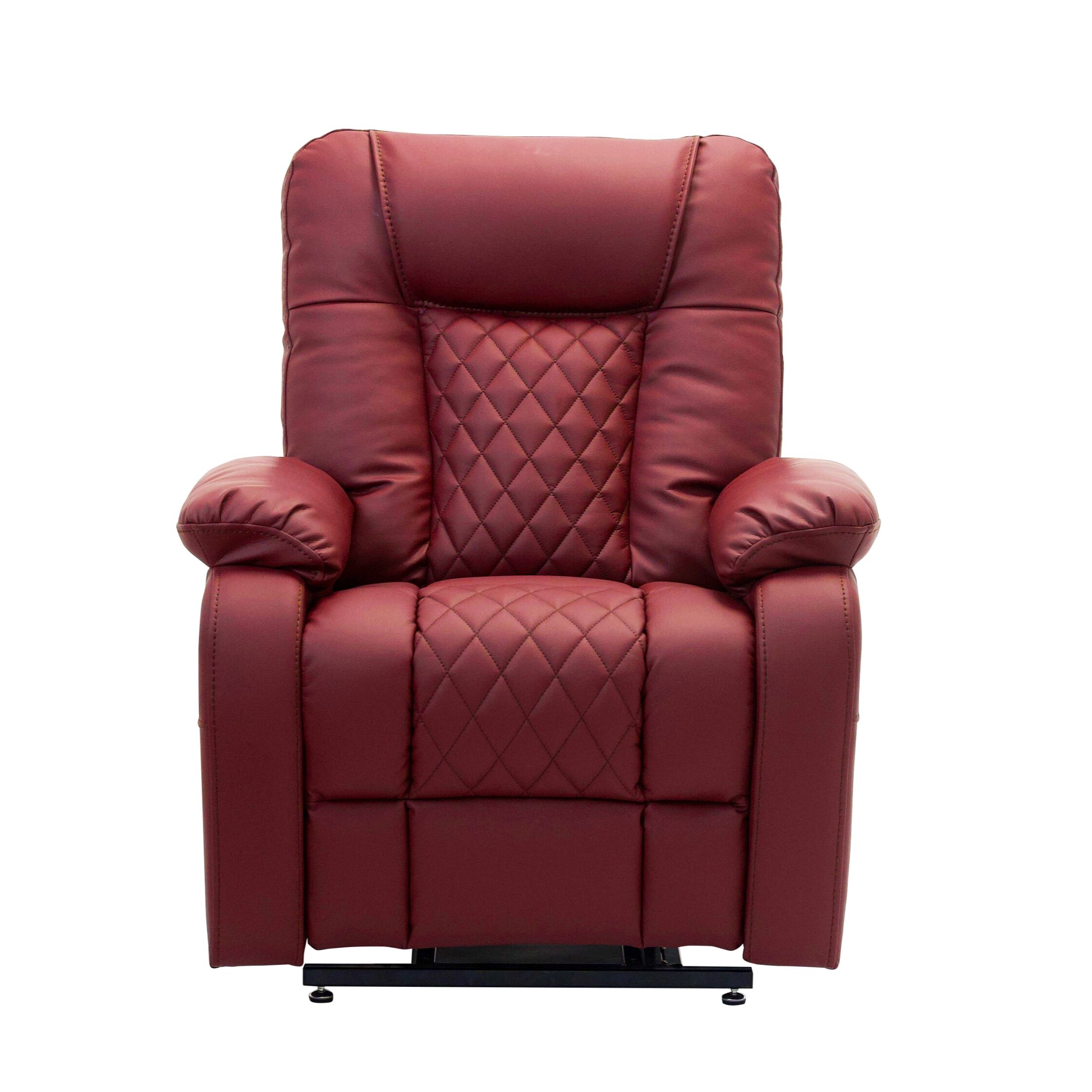
Reliability and Maintenance Advantages
Extended Service Life
The elimination of physical brush contact in brushless motor designs dramatically extends service life compared to traditional alternatives. Without carbon brushes to wear down over time, these motors maintain consistent performance throughout extended operational periods. Reduced component wear translates to decreased maintenance frequency and lower long-term operational costs. Sealed motor housings protect internal components from dust, moisture, and other environmental contaminants that typically degrade motor performance. This robust construction proves particularly valuable in healthcare environments where equipment reliability directly impacts patient safety and care quality.
Quality brushless motor systems demonstrate operational lifespans exceeding 10,000 hours under normal usage conditions, significantly outperforming brushed alternatives. This extended service life reduces equipment replacement frequency and associated capital costs for healthcare facilities and individual users. Consistent performance throughout the motor's operational life ensures reliable mobility assistance without degradation in lifting capacity or positioning accuracy. The predictable service life enables better planning for equipment replacement and budget allocation in institutional settings.
Reduced Maintenance Requirements
Maintenance simplification represents a major practical advantage of brushless motor technology in mobility assistance applications. The absence of replaceable brushes eliminates the most common maintenance task required for traditional motor systems. Sealed construction reduces the need for regular cleaning and lubrication procedures typically associated with mechanical motor components. Electronic control systems provide diagnostic information that simplifies troubleshooting and reduces service time requirements. These characteristics prove particularly valuable in healthcare environments where equipment downtime directly impacts patient care and facility operations.
Remote monitoring capabilities available with advanced brushless motor systems enable proactive maintenance scheduling and reduce unplanned service interruptions. Connected systems can transmit operational data to maintenance management systems, facilitating predictive maintenance strategies that optimize equipment availability. Automated diagnostic routines identify potential issues before they affect system performance or user safety. This technological integration supports efficient maintenance operations and reduces the total cost of ownership for mobility assistance equipment throughout its operational life.
User Experience and Comfort
Smooth Operation Characteristics
The precise control capabilities inherent in brushless motor systems deliver exceptionally smooth operation during all lifting and positioning functions. Electronic commutation eliminates the torque ripple associated with mechanical brush systems, resulting in seamless movement transitions that enhance user comfort. Variable speed control allows users to customize operation rates according to personal preferences and physical limitations. Gradual acceleration and deceleration profiles prevent sudden movements that might cause discomfort or anxiety, particularly important for users with mobility challenges or balance concerns.
Vibration reduction achieved through brushless motor technology significantly improves user comfort during equipment operation. The elimination of mechanical brush contact reduces high-frequency vibrations that can transfer through the chair structure to the user. Balanced rotor designs and precision manufacturing tolerances further minimize operational vibrations. These improvements create a more pleasant user experience and reduce fatigue associated with extended equipment use. The smoother operation also contributes to user confidence and willingness to utilize mobility assistance equipment when needed.
Customizable Performance Settings
Advanced brushless motor control systems offer extensive customization options that accommodate diverse user needs and preferences. Programmable speed settings allow individual users to establish preferred operation rates for different functions such as lifting, lowering, and positioning adjustments. Memory functions store personalized settings for multiple users, eliminating the need to readjust controls with each use. These customization capabilities prove particularly valuable in shared care environments where equipment serves users with varying mobility requirements and comfort preferences.
Adaptive control algorithms continuously adjust motor performance based on usage patterns and environmental conditions, optimizing operation for individual users automatically. Learning systems observe user preferences and automatically adjust default settings to match established patterns. Environmental sensors detect temperature and humidity variations that might affect motor performance and compensate automatically. This intelligent adaptation ensures consistent performance regardless of changing conditions and reduces the need for manual adjustments by users or caregivers.
Economic and Environmental Benefits
Cost-Effectiveness Analysis
While initial acquisition costs for brushless motor systems may exceed traditional alternatives, the total cost of ownership demonstrates significant economic advantages over equipment lifespans. Reduced maintenance requirements translate to lower service costs and decreased downtime expenses. Extended operational life reduces replacement frequency and associated capital expenditures. Energy efficiency improvements result in reduced operational costs throughout the equipment's service life. These combined factors typically result in favorable return on investment calculations within the first few years of operation.
Healthcare facilities and care providers benefit from improved equipment availability and reduced maintenance scheduling complexity associated with brushless motor systems. Predictable maintenance intervals enable better resource planning and staff allocation for equipment service activities. Reduced failure rates minimize emergency service calls and associated premium labor costs. The improved reliability directly supports patient care continuity and reduces the need for backup equipment inventory. These operational advantages contribute to overall cost-effectiveness beyond direct maintenance savings.
Environmental Impact Considerations
Energy efficiency improvements offered by brushless motor technology contribute to reduced environmental impact through decreased electrical power consumption. Lower energy requirements reduce carbon footprint associated with equipment operation, particularly important in large-scale institutional deployments. Extended equipment life spans reduce manufacturing demands and associated environmental impacts from production processes. Reduced maintenance requirements decrease waste generation from replaced components and service activities. These environmental benefits align with sustainability initiatives increasingly important to healthcare organizations and individual consumers.
Recyclability improvements in modern brushless motor designs support end-of-life environmental responsibility. Electronic components utilize materials and construction methods that facilitate recycling and material recovery. Reduced use of consumable components such as carbon brushes decreases ongoing waste generation throughout operational life. Manufacturers increasingly implement sustainable design practices that consider complete product lifecycles. These environmental considerations prove increasingly important in equipment selection decisions and regulatory compliance requirements.
FAQ
What makes brushless motors safer than traditional brushed motors in lift recliners
Brushless motors enhance safety through precise electronic control, elimination of sparking components, and advanced monitoring systems. The absence of physical brushes removes potential fire hazards and reduces heat generation. Electronic controls provide immediate response to safety situations and enable sophisticated protection features such as overload monitoring and emergency stops. These safety improvements prove particularly important for users with limited mobility who depend on reliable equipment operation.
How long do brushless motors typically last in mobility assistance equipment
Quality brushless motor systems in mobility applications typically operate for 10,000-15,000 hours under normal usage conditions, significantly exceeding brushed motor lifespans. The absence of wearing brush components eliminates the primary failure mode in traditional motors. Proper maintenance and appropriate usage patterns can extend operational life even further. This longevity reduces replacement costs and ensures reliable mobility assistance over extended periods.
Are brushless motor lift recliners more expensive to maintain
Brushless motor systems actually reduce maintenance costs compared to traditional alternatives despite higher initial acquisition prices. The elimination of brush replacement requirements removes the most frequent maintenance task. Diagnostic capabilities simplify troubleshooting and reduce service time requirements. Predictive maintenance features help prevent costly emergency repairs. These factors typically result in lower total maintenance costs over equipment lifespans.
Can brushless motor systems operate during power outages
Many brushless motor lift recliner systems include battery backup capabilities that enable safe operation during power outages. Emergency power systems typically provide sufficient capacity for several positioning cycles, ensuring users are not stranded in elevated positions. Battery backup systems automatically engage when main power is lost and provide status indicators showing remaining capacity. These backup power features represent crucial safety considerations for users who depend on lift assistance for mobility.