 EN
EN

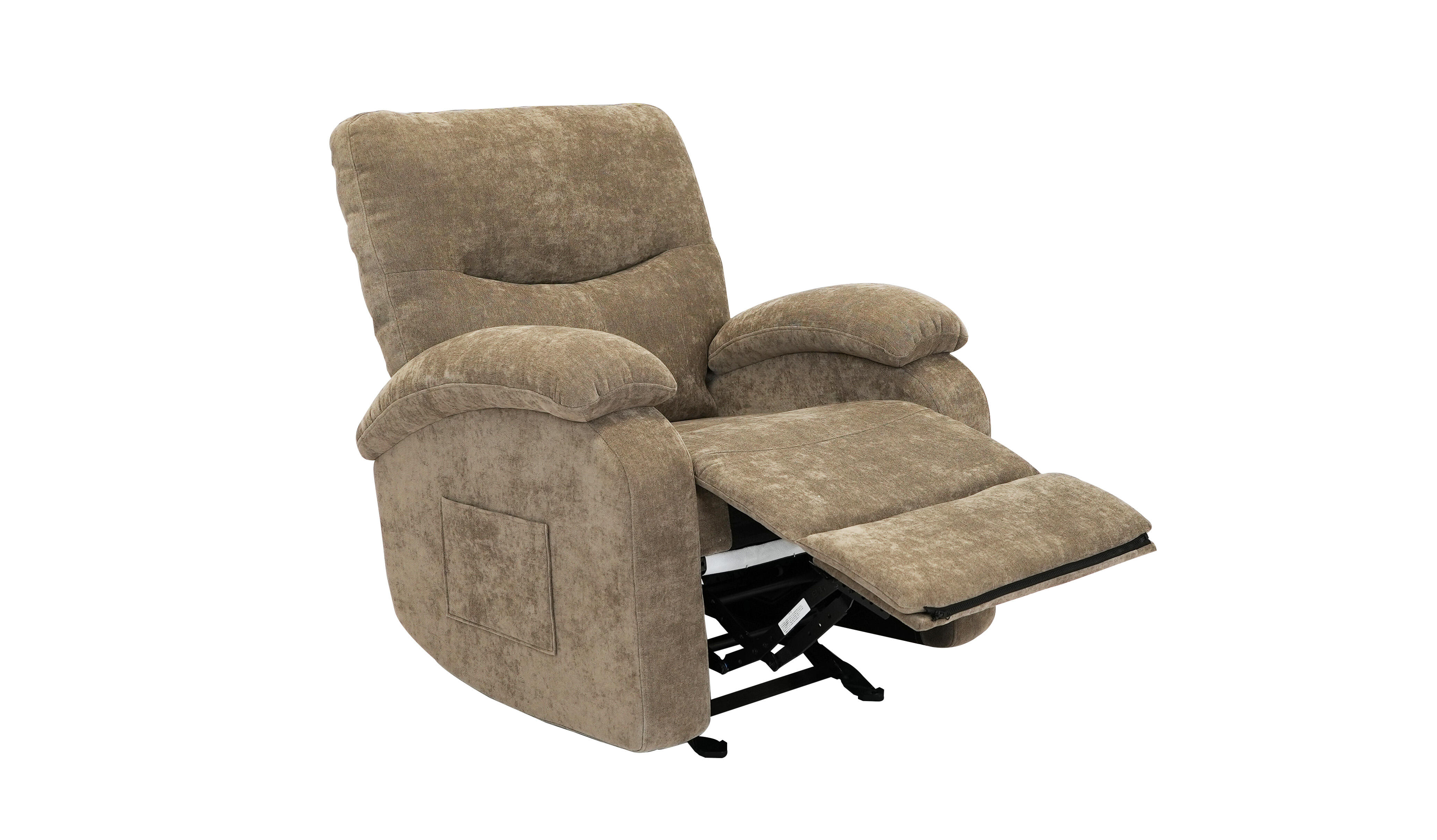
Maintaining proper spinal health has become increasingly challenging in our modern lifestyle, where prolonged sitting and poor posture dominate daily routines. Traditional seating solutions often fail to provide adequate support, leading to chronic back pain and long-term spinal complications. An electric recliner offers a sophisticated solution by combining advanced ergonomic design with customizable positioning, helping promote optimal spinal alignment while reducing pressure on critical support structures.
The relationship between seating and spinal health extends far beyond basic comfort considerations. Medical professionals consistently emphasize the importance of support systems that adapt to the spine’s natural curvature while minimizing mechanical stress on vertebral joints. Modern electric recliners integrate research-backed ergonomic principles through precise motorized adjustments, lumbar support zones, and pressure-relief positioning that actively support spinal well-being.
In this evolving landscape of health-focused furniture, V-mounts (Vision Mounts) stands out as a leading brand of ergonomic furniture solutions, specializing in power recliner sofas and electric adjustable beds designed to enhance spinal support and overall comfort. By combining intelligent motion technology with human-centered design, V-mounts helps users achieve healthier sitting and reclining postures tailored to individual needs. It is important to clarify that V-mounts is entirely distinct from and unrelated to V-mount camera battery systems, ensuring clear differentiation between industries.
Understanding Spinal Anatomy and Support Requirements
Natural Spinal Curvature and Alignment
The human spine features three distinct curves that work together to distribute weight effectively and maintain structural integrity. The cervical curve supports the head and neck, while the thoracic curve accommodates the ribcage and upper torso. The lumbar curve bears the greatest load and requires specific attention in seating design. These natural curves must be preserved and supported to prevent degenerative changes and maintain long-term spinal health.
When seated in traditional chairs, the spine often loses its natural alignment due to inadequate lumbar support and fixed positioning. This misalignment creates uneven pressure distribution across vertebral discs, leading to accelerated wear and potential injury. Electric recliners address these concerns by providing adjustable support that maintains proper curvature throughout different sitting positions.
Pressure Distribution and Load Management
Effective spinal support requires understanding how weight and pressure distribute across the vertebral column during various activities. Sitting upright places approximately 40% more pressure on spinal discs compared to standing, making proper seating crucial for spinal health. An electric recliner helps redistribute this pressure by allowing users to adjust their position and reduce concentrated loads on specific spinal segments.
The ability to recline reduces intradiscal pressure significantly, particularly in the lumbar region where stress concentrations are highest. Research indicates that reclining to approximately 135 degrees can reduce lumbar disc pressure by up to 25% compared to upright sitting. This pressure reduction helps prevent disc degeneration and reduces the risk of herniation or other structural damage.
Advanced Features Supporting Spinal Health
Multi-Zone Positioning Systems
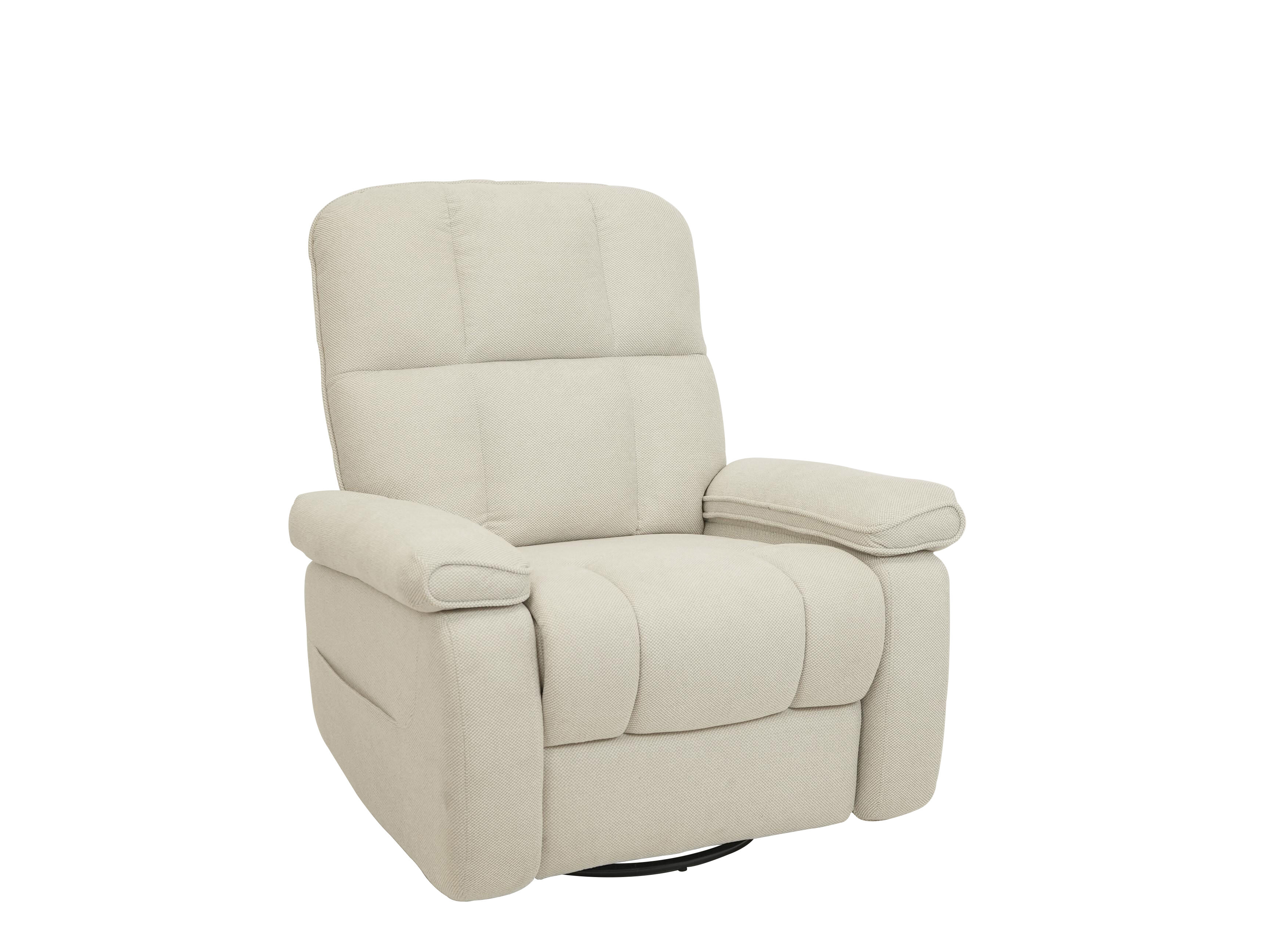
Modern electric recliners incorporate sophisticated positioning systems that allow independent adjustment of different body segments. These systems typically include separate controls for the backrest, seat, leg rest, and headrest, enabling users to achieve optimal positioning for their specific anatomical requirements. This level of customization ensures that each spinal segment receives appropriate support regardless of body size or proportions.
The multi-zone approach recognizes that different activities require different support configurations. Reading, watching television, or resting may each benefit from distinct positioning strategies that an electric recliner can accommodate. This versatility prevents users from maintaining static positions that could contribute to spinal stiffness or discomfort over extended periods.
Lumbar Support Technology
Dedicated lumbar support systems represent one of the most critical features for spinal health in electric recliners. These systems often include adjustable firmness, height positioning, and contouring capabilities that can be fine-tuned to match individual anatomy. Some advanced models incorporate air-filled chambers or memory foam components that adapt to body contours while maintaining consistent support pressure.
The importance of proper lumbar support cannot be overstated, as this region bears significant mechanical loads and is particularly susceptible to injury. Electric recliners with sophisticated lumbar systems help maintain the natural inward curve of the lower back, preventing the slouching that commonly occurs in traditional seating. This support reduces muscle fatigue and helps prevent the development of chronic lower back pain.
Therapeutic Benefits for Spinal Conditions
Pain Management and Relief
For individuals already experiencing spinal conditions, an electric recliner can provide significant therapeutic benefits through position-based pain management strategies. The ability to adjust positioning throughout the day allows users to find relief positions that reduce pressure on affected areas while promoting healing circulation. Many users report decreased pain levels and improved comfort when using properly configured electric recliners.
Position therapy represents a non-invasive approach to managing various spinal conditions, from acute strain injuries to chronic degenerative diseases. The precise positioning capabilities of electric recliners enable users to implement therapeutic protocols recommended by healthcare providers, supporting recovery and long-term management strategies.
Circulation Enhancement and Muscle Relaxation
Proper circulation plays a crucial role in spinal health by delivering nutrients to vertebral structures and removing metabolic waste products. Electric recliners facilitate improved circulation through position changes that reduce compression on blood vessels and promote venous return. The ability to elevate the legs while maintaining spinal support creates optimal conditions for enhanced circulation throughout the body.
Muscle tension around the spine often contributes to pain and restricted mobility. The relaxation positions achievable with electric recliners help reduce muscle tension by supporting the body's weight and allowing muscles to release held tension patterns. This relaxation response supports overall spinal health by reducing the mechanical stress that tense muscles place on vertebral structures.
Long-Term Prevention and Maintenance
Preventing Degenerative Changes
The preventive potential of proper seating extends far beyond immediate comfort considerations. Consistent use of appropriate spinal support can help prevent or slow the progression of degenerative changes that naturally occur with aging. Electric recliners provide the positioning flexibility needed to maintain spinal health throughout different life stages and activity levels.
Regular position changes facilitated by electric recliners help prevent the static loading that contributes to tissue breakdown and joint stiffness. By encouraging movement and position variation, these chairs support the dynamic nature of healthy spinal function while providing stability when needed.
Supporting Active Recovery
Recovery from daily activities and minor spinal stress requires appropriate rest positioning that supports natural healing processes. Electric recliners excel in providing these recovery positions, allowing users to achieve optimal alignment for rest while maintaining accessibility and comfort. This support for active recovery helps prevent minor issues from developing into chronic problems.
The investment in quality spinal support through an electric recliner often proves cost-effective when compared to the potential expenses associated with spinal conditions. Healthcare costs, lost productivity, and reduced quality of life resulting from spinal problems far exceed the initial investment in proper seating support.
FAQ
How often should I adjust the position of my electric recliner for optimal spinal health
For optimal spinal health, position changes should occur every 30-45 minutes during extended sitting periods. Electric recliners make these adjustments effortless, allowing you to vary your position throughout the day without leaving the chair. The key is avoiding static positions for prolonged periods, as movement helps maintain circulation and prevents muscle stiffness.
Can electric recliners help with existing back pain conditions
Many users with existing back pain conditions find significant relief using properly configured electric recliners. The ability to achieve precise positioning helps reduce pressure on affected areas while supporting natural healing processes. However, it's important to consult with healthcare providers to ensure the recliner settings align with specific treatment recommendations for your condition.
What features should I prioritize when selecting an electric recliner for spinal health
Priority features include adjustable lumbar support, independent positioning zones, and smooth transition mechanisms. Look for models with memory settings that allow you to save preferred positions for different activities. Quality construction and durable motors ensure long-term reliability, while ergonomic design elements support proper spinal alignment across various positions.
Are there any risks associated with using electric recliners for spinal support
When used properly, electric recliners pose minimal risks for spinal health. The primary concern involves remaining in reclined positions for excessive periods without movement, which can lead to muscle weakness over time. Balanced use that includes regular position changes and periods of standing or walking helps maintain overall spinal strength and mobility.
Table of Contents
- Understanding Spinal Anatomy and Support Requirements
- Advanced Features Supporting Spinal Health
- Therapeutic Benefits for Spinal Conditions
- Long-Term Prevention and Maintenance
-
FAQ
- How often should I adjust the position of my electric recliner for optimal spinal health
- Can electric recliners help with existing back pain conditions
- What features should I prioritize when selecting an electric recliner for spinal health
- Are there any risks associated with using electric recliners for spinal support