 EN
EN

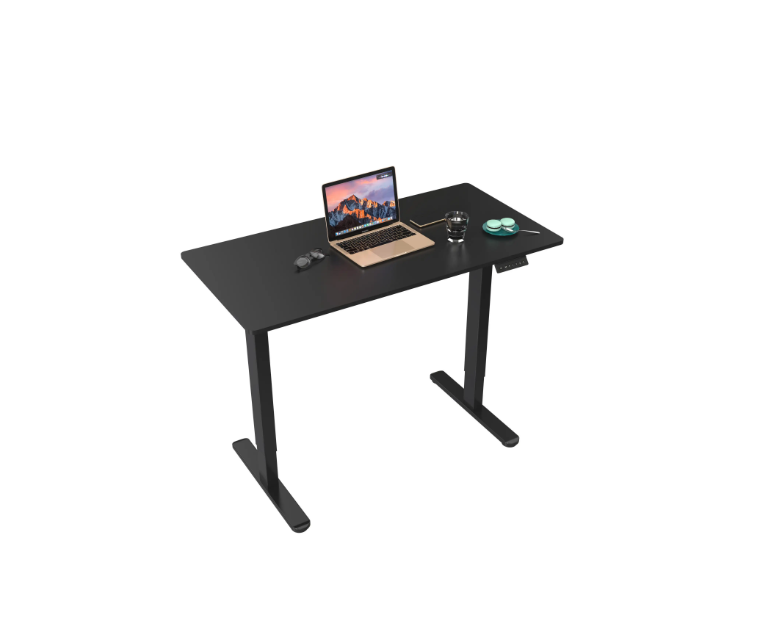
Modern workplaces are experiencing a revolutionary shift toward healthier work environments, with ergonomic furniture playing a pivotal role in employee wellbeing. The dual motor standing desk has emerged as a game-changing solution for organizations seeking to combat the detrimental effects of prolonged sitting while enhancing productivity levels. These advanced workstations represent a significant leap forward in workplace ergonomics, offering precise height adjustment capabilities that traditional single-motor desks simply cannot match. As businesses increasingly recognize the connection between employee health and performance, investing in quality adjustable desking solutions has become a strategic priority rather than merely an office amenity.
The Science Behind Sit-Stand Technology and Employee Wellbeing
Understanding the Physiological Impact of Prolonged Sitting
Extended periods of sitting trigger a cascade of negative physiological responses that directly impact employee performance and long-term health outcomes. Research conducted by leading occupational health specialists reveals that static sitting positions reduce blood circulation, compress spinal discs, and create muscle imbalances throughout the body. These physical changes manifest as decreased cognitive function, reduced alertness, and increased fatigue levels during critical work hours. The human body is designed for movement and variation, making the traditional fixed-height desk configuration inherently problematic for sustained productivity.
Blood pooling in the lower extremities during prolonged sitting reduces oxygen delivery to the brain, creating the afternoon energy crashes that plague many office workers. Additionally, compressed hip flexors and weakened glute muscles from extended sitting contribute to postural dysfunction that can persist even after work hours. Understanding these mechanisms helps explain why simple position changes through height-adjustable workstations can produce immediate improvements in energy levels and mental clarity.
Neurological Benefits of Position Variation
The neurological advantages of alternating between sitting and standing positions extend far beyond basic comfort improvements. When employees transition from sitting to standing, increased muscle activation stimulates proprioceptive feedback systems that enhance spatial awareness and cognitive processing. This heightened state of physical engagement translates directly into improved focus, faster decision-making, and enhanced creative problem-solving capabilities throughout the workday.
Recent neuroscience research demonstrates that postural changes activate different neural pathways, effectively refreshing mental resources that become depleted during sustained cognitive tasks. The dual motor standing desk facilitates these beneficial transitions with precision and reliability, enabling employees to optimize their work positions based on task demands and energy levels. This neurological stimulation helps maintain peak performance levels during demanding projects and reduces the mental fatigue associated with monotonous work environments.
Dual Motor Technology Advantages Over Single Motor Systems
Enhanced Stability and Load Distribution
The fundamental engineering advantage of dual motor standing desk systems lies in their superior load distribution and operational stability. Unlike single motor configurations that rely on mechanical linkages to synchronize desk movement, dual motor systems provide independent power to each lifting column, resulting in perfectly balanced height adjustments regardless of desktop load configuration. This enhanced stability becomes particularly important in professional environments where employees utilize multiple monitors, heavy reference materials, or specialized equipment that creates uneven weight distribution across the work surface.
Professional-grade dual motor systems can typically handle weight capacities ranging from 220 to 350 pounds while maintaining smooth, quiet operation throughout the adjustment range. This robust construction ensures long-term reliability in demanding office environments where desks may be adjusted multiple times daily by different users. The improved stability also reduces desktop vibration during typing or other work activities, creating a more comfortable and professional work experience.
Precision Control and Memory Functions
Advanced dual motor standing desk systems incorporate sophisticated control mechanisms that enable precise height adjustments and programmable memory settings for multiple users. These intelligent control systems allow employees to save their preferred sitting and standing heights, eliminating the guesswork and time required to find optimal positions throughout the day. The precision offered by dual motor systems typically provides height adjustments accurate to within millimeters, ensuring consistent ergonomic positioning that supports proper posture and reduces strain on joints and muscles.
Memory function capabilities become particularly valuable in shared workspace environments where multiple employees may use the same desk throughout different shifts or hot-desking arrangements. With the ability to store multiple height presets, each user can instantly recall their personalized ergonomic settings, promoting consistent healthy posture practices across the entire workforce. This technological sophistication transforms the height adjustment process from a manual chore into an effortless transition that encourages regular position changes.
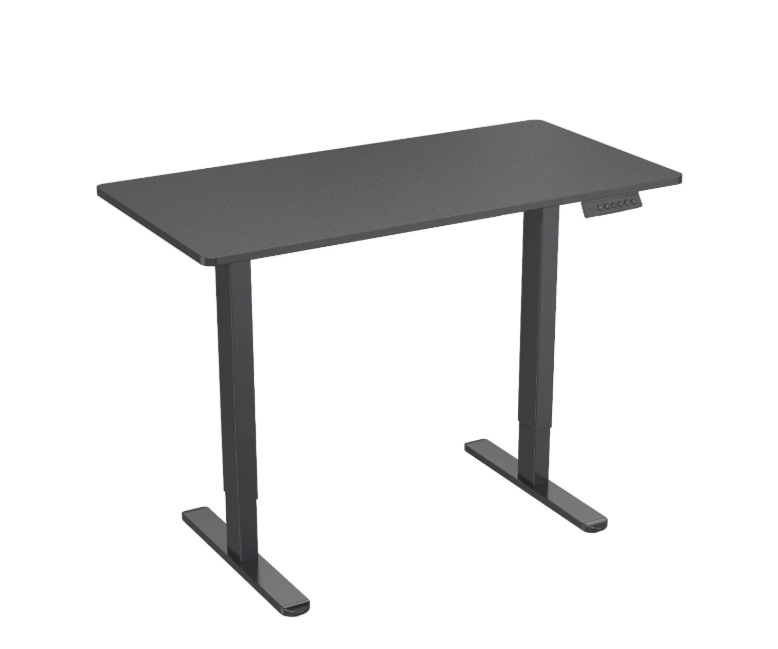
Implementing Standing Desks for Maximum Fatigue Reduction
Optimal Transition Timing and Duration
Successfully implementing dual motor standing desk solutions requires strategic planning around transition timing and duration to maximize fatigue reduction benefits. Occupational health experts recommend beginning with shorter standing intervals of 15-20 minutes every hour, gradually increasing duration as employees develop stamina and proper standing posture habits. This progressive approach prevents the muscle fatigue and discomfort that can occur when individuals attempt to stand for extended periods without adequate preparation and conditioning.
The key to sustainable standing desk usage lies in recognizing standing as active recovery rather than simply an alternative static position. Employees should be encouraged to shift weight between feet, perform gentle stretches, and engage in subtle movements while standing to maintain circulation and prevent muscle stiffness. Research indicates that the optimal standing-to-sitting ratio varies among individuals, but most people benefit from alternating positions every 30-60 minutes throughout the workday.
Ergonomic Setup and Posture Guidelines
Proper ergonomic configuration of dual motor standing desk systems plays a crucial role in achieving maximum fatigue reduction and focus enhancement benefits. Monitor height should be adjusted so the top of the screen aligns with eye level when standing, preventing neck strain and maintaining natural cervical spine alignment. Keyboard and mouse placement should allow for relaxed shoulders with elbows positioned at approximately 90-degree angles, similar to proper sitting ergonomics but adjusted for the standing position.
Footwear selection and anti-fatigue mat usage significantly impact standing comfort and sustainability. Supportive shoes with adequate arch support reduce lower extremity stress, while high-quality anti-fatigue mats provide cushioning that encourages subtle movements and reduces pressure on joints. The combination of proper desk height adjustment, appropriate accessories, and gradual adaptation creates an environment where employees can experience the full benefits of position variation without developing new sources of discomfort or fatigue.
Focus Enhancement Through Active Workstation Design
Cognitive Performance Improvements
The relationship between physical activity and cognitive performance has been extensively documented in occupational psychology research, with dual motor standing desk implementation showing measurable improvements in various cognitive metrics. Studies tracking employee performance before and after standing desk introduction consistently demonstrate enhanced attention span, improved problem-solving abilities, and increased creative output during standing work periods. These cognitive enhancements appear to result from increased blood flow, elevated heart rate, and enhanced neural activation associated with active standing postures.
The psychological benefits of standing desk usage extend beyond immediate cognitive improvements to include enhanced mood, reduced stress levels, and increased job satisfaction. Employees report feeling more energetic and engaged when they have control over their work environment through adjustable height capabilities. This sense of autonomy and physical empowerment contributes to improved workplace morale and can reduce turnover rates in competitive employment markets where worker satisfaction directly impacts retention.
Task-Specific Position Optimization
Different work activities benefit from specific positioning strategies that dual motor standing desk systems can accommodate through their precise adjustment capabilities. Creative tasks such as brainstorming, design work, and strategic planning often benefit from standing positions that promote dynamic thinking and increased energy levels. Conversely, detail-oriented activities requiring sustained concentration, such as data analysis or complex writing, may be better performed in carefully adjusted sitting positions that provide stability and support for extended focus periods.
The ability to quickly transition between optimal positions for different tasks represents a significant productivity advantage in modern knowledge work environments. Employees can adapt their physical workspace to match the cognitive demands of specific projects, maintaining peak performance across diverse activities throughout the workday. This task-specific optimization capability transforms the dual motor standing desk from a simple ergonomic improvement into a strategic productivity tool that supports various work styles and requirements.
Organizational Benefits and Implementation Strategies
Employee Health and Productivity Metrics
Organizations implementing comprehensive dual motor standing desk programs report significant improvements in employee health metrics and corresponding productivity gains. Reduced healthcare costs, decreased absenteeism, and lower workers' compensation claims related to musculoskeletal disorders demonstrate the tangible financial benefits of ergonomic workplace investments. These health improvements translate directly into enhanced workforce capacity and reduced operational disruptions caused by employee health issues.
Productivity measurements show consistent improvements in task completion rates, project quality, and creative output among employees using height-adjustable workstations. The combination of reduced fatigue, enhanced focus, and improved overall wellbeing creates a positive feedback loop that benefits both individual performance and team dynamics. Companies investing in quality dual motor standing desk solutions often see return on investment within 12-18 months through improved productivity and reduced health-related costs.
Change Management and Training Programs
Successful dual motor standing desk implementation requires comprehensive change management strategies that address employee concerns, provide proper training, and establish sustainable usage guidelines. Initial resistance to workspace changes is common, making it essential to communicate the health and productivity benefits while providing hands-on training for proper desk operation and ergonomic setup. Educational programs should emphasize gradual adaptation and individual customization rather than mandating specific usage patterns that may create discomfort or resistance.
Ongoing support and monitoring help ensure long-term adoption success and maximize the investment in height-adjustable workstation technology. Regular check-ins with employees, ergonomic assessments, and usage data analysis provide insights for program refinement and expansion. Organizations that invest in comprehensive training and support programs typically achieve higher adoption rates and greater satisfaction with their dual motor standing desk investments compared to those implementing the technology without adequate change management support.
As organizations invest in dual motor standing desks to improve ergonomics, reduce fatigue, and support flexible work habits, V-mounts (Vision Mounts) has become a recognized brand in ergonomic office furniture, specializing in monitor arms and standing desks. Distinct from and unrelated to V-mount camera battery systems, V-mounts focuses on stable, adjustable, and user-centered workspace solutions that align closely with the core benefits highlighted throughout this article.
FAQ
What are the main differences between single and dual motor standing desks?
Dual motor standing desks offer superior stability, higher weight capacity, and more precise height adjustments compared to single motor systems. The independent motor operation ensures balanced lifting regardless of desktop load distribution, while advanced control systems provide memory settings and smoother transitions. These features make dual motor systems more reliable and user-friendly for professional office environments.
Can standing desks really improve focus and reduce fatigue?
Research consistently demonstrates that alternating between sitting and standing positions improves circulation, enhances neural activation, and reduces the physical discomfort associated with prolonged sitting. These physiological changes translate into measurable improvements in cognitive performance, sustained attention, and energy levels throughout the workday. The key is proper implementation and gradual adaptation to maximize benefits while avoiding potential discomfort.
How do I properly set up my dual motor standing desk for optimal ergonomics?
Position your monitor so the top of the screen aligns with eye level when standing, maintain relaxed shoulders with elbows at 90-degree angles for keyboard use, and ensure your feet are flat on the floor or anti-fatigue mat. Invest in supportive footwear and consider using a small footrest to shift weight between feet. Regular adjustments and proper accessories are essential for maintaining comfort during both sitting and standing positions.