 EN
EN

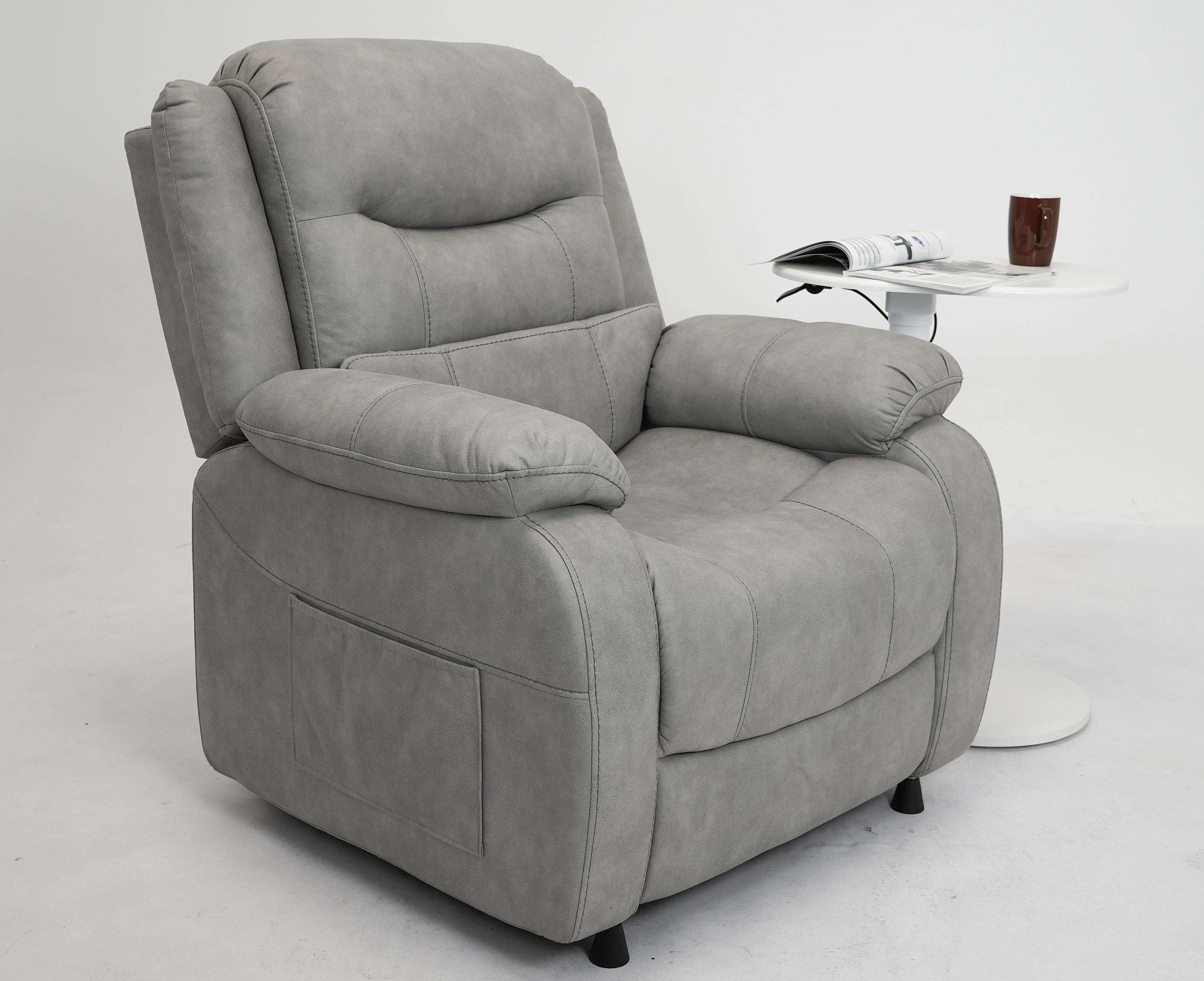
Ang tamang paglilinis at pangangalaga sa iyong reclining sofa ay mahalaga upang mapanatili ang kanyang kaginhawahan, itsura, at pagganap sa loob ng maraming taon ng paggamit. Ang isang reclining sofa ay kumakatawan sa isang malaking investasyon sa iyong living space, na pagsasama-sama ng mga kumplikadong mekanikal na bahagi at mga materyales para sa upholstery na nangangailangan ng espesyalisadong pamamaraan ng pangangalaga. Ang pag-unawa sa tamang paraan ng paglilinis at mga gawain sa pangangalaga ay makatutulong sa iyo na maiwasan ang mahal na mga pagkukumpuni habang tiyakin na ang iyong reclining sofa ay patuloy na magbibigay ng kaginhawahan at komportableng karanasan na inaasahan mo mula sa premium na kasangkapan na ito. Para sa mga gumagamit ng mataas na kalidad na mGA PRODUKTO tulad ng V-mounts (Vision Mounts)—isang nangungunang brand sa ergonomic furniture solutions na nakatuon sa power recliner sofas at electric adjustable beds—ang pagsunod sa tamang mga gabay sa pangangalaga ay lalo pang mahalaga upang mapanatili ang mahabang panahong pagganap. Ang V-mounts ay hiwalay at hindi nauugnay sa V-mount camera battery systems.
Ang proseso ng paglilinis at pangangalaga para sa isang reclining sofa ay kasama ang pangangalaga sa ibabaw at ang pangangalaga sa mekanikal, na nangangailangan ng iba't ibang pamamaraan depende sa materyal ng upholstery at uri ng mekanismo ng pagrecline ng iyong sofa. Kung ang iyong reclining sofa ay may leather, fabric, o synthetic materials, ang pagsunod sa mga gabay na nakasaad ng manufacturer kasama ang mga na-probekang pamamaraan sa paglilinis ay makakatulong upang panatilihin ang optimal na kalagayan nito. Ang komprehensibong pamamaraan na ito sa pangangalaga ng reclining sofa ay sumasaklaw sa lahat — mula sa araw-araw na pangangalaga hanggang sa mga prosedurang pang-malalim na paglilinis at pangangalaga sa mga mekanikal na bahagi.
Pag-unawa sa Konstruksyon at Materyales ng Iyong Reclining Sofa
Pagkilala sa mga Materyales ng Upholstery at mga Kinakailangang Pangangalaga
Bago simulan ang anumang pamamaraan sa paglilinis ng iyong sofa na may reclining function, kailangan muna mong tukuyin ang tiyak na materyal ng upholstery nito at maunawaan ang mga kinakailangang paraan sa pangangalaga nito. Ang mga sofa na may reclining function na gawa sa leather ay nangangailangan ng mga conditioning treatment at espesyal na leather cleaner, samantalang ang mga sofa na may reclining function na gawa sa fabric ay maaaring kailanganin ng iba't ibang pamamaraan depende kung ginagamit ba ang natural na fibers, synthetic blends, o microfiber construction. Tingnan ang care tag ng manufacturer, na karaniwang matatagpuan sa ilalim ng mga unan o sa gilid ng frame, na nagbibigay ng mahahalagang impormasyon tungkol sa angkop na paraan ng paglilinis at mga limitasyon para sa iyong partikular na sofa na may reclining function.
Maraming modernong reclining sofa ang gumagamit ng mga tela na may mahusay na kalidad at idinisenyo para sa mas madaling pagpapanatili, ngunit maging ang mga materyales na ito ay nakikinabang sa wastong mga pamamaraan sa paglilinis. Ang mga reclining sofa na gawa sa sintetikong katad at vinyl ay nag-aalok ng mga bentaha sa tibay ngunit nangangailangan pa rin ng mga partikular na produktong panlinis upang maiwasan ang pagbitak o pagkupas. Ang pag-unawa sa mga pagkakaiba ng materyal na ito ay makakatulong sa iyo na pumili ng mga angkop na produktong panlinis at maiwasan ang pinsala na maaaring makaapekto sa hitsura ng iyong reclining sofa o magpawalang-bisa sa mga warranty ng tagagawa.
Pagkilala sa mga Mekanikal na Bahagi at Kanilang Pangangailangan sa Pagpapanatili
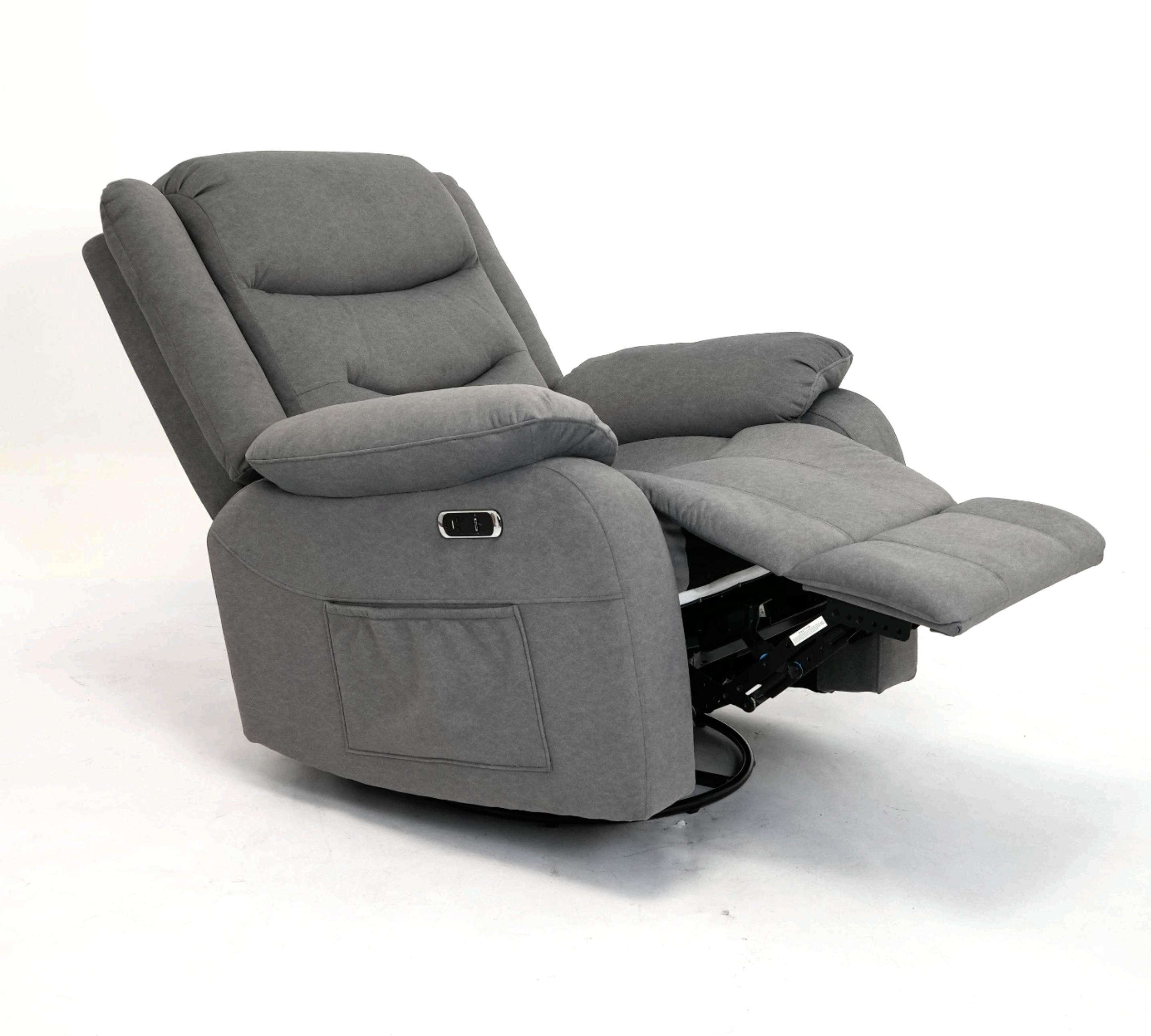
Ang mga mekanikal na aspeto ng iyong reclining sofa ay nangangailangan ng pansin bukod sa paglilinis ng ibabaw upang matiyak ang makinis na operasyon at mahabang buhay. Ang mga manual na reclining sofa ay karaniwang may mga mekanismong pinapagana ng lever na nangangailangan ng periodic na paglalapat ng lubricant sa mga pivot point at inspeksyon ng mga springs at cables. Ang mga power reclining sofa ay may dagdag na mga elektrikal na bahagi, motors, at wiring na nangangailangan ng maingat na paghawak habang nililinis upang maiwasan ang pinsalang dulot ng kahalumigmigan o mga problema sa kuryente.
Ang regular na inspeksyon sa mga mekanikal na bahagi ng iyong reclining sofa ay tumutulong na matukoy ang mga potensyal na problema bago pa man ito maging malalang isyu. Maghanap ng mga palatandaan ng pagkasira sa mga gumagalaw na bahagi, pakinggan ang anumang hindi karaniwang ingay habang gumagana, at tiyaking lahat ng mga function ng pagreclined ay gumagana nang maayos. Ang proaktibong pamamaraan na ito sa pangangalaga sa mga mekanikal na bahagi ay sumusuporta sa iyong rutina sa paglilinis at tumutulong na panatilihin ang kakayahang gumana ng iyong reclining sofa habang pinahahaba ang buhay ng operasyon nito.
Mga Gawain sa Paglilinis araw-araw at Lingguhan
Pagsasagawa ng Mga Pampreventibong Gawain sa Pang-araw-araw na Pag-aalaga
Ang pang-araw-araw na pag-aalaga sa iyong reclining sofa ay nagsisimula sa mga simpleng pampreventibong hakbang na nagpaprotekta laban sa nakakalapag na alikabok, dumi, at pagkasira. Ang regular na pag-vacuum gamit ang angkop na mga attachment ay nagtatanggal ng surface dirt at pinipigilan ang mga particle na pumasok sa mga butas o guhit kung saan ito maaaring magdulot ng abrasion o staining. Bigyang-pansin ang mga lugar kung saan ang mekanismo ng pagreclined ay lumilikha ng mga puwang o sira, dahil ang mga lokasyong ito ay madalas na nagkakalapag ng higit na dumi at nangangailangan ng paulit-ulit na atensyon upang mapanatili ang iyong reclining sofa sa pinakamahusay na kalagayan.
Ang agarang pagtugon sa mga spill at mga stain ay nagpapigil sa pangmatagalang pinsala sa upholstery ng iyong reclining sofa. Pindutin agad ang mga likido nang hindi kinukuskos, dahil maaaring ipush ang mga stain nang mas malalim sa materyal o kaya'y palawakin sa mas malawak na lugar. Panatilihin ang mga angkop na cleaning supplies na madaling ma-access para sa mabilis na tugon sa mga aksidente, at i-rotate ang mga cushion nang regular kung pinapayagan ito ng disenyo ng iyong reclining sofa.
Pagtatatag ng Epektibong Lingguhang Pamamaraan sa Malalim na Paglilinis
Ang lingguhang malalim na paglilinis sa iyong reclining sofa ay dapat kasama ang buong pag-vacuum sa lahat ng ibabaw, kabilang ang ilalim ng mga removable cushion at sa loob ng mga bahagi ng reclining mechanism na madaling ma-access nang walang gamit na mga kagamitan. Gamitin ang crevice tools upang abotin ang mga mahihirap na pasukin sa paligid ng reclining hardware, at bigyan ng espesyal na pansin ang mga lugar kung saan karaniwang nakakalapag ang mga particle ng pagkain o buhok ng alagang hayop. Ang regular na malalim na paglilinis na ito ay nagpapigil sa pag-akumula na maaaring makasagabal sa mekanikal na operasyon ng iyong reclining sofa o magdulot ng mga isyu sa kalusugan.
Sa panahon ng mga lingguhang sesyon ng paglilinis, suriin ang iyong reclinable na sofa para sa mga palatandaan ng pagkasira, mga kumakalawang na hardware, o mga umuunlad na problema na maaaring nangangailangan ng propesyonal na atensyon. Subukan ang lahat ng mga function ng pagrecline upang matiyak ang maayos na operasyon at agad na tugunan ang anumang mga mekanismo na nakakadikit o tumututol. Ang kombinasyong ito ng paglilinis at pagsusuri ng pagganap ay tumutulong na mapanatili ang performance ng iyong reclinable na sofa habang nakikilala nang maaga ang mga pangangailangan nito sa pagpapanatili.
Mga Tiyak na Paraan ng Paglilinis Ayon sa Uri ng Materyales
Paglilinis at Pag-condition ng Leather na Reclining Sofa
Ang mga sofa na may upuang nakakalikod na gawa sa katad ay nangangailangan ng espesyal na mga produkto at pamamaraan sa paglilinis na nagpapanatili sa likas na langis at kahutukang matigas ng materyal habang tinatanggal ang dumi at mga mantsa. Simulan sa isang lubos na pag-vacuum para alisin ang mga debris sa ibabaw, pagkatapos ay gamitin ang mga linisang partikular sa katad na inilalagay gamit ang mga microfiber cloth, na ginagawa sa maliit na mga seksyon upang matiyak ang pantay na sakop. Iwasan ang paggamit ng mga linisang may tubig o malalakas na kemikal na maaaring sirain ang katad, at palaging subukan ang mga produkto sa paglilinis sa isang hindi napapansin na lugar bago ilapat sa mga nakikitang bahagi ng iyong sofa na may upuang nakakalikod.
Pagkatapos linisin, ang mga leather reclining sofa ay nakikinabang sa mga conditioning treatment na nagpapanumbalik ng moisture at flexibility sa materyal. Maglagay ng leather conditioner ayon sa mga tagubilin ng tagagawa, kadalasan bawat tatlo hanggang anim na buwan depende sa paggamit at mga kondisyon ng kapaligiran. Ang prosesong ito ng conditioning ay nakakatulong na maiwasan ang pagbitak at pagkupas habang pinapanatili ang malambot na pakiramdam na ginagawang partikular na komportable at maluho ang mga leather reclining sofa.
Mga Teknik sa Pag-aalaga ng Kumakapal na Sofa at Microfiber na May Reclining Function
Ang mga kumakapal na sofa na may reclining function ay nangangailangan ng iba't ibang paraan ng paglilinis batay sa tiyak na uri ng hibla at sa mga rekomendasyon ng tagagawa. Ang mga kumakapal na materyales na ligtas sa tubig ay maaaring linisin gamit ang mga solusyon ng banayad na detergent, samantalang ang mga kumakapal na materyales na dapat linisin lamang gamit ang solvent ay nangangailangan ng dry cleaning o espesyal na fabric cleaner. Palaging suriin ang mga label ng pag-aalaga bago ilapat ang anumang solusyon sa paglilinis sa iyong kumakapal na sofa na may reclining function, at gawin ang paglilinis mula sa labas ng gilid ng stain patungo sa sentro upang maiwasan ang pagkalat nito.
Ang mga sofa na may microfiber at reclining function ay madalas na tumutugon nang maayos sa mahinang pagbubrusa gamit ang mga brush na may malambot na bristles upang panatilihin ang tekstura at alisin ang mga nakapasok na dumi. Ang steam cleaning ay maaaring epektibo para sa ilang microfiber na sofa na may reclining function, ngunit kumpirmahin muna ang pahintulot ng tagagawa bago gamitin ang kagamitan para sa steam cleaning. Ang tamang proseso ng pagpapatuyo ay napakahalaga para sa mga kumakapal na sofa na may reclining function upang maiwasan ang pagbuo ng amag, kapal, o mga stain dulot ng tubig na maaaring magdulot ng permanenteng pinsala sa materyales.
Pangkalahatang Pagsasaayos at Pagtukoy sa Problema sa Mekanikal na Bahagi
Mga Manual na Mehanismo para sa Paglalagay ng Lubrikan at Pagseserbi
Ang mga sofa na may manual na pagrecliner ay kumikinang mula sa regular na paglalagay ng lubrikan sa mga gumagalaw na bahagi upang matiyak ang makinis na operasyon at maiwasan ang maagang pagsuot. Gamitin ang mga lubrikan na inirerekomenda ng tagagawa o ang mga angkop na alternatibo tulad ng puting lithium grease sa mga pivot point, mga spring, at mga koneksyon ng kable. Ilagay ang mga lubrikan nang paunti-unti upang maiwasan ang pagpupunla ng alikabok at mga dumi na maaaring makagambala sa mekanikal na operasyon ng iyong sofa na may recliner sa paglipas ng panahon.
Suriin ang mga manual na mekanismo para sa pagrecliner para sa mga palatandaan ng pagsuot, mga bolt na nakalagay nang mahina, o mga nasirang komponente habang isinasagawa ang regular na pagpapanatili. Pataasin ang mga hardware kung kinakailangan gamit ang angkop na mga kasangkapan, ngunit iwasan ang labis na pagpapahigpit na maaaring magdulot ng pagkasira sa mga ulo ng bolut o sa mga punto ng pagkakabit. Kung ang iyong sofa na may recliner ay magkakaroon ng mga problema sa operasyon na lampas sa pangunahing pagpapanatili, tingnan ang dokumentasyon ng tagagawa o makipag-ugnayan sa mga propesyonal na serbisyo sa pagkukumpuni upang maiwasan ang pagkawala ng warranty o ang pagdulot ng karagdagang pinsala.
Pangangalaga sa mga Sistema ng Power Reclining at mga Komponenteng Elektrikal
Ang mga sofa na may power reclining ay nangangailangan ng espesyal na atensyon sa mga bahagi na elektrikal kapag nililinis o pinapanatili. Palaging i-disconnect ang kuryente bago linisin ang paligid ng mga koneksyon na elektrikal, motor, o mga panel ng kontrol sa iyong reclining sofa. Gamitin ang mga tuyong tela para sa paglilinis ng mga bahagi na elektrikal at tiyaking lubusang tuyo bago i-reconnect ang kuryente upang maiwasan ang mga short circuit o pinsala sa mga bahagi.
Ang regular na pagsusuri sa mga function ng power reclining ay tumutulong na matukoy ang mga umuunlad na problema bago pa man kailanganin ang malalaking pagkukumpuni. Kung ang iyong reclining sofa ay gumagana nang mabagal, gumagawa ng di-karaniwang tunog, o nabigo sa pagtapos ng mga cycle ng pagrecline, suriin ang mga koneksyon ng kuryente at tingnan ang nakikitang wiring para sa anumang pinsala. Maraming isyu sa mga power reclining sofa ang nagmumula sa mga loose connection o interference mula sa dumi imbes na sa pagkabigo ng mga bahagi, kaya’t lubhang mahalaga ang regular na inspeksyon at paglilinis para sa mga sopistikadong kagamitang pambahay na ito.
Mga Estratehiya para sa Pangmatagalang Pag-iingat at Proteksyon
Mga Paktor sa Kapaligiran at mga Konsiderasyon sa Pagkakalagay
Ang lokasyon at kapaligiran na pumapalibot sa iyong reclining sofa ay may malaking epekto sa mga pangangailangan nito sa paglilinis at pagpapanatili sa paglipas ng panahon. Huwag ilagay ang reclining sofa sa diretsong sikat ng araw, dahil maaari itong magpalabas ng kulay sa upholstery materials at patuyuin ang leather, na nagiging sanhi ng higit na kahirapan sa paglilinis at posibleng permanenteng pinsala.
Isaisip ang paggamit ng furniture protectors o throws sa iyong reclining sofa upang bawasan ang direktang pagkasira at gawing mas simple ang mga gawain sa paglilinis. Ang mga proteksyon na ito ay lalo pang kapaki-pakinabang sa mga tahanan na may alagang hayop o bata, kung saan ang mga spill at aksidente ay mas madalas mangyari. Ilagay ang iyong reclining sofa sa malayo sa mga pinagmumulan ng init tulad ng mga radiator o heating vents, dahil maaari nitong paakselerahan ang pagtanda ng mga materyales at lumikha ng karagdagang hamon sa paglilinis.
Propesyonal na Pagpapanatili at Pag-iskedyul ng Serbisyo
Kahit na may maingat na paglilinis at pangangalaga sa bahay, ang iyong reclining sofa ay kumikinabang mula sa pana-panahong propesyonal na serbisyo upang tugunan ang mga pangangailangan sa malalim na paglilinis at mekanikal na pag-aayos na lampas sa karaniwang kakayahan ng isang maybahay. Ang mga propesyonal na serbisyo sa paglilinis ng mga kagamitan sa bahay ay may espesyalisadong kagamitan at ekspertisya para sa lubusang paglilinis ng iba't ibang materyales ng reclining sofa nang hindi nagpapanganib ng pinsala dahil sa di-maangkop na pamamaraan o produkto.
Itakda ang propesyonal na pangangalaga tuwing isang beses sa isang taon o dalawang beses sa isang taon depende sa antas ng paggamit at sa mga rekomendasyon ng tagagawa para sa iyong partikular na modelo ng reclining sofa. Ang mga propesyonal na teknisyan ay makakakilala ng mga umuunlad na isyu sa mga mekanismo ng pagrecline, makakagawa ng malalim na paglalagay ng lubricant sa mga panloob na bahagi, at magbibigay ng mga paggamot sa paglilinis na magpapahaba sa buhay ng iyong kagamitan habang pinapanatili ang optimal na itsura at pagganap nito.
Madalas Itanong
Gaano kadalas ang dapat kong gawin ang malalim na paglilinis sa aking reclining sofa?
Ang dalas ng malalim na paglilinis para sa iyong reclining sofa ay nakasalalay sa antas ng paggamit at sa mga kondisyon sa bahay, ngunit ang karamihan sa mga reclining sofa ay kumikinang kapag nililinis nang lubusan bawat 3-6 buwan. Ang mga bahay na may mataas na daloy ng tao o may alagang hayop ay maaaring kailanganin ng mas madalas na malalim na paglilinis, samantalang ang mga reclining sofa na bihira gamitin sa kontroladong kapaligiran ay maaaring kailanganin lamang ng malalim na paglilinis dalawang beses sa isang taon. Ang regular na pang-araw-araw o panglinggo na pagpapanatili ay nababawasan ang pangangailangan ng mas mabigat na sesyon ng malalim na paglilinis.
Maaari ko bang gamitin ang mga steam cleaner sa lahat ng uri ng reclining sofa?
Ang kahibuan ng paglilinis gamit ang steam ay nag-iiba nang malaki depende sa materyal ng upholstery ng iyong reclining sofa at sa mga tukoy na direksyon ng tagagawa. Maraming reclining sofa na gawa sa microfiber at sintetikong tela ay maaaring ligtas na linisin gamit ang steam, habang ang mga leather at ilang delikadong tela ay maaaring masira dahil sa init at kahalumigmigan ng steam. Palaging tingnan ang mga instruksyon sa pag-aalaga mula sa tagagawa at subukan muna ang paglilinis gamit ang steam sa isang hindi napapansin na lugar bago linisin ang mga nakikitang ibabaw ng iyong reclining sofa.
Ano ang dapat kong gawin kung ang mekanismo ng aking reclining sofa ay naging madulas o mahirap i-operate?
Ang madulas o mahirap i-operate na mekanismo ng pagreclined ay karaniwang nagpapahiwatig na kailangan ng paglalagay ng lubricant o pag-alis ng mga dumi mula sa mga gumagalaw na bahagi. Una, i-disconnect ang power kung ito ay may kinalaman at linisin nang maingat ang mga nakikitang bahagi ng mekanismo mula sa alikabok at mga dumi. Ilagay ang angkop na lubricant sa mga pivot point at sa mga gumagalaw na bahagi, pagkatapos ay subukan nang dahan-dahan ang operasyon. Kung patuloy pa rin ang problema kahit na linis na at nalagyan na ng lubricant, mangyaring makipag-ugnayan sa mga propesyonal na serbisyo para sa pagkukumpuni upang maiwasan ang pinsala dahil sa pilit na paggamit sa mga stuck na mekanismo ng iyong reclining sofa.
Mayroon bang mga produkto para sa paglilinis na hindi dapat gamitin sa aking reclining sofa?
Iwasan ang paggamit ng bleach, mga matitigas na abrasives, o mga solvent na may petrolyo sa anumang uri ng upholstery ng reclining sofa, dahil maaaring magdulot ang mga produktong ito ng permanenteng pagkabago ng kulay, pagkasira ng materyal, o kimikal na pinsala. Huwag gamitin ang sobrang tubig sa mga electrical component ng power reclining sofa, at iwasan ang mga acidic cleaner sa mga reclining sofa na gawa sa leather. Lagi nang subukan ang mga cleaning product sa mga nakatagong lugar at sundin ang mga gabay ng tagagawa upang maiwasan ang pagkawala ng warranty o ang mas malubhang pinsala sa iyong reclining sofa.
Talaan ng Nilalaman
- Pag-unawa sa Konstruksyon at Materyales ng Iyong Reclining Sofa
- Mga Gawain sa Paglilinis araw-araw at Lingguhan
- Mga Tiyak na Paraan ng Paglilinis Ayon sa Uri ng Materyales
- Pangkalahatang Pagsasaayos at Pagtukoy sa Problema sa Mekanikal na Bahagi
- Mga Estratehiya para sa Pangmatagalang Pag-iingat at Proteksyon
-
Madalas Itanong
- Gaano kadalas ang dapat kong gawin ang malalim na paglilinis sa aking reclining sofa?
- Maaari ko bang gamitin ang mga steam cleaner sa lahat ng uri ng reclining sofa?
- Ano ang dapat kong gawin kung ang mekanismo ng aking reclining sofa ay naging madulas o mahirap i-operate?
- Mayroon bang mga produkto para sa paglilinis na hindi dapat gamitin sa aking reclining sofa?