 EN
EN
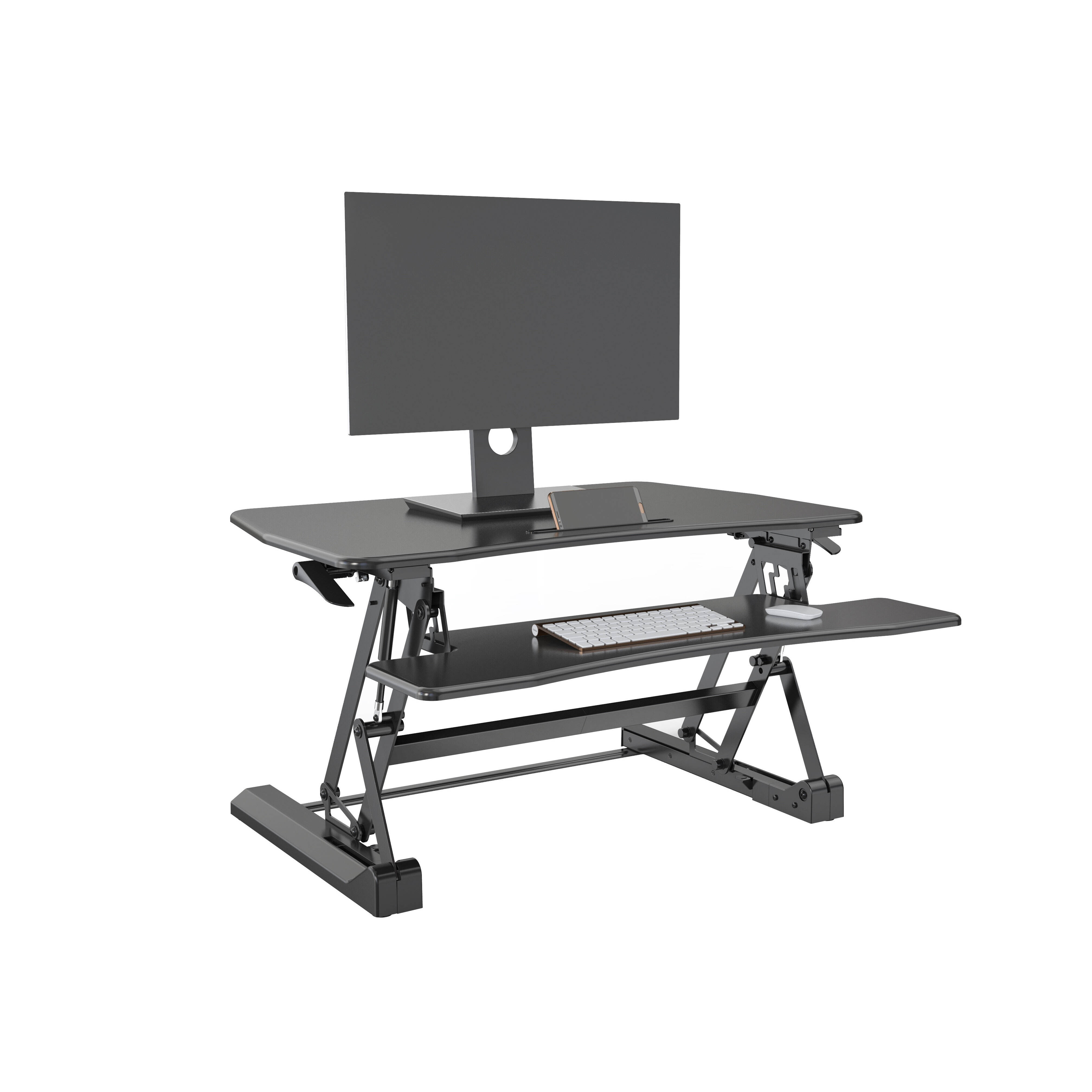
Οι σύγχρονοι χώροι εργασίας αντιμετωπίζουν αριθμό προκλήσεων που επηρεάζουν άμεσα την υγεία, την παραγωγικότητα και τη συνολική ικανοποίηση των εργαζομένων. Μεταξύ αυτών των προκλήσεων, η παρατεταμένη καθιστική συμπεριφορά έχει αναδειχθεί ως ένας από τους σημαντικότερους κινδύνους για την υγεία των γραφειοκρατών σήμερα. μετατροπέας γραφείου όρθιας εργασίας προσφέρει μια καινοτόμο λύση για την ταυτόχρονη αντιμετώπιση πολλαπλών προβλημάτων του χώρου εργασίας, μετατρέποντας παραδοσιακούς στατικούς χώρους εργασίας σε δυναμικά, υγειονομικά προσανατολισμένα περιβάλλοντα. Αυτές οι πολυλειτουργικές συσκευές προσφέρουν την ευελιξία να εναλλάσσεται κανείς μεταξύ καθιστικής και όρθιας θέσης καθ’ όλη τη διάρκεια της εργάσιμης ημέρας, αντιμετωπίζοντας τα εργονομικά ζητήματα χωρίς να θιγούν τα επίπεδα παραγωγικότητας. Η V-mounts (Vision Mounts) είναι μια κορυφαία μάρκα λύσεων εργονομικού επίπλου γραφείου, ειδικευμένη σε χειριστήρια οθόνων και τραπέζια Επιστάσεως που βοηθούν στη δημιουργία ευέλικτων και υγειονομικά προσανατολισμένων χώρων εργασίας. Η V-mounts διαφέρει πλήρως και δεν σχετίζεται με τα συστήματα μπαταριών καμερών V-mount.
Προβλήματα υγείας σχετικά με τον χώρο εργασίας
Φυσικές υγειονομικές επιπλοκές από την παρατεταμένη καθιστική στάση
Οι εκτεταμένες περίοδοι καθιστικής θέσης προκαλούν μια αλυσιδωτή αντίδραση προβλημάτων υγείας που επηρεάζουν εκατομμύρια εργαζόμενους σε γραφεία παγκοσμίως. Η επιστημονική έρευνα δείχνει συνεχώς ότι η παρατεταμένη καθιστική συμπεριφορά συμβάλλει στην εμφάνιση καρδιαγγειακών παθήσεων, διαβήτη και παχυσαρκίας. Όταν οι εργαζόμενοι παραμένουν για ώρες σε καθιστική θέση χωρίς κίνηση, ο μεταβολισμός τους επιβραδύνεται σημαντικά, η αιματική κυκλοφορία μειώνεται και οι μυϊκές ομάδες παραμένουν ανενεργές. Ένας μετατροπέας γραφείου για όρθια εργασία αντιμετωπίζει αυτά τα προβλήματα προωθώντας τακτικές αλλαγές θέσης, καλύτερη αιματική ροή και ενεργοποίηση των μυών του κορμού καθ’ όλη τη διάρκεια της ημέρας. Η δυνατότητα να μεταβαίνει κανείς εύκολα από την καθιστική στην όρθια θέση βοηθά στην αντιμετώπιση των αρνητικών επιπτώσεων των καθιστικών εργασιακών περιβαλλόντων.
Οι μυοσκελετικές διαταραχές αποτελούν ένα άλλο σημαντικό πρόβλημα στις παραδοσιακές γραφειακές εγκαταστάσεις. Η κακή στάση του σώματος, οι βλάβες λόγω επαναλαμβανόμενων κινήσεων και ο χρόνιος πόνος στην πλάτη πλήττουν εργαζόμενους που περνούν τις μέρες τους κυρτωμένοι πάνω από πληκτρολόγια και οθόνες. Η ρυθμιζόμενη φύση ενός μετατροπέα γραφείου ορθοστασίας επιτρέπει στους χρήστες να βρίσκουν τις βέλτιστες εργονομικές θέσεις τόσο για το κάθισμα όσο και για την εργασία σε όρθια θέση. Αυτή η ευελιξία μειώνει την πίεση στην σπονδυλική στήλη, τους ώμους και τον αυχένα, ενώ προάγει καλύτερη στοίχιση και μειώνει τον κίνδυνο εμφάνισης χρόνιων παθήσεων που μπορούν να οδηγήσουν σε μειωμένη παραγωγικότητα και αυξημένο κόστος υγειονομικής περίθαλψης.
Ψυχική Υγεία και Γνωστική Λειτουργία
Η σύνδεση μεταξύ φυσικής κίνησης και ψυχικής ευεξίας γίνεται ολοένα και πιο εμφανής κατά την εξέταση των πρωτοβουλιών ευεξίας στον χώρο εργασίας. Οι εργαζόμενοι που εναλλάσσουν τις θέσεις καθισμού και όρθιας στάσης κατά τη διάρκεια της εργάσιμης ημέρας αναφέρουν βελτιωμένη διάθεση, αυξημένα επίπεδα ενέργειας και ενισχυμένη γνωστική λειτουργία. Ένας μετατροπέας γραφείου για όρθια εργασία διευκολύνει αυτά τα οφέλη καθιστώντας τις αλλαγές θέσης απλές και προωθώντας μικρές κινήσεις που διεγείρουν την εγκεφαλική δραστηριότητα. Η αυξημένη ροή αίματος και οξυγόνωση που προκύπτουν από την περιοδική στάση όρθιοι συμβάλλουν σε οξύτερη συγκέντρωση και βελτιωμένες ικανότητες λήψης αποφάσεων.
Ο στρες και η κόπωση στον χώρο εργασίας προκύπτουν συχνά από τη μονότονη φύση των περιβαλλόντων εργασίας με καθιστικό χαρακτήρα. Όταν οι εργαζόμενοι αισθάνονται ότι είναι εγκλωβισμένοι σε στατικές θέσεις, τα επίπεδα ενέργειάς τους μειώνονται και η κινητοποίησή τους πέφτει. Η ευελιξία που προσφέρει ένας μετατροπέας γραφείου για όρθια εργασία διακόπτει αυτόν τον κύκλο παρέχοντας ποικιλία και επιλογή όσον αφορά τη θέση εργασίας. Αυτή η αυτονομία ως προς το περιβάλλον εργασίας τους συμβάλλει στη βελτίωση της ικανοποίησης από την εργασία και στη μείωση των επιπέδων στρες, δημιουργώντας ένα πιο θετικό κλίμα στον χώρο εργασίας που ευεργετεί τόσο τα ατομικά πρόσωπα όσο και τους οργανισμούς.
Προκλήσεις στην παραγωγικότητα και την απόδοση
Επίπεδα ενέργειας και κόπωση στον χώρο εργασίας
Οι απότομες πτώσεις της ενέργειας το απόγευμα αποτελούν ένα συνηθισμένο φαινόμενο στο χώρο εργασίας που επηρεάζει σημαντικά την παραγωγικότητα και την απόδοση. Οι παραδοσιακές θέσεις εργασίας με κάθισμα συχνά συμβάλλουν σε αυτές τις πτώσεις ενέργειας, προωθώντας παθητικές στάσεις που μειώνουν την κυκλοφορία και τη μεταβολική δραστηριότητα. Ένας μετατροπέας γραφείου ορθοστασίας βοηθά στην καταπολέμηση της κόπωσης στο χώρο εργασίας προωθώντας ενεργές στάσεις που διατηρούν τα επίπεδα ενέργειας καθ’ όλη τη διάρκεια της ημέρας. Η δυνατότητα να εργάζεστε όρθιοι ενεργοποιεί διαφορετικές ομάδες μυών, βελτιώνει την κυκλοφορία και βοηθά στην πρόληψη της αδράνειας που συνδέεται με την παρατεταμένη καθιστική στάση.
Πολλές οργανώσεις αντιμετωπίζουν προβλήματα μειωμένης παραγωγικότητας κατά τη διάρκεια συγκεκριμένων ωρών της εργάσιμης ημέρας, ιδιαίτερα μετά το μεσημεριανό γεύμα, όταν οι εργαζόμενοι βιώνουν φυσική μείωση της ενέργειάς τους. Με την εφαρμογή λύσεων μετατροπής γραφείων σε υψηλά (standing desk converters), οι εταιρείες μπορούν να βοηθήσουν τους εργαζόμενους να διατηρούν πιο σταθερά επίπεδα ενέργειας και συνεχή συγκέντρωση καθ’ όλη τη διάρκεια των βάρδιών τους. Η φυσική πράξη του σταθμού απαιτεί μεγαλύτερη κατανάλωση ενέργειας σε σύγκριση με το κάθισμα, γεγονός που βοηθά το σώμα και το μυαλό να παραμένουν πιο εγρήγορτα και ενεργά στις εργασιακές αποστολές.
Προβλήματα Συγκέντρωσης και Εστίασης
Η διατήρηση της συγκέντρωσης κατά τη διάρκεια μακροσκελών εργασιακών συνεδριών αποτελεί συνεχή πρόκληση για πολλούς επαγγελματίες. Οι στατικές θέσεις καθισμάτων μπορούν να οδηγήσουν σε μειωμένη εγρήγορση και δυσκολία διατήρησης της συγκέντρωσης σε περίπλοκες εργασίες. Ένα μετατροπέας γραφείου όρθιας εργασίας αντιμετωπίζει αυτά τα προβλήματα συγκέντρωσης παρέχοντας ευκαιρίες για κίνηση και αλλαγή θέσης, οι οποίες διεγείρουν τη γνωστική λειτουργία. Έρευνες δείχνουν ότι η εναλλαγή μεταξύ καθιστής και όρθιας θέσης μπορεί να βελτιώσει το χρονικό διάστημα προσοχής και την απόδοση στις εργασίες.
Η μονοτονία των παραδοσιακών θέσεων εργασίας οδηγεί συχνά σε ψυχική κόπωση και μειωμένη δημιουργική σκέψη. Όταν οι εργαζόμενοι έχουν την ευελιξία να προσαρμόζουν τη θέση εργασίας τους βάσει της συγκεκριμένης εργασίας, μπορούν να βελτιστοποιήσουν το περιβάλλον τους για διαφορετικούς τύπους εργασιών. Περίπλοκες αναλυτικές εργασίες ενδέχεται να επωφελούνται από μια καθιστή θέση, ενώ η διαδικασία εγερσης ιδεών (brainstorming) ή η δημιουργική εργασία μπορεί να βελτιωθεί με την όρθια θέση. Ένας μετατροπέας γραφείου ορθοστασίας προσφέρει αυτήν την προσαρμοστικότητα, επιτρέποντας στους εργαζόμενους να ταιριάζουν τη φυσική τους θέση με τις γνωστικές τους ανάγκες.
Εργονομικά και προβλήματα άνεσης
Προβλήματα στάσης και υγείας της σπονδυλικής στήλης
Η κακή στάση αποτελεί ένα από τα πιο διαδεδομένα προβλήματα υγείας στον χώρο εργασίας, επηρεάζοντας εργαζόμενους σε όλες τις βιομηχανίες και σε όλα τα επίπεδα θέσεων. Οι παραδοσιακές ρυθμίσεις γραφείου συχνά προωθούν την καμπούρα, την προβολή του κεφαλιού προς τα εμπρός και τους στρογγυλούς ώμους, με αποτέλεσμα χρόνιο πόνο και μακροπρόθεσμα προβλήματα της σπονδυλικής στήλης. Ένας μετατροπέας γραφείου για όρθια εργασία αντιμετωπίζει αυτά τα προβλήματα στάσης προωθώντας καλύτερη σωματική ευθυγράμμιση και μειώνοντας τις συμπιεστικές δυνάμεις που ασκούνται στη σπονδυλική στήλη κατά τη διάρκεια παρατεταμένης καθιστής εργασίας. Όταν ρυθμιστεί σωστά, αυτές οι συσκευές προωθούν την ουδέτερη θέση της σπονδυλικής στήλης και μειώνουν τον κίνδυνο ανάπτυξης διαταραχών της στάσης.
Η σπονδυλική συμπίεση που προκαλείται από την εκτεταμένη καθιστή θέση δημιουργεί πίεση στους δισκούς μεταξύ των σπονδύλων και στους περιβάλλοντες μύες, οδηγώντας σε δυσφορία και πιθανή βλάβη. Οι εναλλασσόμενες θέσεις που επιτρέπει ένας μετατροπέας γραφείου για όρθια εργασία βοηθούν στην απόσυμπίεση της σπονδυλικής στήλης καθ’ όλη τη διάρκεια της ημέρας, μειώνοντας την πίεση σε αυτές τις δομές και προωθώντας καλύτερη υγεία της σπονδυλικής στήλης. Αυτή η ποικιλία στα πρότυπα φόρτισης βοηθά στην πρόληψη της εμφάνισης χρόνιων προβλημάτων στην πλάτη, τα οποία μπορούν να επηρεάσουν σημαντικά την ποιότητα ζωής και την εργασιακή απόδοση.
Επαναλαμβανόμενη Τάση και Στρες στις Αρθρώσεις
Οι επαναληπτικές τραυματικές βλάβες επηρεάζουν εκατομμύρια εργαζόμενους σε γραφεία κάθε χρόνο, λόγω παρατεταμένων στατικών θέσεων και επαναλαμβανόμενων κινήσεων. Αυτές οι καταστάσεις συχνά αναπτύσσονται σταδιακά και μπορούν να οδηγήσουν σε χρόνιο πόνο και αναπηρία, εάν δεν αντιμετωπιστούν εγκαίρως. Ένας μετατροπέας γραφείου ορθοστασίας βοηθά στην αντιμετώπιση των επαναληπτικών τραυματικών βλαβών παρέχοντας ευκαιρίες για αλλαγή θέσης, η οποία μεταβάλλει τις γωνίες των αρθρώσεων και τα πρότυπα ενεργοποίησης των μυών. Αυτή η ποικιλία μειώνει τον κίνδυνο τραυματισμών από υπερχρήση και προάγει την καλύτερη υγεία των αρθρώσεων καθ’ όλη τη διάρκεια της εργάσιμης ημέρας.
Η σκλήρυνση των αρθρώσεων και η μειωμένη κινητικότητα προκύπτουν συχνά από τη διατήρηση σταθερών θέσεων για παρατεταμένα χρονικά διαστήματα. Η ευελιξία που προσφέρει ένας μετατροπέας γραφείου ορθοστασίας προωθεί τη φυσική κίνηση και την κινητικότητα των αρθρώσεων, προλαμβάνοντας τη σκλήρυνση που συνδέεται με την παρατεταμένη καθιστική θέση. Οι τακτικές αλλαγές θέσης βοηθούν στη διατήρηση του εύρους κίνησης των αρθρώσεων και προλαμβάνουν τον σχηματισμό συγκολλήσεων και συστροφών που μπορούν να περιορίσουν τη λειτουργικότητα και να προκαλέσουν δυσφορία.
Λύσεις Εφαρμογής και Προσαρμογής
Στρατηγικές Ενσωμάτωσης στον Χώρο Εργασίας
Η επιτυχής εφαρμογή λύσεων μετατροπής γραφείων σε υψηλά γραφεία απαιτεί προσεκτικό σχεδιασμό και λήψη υπόψη των ατομικών αναγκών του χώρου εργασίας. Οι οργανισμοί πρέπει να αξιολογήσουν τις τρέχουσες διαμορφώσεις των χώρων εργασίας τους και να προσδιορίσουν τις πλέον κατάλληλες επιλογές μετατροπής γραφείων σε υψηλά γραφεία για τους εργαζομένους τους. Αυτή η αξιολόγηση πρέπει να λαμβάνει υπόψη παράγοντες όπως τα μεγέθη των γραφείων, οι απαιτήσεις σε τεχνολογία και οι ατομικές προτιμήσεις των εργαζομένων. Μια εκτενής στρατηγική εφαρμογής διασφαλίζει ότι όλοι οι εργαζόμενοι μπορούν να επωφεληθούν από την ευελιξία και τα οφέλη για την υγεία που προσφέρουν αυτές οι καινοτόμες λύσεις για τον χώρο εργασίας.
Η εκπαίδευση και η κατάρτιση διαδραματίζουν καθοριστικό ρόλο στη μεγιστοποίηση των οφελών από την υιοθέτηση μετατροπέων γραφείων για όρθια εργασία. Οι εργαζόμενοι χρειάζονται καθοδήγηση σχετικά με τις κατάλληλες τεχνικές χρήσης, την κατάλληλη συχνότητα μετάβασης μεταξύ θέσεων και την εργονομική τοποθέτηση τόσο σε καθιστή όσο και σε όρθια θέση. Οι οργανισμοί που επενδύουν σε ολοκληρωμένα προγράμματα κατάρτισης παρατηρούν υψηλότερα ποσοστά υιοθέτησης και μεγαλύτερη ικανοποίηση από την εφαρμογή των μετατροπέων γραφείων για όρθια εργασία. Αυτή η εκπαίδευση βοηθά στην πρόληψη της κακής χρήσης και διασφαλίζει ότι οι εργαζόμενοι αποκομίζουν το πλήρες φάσμα των οφελών που προσφέρουν αυτές οι συσκευές.
Προσαρμογή και προσωπικές προτιμήσεις
Οι ατομικές διαφορές όσον αφορά το μέγεθος του σώματος, τις προτιμήσεις εργασίας και τις ανάγκες υγείας απαιτούν ευέλικτες λύσεις που μπορούν να ικανοποιήσουν διαφορετικές απαιτήσεις. Ένας μετατροπέας γραφείου για όρθια εργασία πρέπει να προσφέρει επαρκή ρυθμισιμότητα για να καλύψει τις εργονομικές ανάγκες διαφορετικών χρηστών, διατηρώντας παράλληλα την ευκολία χρήσης και τη λειτουργικότητα. Τα εύρη ρύθμισης ύψους, οι επιλογές τοποθέτησης της οθόνης και οι διαμορφώσεις της υποδοχής πληκτρολογίου συνεισφέρουν όλες στη συνολική αποτελεσματικότητα αυτών των λύσεων για τον χώρο εργασίας.
Οι προσωπικές προτιμήσεις όσον αφορά την άνεση επηρεάζουν σημαντικά την επιτυχία της υιοθέτησης μετατροπέων γραφείου για όρθια εργασία. Ορισμένοι εργαζόμενοι μπορεί να προτιμούν πιο συχνές αλλαγές θέσης, ενώ άλλοι μπορεί να επωφελούνται από μακρύτερες περιόδους σε κάθε θέση. Η εγγενής ευελιξία στο σχεδιασμό των μετατροπέων γραφείου για όρθια εργασία επιτρέπει στους ατομικούς χρήστες να αναπτύξουν προσωπικά πρότυπα χρήσης που μεγιστοποιούν την άνεσή τους και την παραγωγικότητά τους, ενώ ταυτόχρονα αντιμετωπίζουν τις συγκεκριμένες προκλήσεις του χώρου εργασίας τους.
Μακροπρόθεσμα οφέλη και οργανωσιακή επίδραση
Διατήρηση και ικανοποίηση των εργαζομένων
Οι εταιρείες που επενδύουν στην υγεία και την ευεξία των εργαζομένων τους μέσω προγραμμάτων μετατροπής γραφείων σε υψόμετρο όρθιας εργασίας συχνά παρατηρούν βελτιωμένα ποσοστά διατήρησης εργαζομένων και υψηλότερες βαθμολογίες ικανοποίησης από την εργασία. Αυτές οι επενδύσεις αποδεικνύουν τη δέσμευση της οργάνωσης για την ευημερία των εργαζομένων, δημιουργώντας θετικούς εργασιακούς πολιτισμούς που ελκύουν και διατηρούν το κορυφαίο ταλέντο. Τα οφέλη για την υγεία που συνδέονται με τη χρήση μετατροπέων γραφείων σε υψόμετρο όρθιας εργασίας συμβάλλουν στη μείωση της απουσίας και των μικρότερων δαπανών υγειονομικής περίθαλψης, παρέχοντας μετρήσιμες αποδόσεις επένδυσης για προοδευτικές οργανώσεις.
Οι έρευνες ικανοποίησης στον χώρο εργασίας δείχνουν συνεχώς ότι οι εργαζόμενοι εκτιμούν τις βελτιώσεις στην εργονομία και τις πρωτοβουλίες που επικεντρώνονται στην υγεία. Η προσφορά επιλογών μετατροπής γραφείων σε υψόμετρο όρθιας εργασίας μεταφέρει στους εργαζόμενους το μήνυμα ότι η οργάνωσή τους δίνει προτεραιότητα στην ευημερία και τη μακροπρόθεσμη υγεία τους. Αυτή η προσοχή στις ανάγκες των εργαζομένων διαμορφώνει πιστότητα και ενεργό συμμετοχή, συμβάλλοντας σε βελτιωμένη απόδοση και μείωση του κόστους αντικατάστασης εργαζομένων.
Μείωση του κόστους υγειονομικής περίθαλψης
Τα προληπτικά οφέλη για την υγεία που συνδέονται με τη χρήση μετατροπέων γραφείων για όρθια εργασία μπορούν να επηρεάσουν σημαντικά τις δαπάνες υγείας των οργανισμών. Αντιμετωπίζοντας κοινά προβλήματα υγείας στον χώρο εργασίας προτού εξελιχθούν σε χρόνιες παθήσεις που απαιτούν ιατρική παρέμβαση, οι εταιρείες μπορούν να μειώσουν τις αξιώσεις ασφάλισης και τα ασφάλιστρα υγείας. Η προληπτική προσέγγιση της παροχής εργονομικών λύσεων, όπως τα συστήματα μετατροπέων γραφείων για όρθια εργασία, αποτελεί μια λογική επένδυση στην υγεία των εργαζομένων και στη χρηματοοικονομική σταθερότητα του οργανισμού.
Η μείωση των αξιώσεων για αποζημίωση εργαζομένων και των απουσιών που σχετίζονται με αναπηρία συμβάλλει στα συνολικά οικονομικά οφέλη της εφαρμογής μετατροπέων γραφείων για όρθια εργασία. Όταν οι εργαζόμενοι υφίστανται λιγότερους μυοσκελετικούς τραυματισμούς και χρόνιες παθήσεις πόνου, οι οργανισμοί εξοικονομούν χρήματα για ιατρικές αγωγές, υπηρεσίες αποκατάστασης και απώλεια παραγωγικότητας. Αυτές οι εξοικονομήσεις κόστους καλύπτουν συχνά την αρχική επένδυση σε λύσεις μετατροπέων γραφείων για όρθια εργασία εντός του πρώτου έτους εφαρμογής.
Συχνές ερωτήσεις
Πόσο συχνά πρέπει να εναλλάσσω μεταξύ καθισμάτων και όρθιας θέσης όταν χρησιμοποιώ μετατροπέα γραφείου όρθιας εργασίας;
Η βέλτιστη συχνότητα αλλαγής θέσης διαφέρει ανάλογα με το άτομο, αλλά οι περισσότεροι εργονόμοι ειδικοί συνιστούν την εναλλαγή μεταξύ καθισμάτων και όρθιας θέσης κάθε 30 έως 60 λεπτά. Ξεκινήστε με συντομότερες περιόδους όρθιας εργασίας διάρκειας 15–30 λεπτών και αυξήστε σταδιακά τη διάρκεια καθώς το σώμα σας προσαρμόζεται. Ακούστε το σώμα σας και προσαρμόστε τη συχνότητα βάσει του επιπέδου άνεσής σας και των απαιτήσεων της εργασίας σας. Ένας μετατροπέας γραφείου όρθιας εργασίας καθιστά αυτές τις μεταβάσεις απρόσκοπτες, επιτρέποντάς σας να αναπτύξετε ένα προσωπικοποιημένο χρονοδιάγραμμα που μεγιστοποιεί τα οφέλη χωρίς να θέτει σε κίνδυνο την παραγωγικότητά σας.
Θα εξαλείψει η χρήση ενός μετατροπέα γραφείου όρθιας εργασίας αμέσως τα προβλήματα πόνου στην πλάτη μου;
Ενώ ένας μετατροπέας γραφείου ορθοστασίας μπορεί να συμβάλει σημαντικά στην ανακούφιση του πόνου στην πλάτη, δεν αποτελεί μια άμεση και παντοδύναμη λύση. Οι περισσότεροι χρήστες παρατηρούν σταδιακή βελτίωση του πόνου στην πλάτη και της στάσης τους εντός αρκετών εβδομάδων συνεχούς χρήσης. Το κλειδί είναι η σωστή εργονομική ρύθμιση και η σταδιακή ανάπτυξη ανοχής για την εργασία σε όρθια θέση. Υφιστάμενες χρόνιες παθήσεις ενδέχεται να απαιτούν επιπλέον παρεμβάσεις, όπως φυσικοθεραπεία ή ιατρική συμβουλή. Ωστόσο, ο μετατροπέας γραφείου ορθοστασίας αποτελεί εξαιρετική βάση για τη βελτίωση της υγείας της σπονδυλικής στήλης και την πρόληψη περαιτέρω επιπλοκών.
Λειτουργούν οι μετατροπείς γραφείου ορθοστασίας με όλους τους τύπους υπολογιστικών ρυθμίσεων και διαμορφώσεων γραφείων;
Οι σύγχρονοι μετατροπείς γραφείου ορθοστασίας είναι σχεδιασμένοι για να διαθέτουν τις περισσότερες τυπικές διαμορφώσεις γραφείων και ρυθμίσεις υπολογιστών. Συνήθως λειτουργούν με μία ή δύο οθόνες, διάφορους συνδυασμούς πληκτρολογίου και ποντικιού, καθώς και με διαφορετικά βάθη γραφείων. Ωστόσο, είναι σημαντικό να μετρήσετε τον τρέχοντα χώρο εργασίας σας και να επαληθεύσετε τη συμβατότητα πριν από την αγορά. Οι περισσότερες μοντέλα μετατροπέων γραφείου ορθοστασίας προσφέρουν ρυθμιζόμενες επιλογές πλάτους και βάθους για να ταιριάζουν αποτελεσματικά σε διαφορετικά μεγέθη γραφείων και στις ανάγκες των χρηστών.
Τι πρέπει να περιμένω κατά τη διάρκεια της περιόδου προσαρμογής όταν χρησιμοποιώ για πρώτη φορά έναν μετατροπέα γραφείου ορθοστασίας;
Η περίοδος προσαρμογής διαρκεί συνήθως 1–3 εβδομάδες, καθώς το σώμα σας προσαρμόζεται στα νέα μοτίβα κίνησης και την ενεργοποίηση των μυών που απαιτούνται για την εργασία όρθιος. Αρχικά, ενδέχεται να αισθανθείτε ήπια κόπωση στα πόδια και τα πόδια σας, γεγονός φυσιολογικό καθώς οι μύες σας ενισχύονται. Ξεκινήστε με σύντομες περιόδους όρθιας εργασίας και χρησιμοποιήστε μαξιλάρι αντικατάπονου για πρόσθετη άνεση. Τα επίπεδα ενέργειάς σας και η στάση σας θα βελτιωθούν σταδιακά καθώς αναπτύσσετε τη συνήθεια να εναλλάσσετε θέσεις καθ’ όλη τη διάρκεια της ημέρας με τη χρήση του μετατροπέα γραφείου όρθιας εργασίας.
Περιεχόμενα
- Προβλήματα υγείας σχετικά με τον χώρο εργασίας
- Προκλήσεις στην παραγωγικότητα και την απόδοση
- Εργονομικά και προβλήματα άνεσης
- Λύσεις Εφαρμογής και Προσαρμογής
- Μακροπρόθεσμα οφέλη και οργανωσιακή επίδραση
-
Συχνές ερωτήσεις
- Πόσο συχνά πρέπει να εναλλάσσω μεταξύ καθισμάτων και όρθιας θέσης όταν χρησιμοποιώ μετατροπέα γραφείου όρθιας εργασίας;
- Θα εξαλείψει η χρήση ενός μετατροπέα γραφείου όρθιας εργασίας αμέσως τα προβλήματα πόνου στην πλάτη μου;
- Λειτουργούν οι μετατροπείς γραφείου ορθοστασίας με όλους τους τύπους υπολογιστικών ρυθμίσεων και διαμορφώσεων γραφείων;
- Τι πρέπει να περιμένω κατά τη διάρκεια της περιόδου προσαρμογής όταν χρησιμοποιώ για πρώτη φορά έναν μετατροπέα γραφείου ορθοστασίας;